Trump’s Mail-In Ballot Ban Sparks Crisis
Donald Trump's announcement to ban mail-in voting has been labeled a "constitutional crisis" by legal experts. The move faces immediate legal challenges and raises concerns about election integrity and voter access.

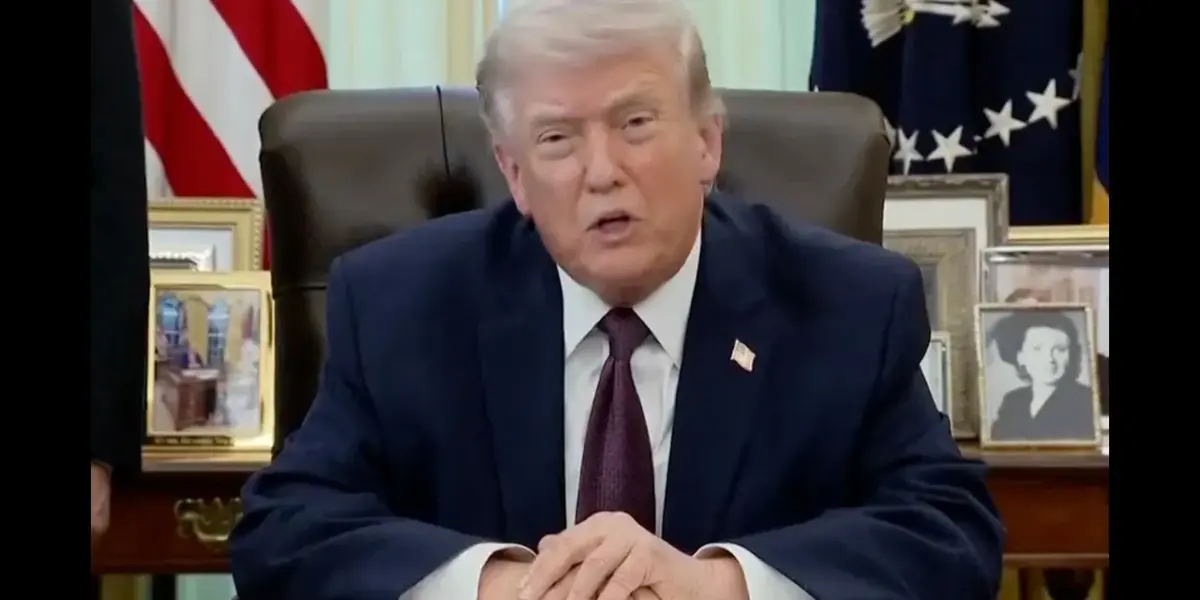
Trump’s Mail-In Ballot Ban Sparks Crisis
A recent announcement from Donald Trump regarding mail-in ballots has ignited serious concerns about the integrity of the voting process. Trump declared his intention to ban mail-in voting, a move described by legal experts as a direct attack on democracy and a violation of the U.S. Constitution. This action comes as the nation heads into critical elections, raising fears of widespread confusion and legal battles.
A Constitutional Crisis Unfolds
Legal analyst Mark Elias, speaking on Democracy Watch, characterized Trump’s announcement as a “constitutional crisis.” Elias explained that the former president is attempting to seize control of voting processes without the necessary constitutional authority. A federal court had previously ruled against such presidential interference in elections. Trump’s plan involves creating a personal list to decide who can and cannot vote by mail, and potentially taking over the U.S. Postal Service to enforce this ban.
“This is a massive attack on democracy. There’s no other way to describe it.”
Elias emphasized that this move directly contradicts established law and previous court rulings. He stated that Trump’s actions are a clear sign that the U.S. is in the midst of a constitutional crisis, one that is just beginning. The urgency of the situation was highlighted by the immediate legal action planned. Elias’s firm intended to file a federal court challenge in Washington D.C. as soon as the announcement was made.
The Legal Battle Ahead
The legal fight is expected to be complex and widespread. While Elias’s team aims to block the executive order at the federal level, the decentralized nature of U.S. elections presents significant challenges. Many states rely heavily on mail-in voting, with states like Utah and California conducting most elections by mail. Even Donald Trump himself votes by mail in Florida, a point of significant irony noted by observers.
The legality of Trump’s order is questionable, especially given the timing. Normally, major changes to voting procedures are restricted close to elections by laws like the Preventative Campaign Election Law (PCEL) to avoid confusion. However, with ballots already being printed and primaries underway, implementing such a ban would create chaos.
Hypocrisy and Political Strategy
The hypocrisy of Trump’s stance was a major talking point. He advocates for banning mail-in voting while personally benefiting from it. This inconsistency fuels concerns about his motives, which appear to be more about political strategy than genuine election integrity. Elias suggested that Trump might specifically target states like California, where he has a history of making false claims about election fraud, aiming to suppress votes and sow doubt.
The strategy involves not only legal challenges but also public awareness. Elias and the host, Brian Tyler Cohen, stressed the importance of staying informed through reliable sources like Democracy Docket, which Elias founded. They urged viewers to share information, subscribe to channels dedicated to defending democracy, and become active citizens. The fight, they argued, is not just in the courts but also in the court of public opinion.
A Divided Nation Faces Uncertainty
The situation is further complicated by the potential for Republican governors and local officials in some states to voluntarily comply with Trump’s directive, even if it’s deemed illegal. This could lead to a patchwork of voting rules across the country, making it difficult for voters to know how to cast their ballots. The legal battles are expected to be fought state by state, county by county, creating a protracted and exhausting process.
The administration of elections at the local level, a strength of the U.S. system, also becomes a weakness in this context. It means that blocking an order federally doesn’t automatically stop it from being implemented differently across various jurisdictions. Elias acknowledged that this requires constant vigilance and legal action across numerous fronts.
Historical Context and Future Outlook
This confrontation over voting methods is not new. Trump has a long history of questioning election results and making unsubstantiated claims of widespread fraud, particularly in California. These actions reflect a pattern of challenging democratic norms and institutions. The current executive order is seen as an escalation of these efforts.
The upcoming months are critical. The legal challenges will be intense, and the public’s engagement will be vital. Elias and Cohen emphasized that now is the time for citizens to stand up, get informed, and support efforts to protect voting rights. The future of fair and free elections may depend on the collective action taken in response to these challenges.
Why This Matters
This situation directly impacts the fundamental right to vote and the health of American democracy. If a president can unilaterally attempt to restrict voting methods based on unsubstantiated claims and personal directives, it undermines the electoral process. The legal battles highlight the fragility of democratic institutions and the constant need for vigilance. The outcome of these challenges will set precedents for future elections and could determine whether elections remain accessible and fair for all citizens.
Implications and Trends
The trend towards increased legal challenges surrounding election administration is likely to continue. The use of executive orders and the subsequent legal responses demonstrate a growing tension between executive power and established electoral laws. The involvement of organizations like Democracy Docket and legal experts like Mark Elias signifies a proactive defense of voting rights. However, the potential for state and local officials to defy federal rulings or legal challenges creates a complex and unpredictable environment.
Future Outlook
The immediate future involves intense legal scrutiny and public engagement. The strategy of fighting these actions in court, coupled with public education and advocacy, will be crucial. The long-term outlook depends on the courts’ interpretations of executive authority and election laws, as well as the public’s commitment to safeguarding the right to vote. The upcoming elections will be a major test of these democratic foundations.
Source: Trump gets BRUTAL news amid EMERGENCY announcement (YouTube)

Related Articles

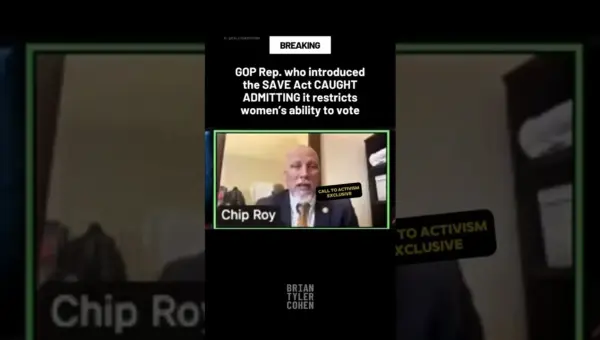
GOP Rep Admits Election Bill Could Hinder Women Voters
Representative Chip Roy's SAVE Act, aimed at election reform, faces scrutiny over potential barriers for married women voters. While the congressman claims no undue hardship, his own staff's experience highlights the complex process of updating IDs after name changes, raising concerns about voter accessibility.
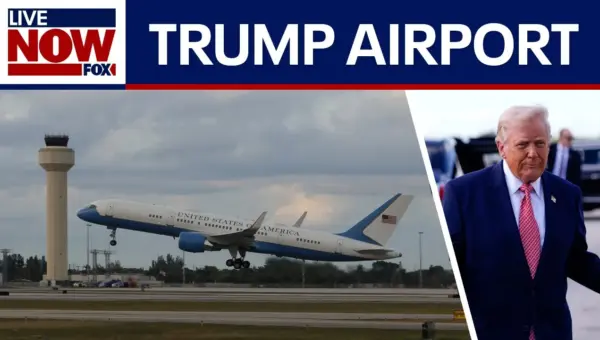
Palm Beach Airport Officially Renamed After Donald Trump
Palm Beach International Airport has officially been renamed President Donald Trump International Airport. The change, driven by Florida's Republican majority, has completed the legislative process but will take 18-24 months for full physical rebranding. Costs for signage and potential security increases are estimated to be several million dollars.

Trump’s Hormuz Gambit: A Risky Exit Strategy?
Donald Trump's recent statements suggest a potential U.S. withdrawal from operations in the Strait of Hormuz within weeks. This move raises concerns about global oil supplies and regional stability, especially as Iran continues to pose threats despite claims of its military weakness. The situation is further complicated by domestic controversies surrounding election integrity and the use of presidential powers.