Trump’s Legal Chess: Judge Cannon and Grand Jury Maneuvers Exposed
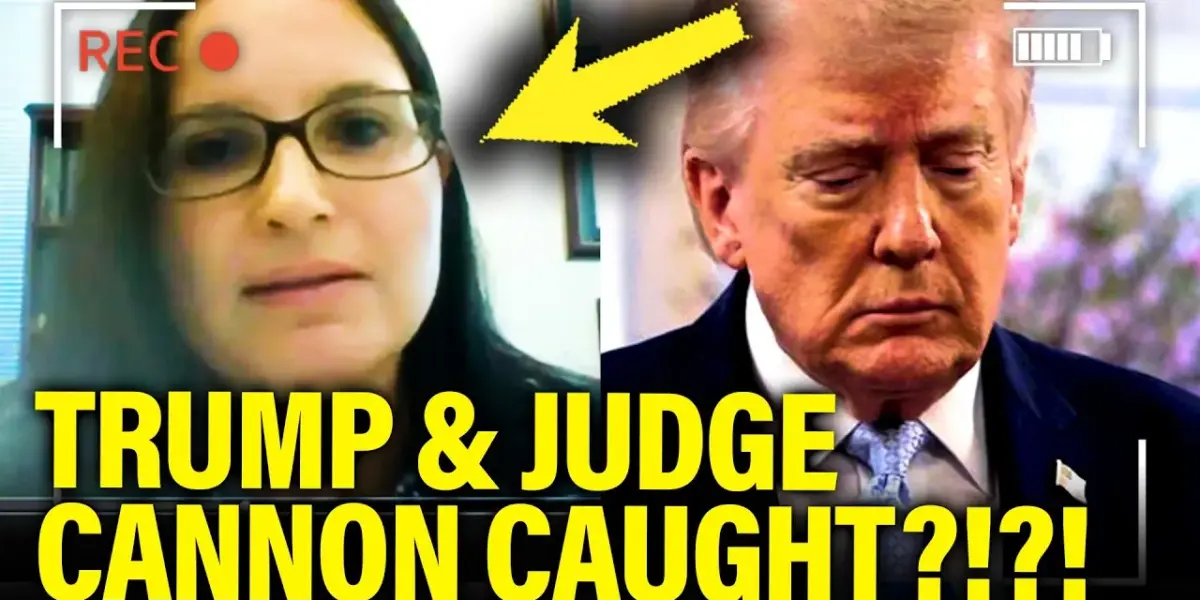
Donald Trump's legal team is reportedly using a grand jury in Florida, overseen by Judge Eileene Cannon, to pursue investigations that critics claim are politically motivated. This strategy involves issuing numerous subpoenas and selecting a specific judicial district, raising concerns about fairness and the proper use of legal processes.

Trump’s Legal Chess: Judge Cannon and Grand Jury Maneuvers Exposed
Donald Trump has a history of targeting those he sees as political opponents. His recent actions involve a grand jury proceeding overseen by Judge Eileene Cannon, a judge he appears to favor. This situation raises questions about fairness and the use of legal processes.
The Southern District of Florida, specifically the Fort Pierce division, has become a focal point. US Attorney Jason Reading Kenyoness, based in Miami, has been traveling about 90 miles north to this division. The purpose seems to be to specifically select Judge Cannon for grand jury proceedings. This practice is known as forum shopping, where lawyers try to get their case heard by a judge they believe will be favorable to them.
A Pattern of Legal Battles
This grand jury action echoes a previous civil lawsuit Trump filed against many of the same individuals and groups. In that suit, he claimed a conspiracy was formed to bring him down. He argued that the Steele Dossier, created by a researcher whose work is now considered unreliable, was improperly used by the CIA and FBI. He alleged this violated his civil rights, despite winning the 2016 election.
That civil case was dismissed by Judge Middbrooks, who called it a “political screed masquerading as a lawsuit.” Now, with Trump back in power, many of his former criminal defense lawyers have joined the Department of Justice. This means taxpayers are now funding the legal defense of former President Trump, as these lawyers are working for the government agency investigating him.
Subpoenas and Strategic Moves
Currently, around 130 subpoenas have been issued. These include requests for testimony from prominent figures like former FBI Director James Comey and former CIA Director John Brennan. Judges typically do not get involved in grand jury proceedings unless a motion is filed, such as a request to quash a subpoena. Judge Cannon is currently on the sidelines, awaiting such a motion.
For individuals like Comey and Brennan, the advice might be to consider invoking their Fifth Amendment right against self-incrimination. Comey, in particular, faced a prior investigation for allegedly lying to Congress. The concern is that testifying could inadvertently lead to self-incrimination, especially given the history of investigations and political scrutiny.
Concerns Over Fairness and Forum Shopping
The decision to pursue this case in the Fort Pierce division, rather than the more central Miami division of the Southern District of Florida, is a significant point of discussion. Critics argue that if the case had strong merit, it would be handled by one of the many experienced judges in Miami. The choice to go to Fort Pierce suggests an effort to find a judge perceived as more sympathetic.
Judge Cannon has previously made rulings that have drawn attention. She once declared, for the first time in 200 years, that a special counsel appointed by the Attorney General was improperly appointed because the appointment was not confirmed by the US Senate. This ruling, though later mooted by Trump regaining power and his Justice Department taking over the case, set a notable precedent. It is important to note that special counsels appointed in past administrations, including Watergate, did not undergo Senate confirmation.
The Statute of Limitations Question
A key legal challenge in cases like this is the statute of limitations, which sets a deadline for bringing charges. For many crimes, this is five years from when the offense occurred. However, prosecutors may argue that a continuing conspiracy extends the timeline. They might claim the conspiracy continued into 2021, thus restarting the statute of limitations clock.
This argument is often used when the alleged original crimes are too old to prosecute. The idea is that the cover-up of the conspiracy extended the criminal activity into a more recent period. This allows prosecutors to pursue charges that would otherwise be time-barred.
Why This Matters
The fairness and integrity of the justice system are at stake. When legal proceedings appear to be used for political retribution or when there are questions about forum shopping and judge selection, public trust can erode. This situation highlights the importance of an independent judiciary and a Department of Justice that operates without political influence.
The public’s perception of justice depends on the belief that legal processes are applied equally and impartially. The current actions, involving the selection of specific judges and prosecutors, and the issuance of numerous subpoenas, raise concerns about whether this standard is being met. It is crucial for the public to be aware of these dynamics to understand the broader implications for the rule of law.
Implications, Trends, and Future Outlook
This case is part of a larger trend where legal battles become highly politicized. The use of grand juries and subpoenas can be powerful tools, but when they are perceived as being wielded for partisan purposes, it creates significant challenges for the justice system. The trend of former legal officials joining the government to handle cases involving their former clients or political allies is also a growing concern.
Moving forward, the outcome of these proceedings could set important precedents. If Judge Cannon allows these subpoenas to stand or makes rulings perceived as favorable to Trump, it could embolden similar tactics in other cases. Conversely, if she or higher courts push back against perceived abuses of process, it could reinforce the boundaries of legal conduct.
The public discourse surrounding these events is also important. Transparency and open discussion, like that found on platforms such as Legal AF and the Midas Touch Network, help to inform the public and hold legal actors accountable. Continued scrutiny and reporting are vital to ensuring that the justice system operates fairly.
Historical Context and Background
The use of grand juries is a long-standing part of the American legal system, designed to ensure that there is sufficient evidence before a formal charge is brought. However, their power has also been a subject of debate, particularly when they are seen as being used to investigate political opponents.
The concept of forum shopping is not new, but its application in high-profile cases can draw significant attention. Similarly, the role of special counsels and the debate over their appointment and independence have been recurring themes in American legal and political history. The actions of Judge Cannon in past cases, particularly her ruling on special counsel appointments, provide a historical backdrop for her current involvement.
The 2016 election and the subsequent investigations into Russian interference have created a complex legal and political environment. Senate bipartisan committees have issued reports confirming Russian interference, adding a layer of official findings to the ongoing debates. Trump’s legal challenges often involve pushing back against these findings and the investigations that followed.
Source: Trump and Judge Cannon GRAND JURY SCHEME Gets BLOWN WIDE OPEN (YouTube)

Related Articles

Polls Spell Doom: Republicans Face Voter Backlash
New polling data reveals a sharp decline in public confidence regarding the economic impact of Republican policies, particularly under Donald Trump. A significant majority now feel financially worse off, a trend that is especially pronounced among independent voters. This economic discontent poses a major challenge for the Republican party heading into future elections.
Trump Delays Iran Strike Deadline Amidst Shifting Diplomacy
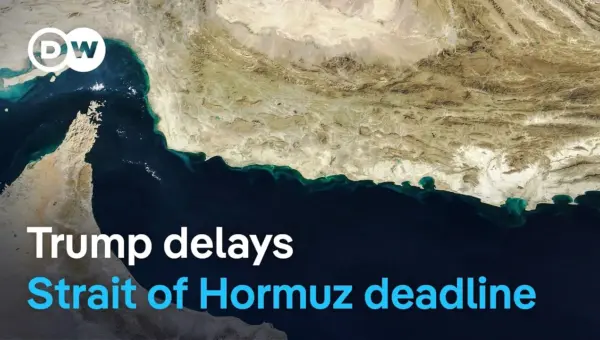
President Donald Trump has extended his deadline for potential strikes on Iranian energy plants to April 6th, amid reports of U.S.-Iran diplomatic talks mediated by Pakistan. This move comes as Israel continues its strikes on Iran and the U.S. deploys additional military assets to the region. Analysts point to mixed signals, economic pressures, and strategic miscalculations as key factors shaping the evolving situation.
Iran War Claims Ring Hollow as US Troops Injured in New Attack
Days after Donald Trump claimed "we've won" the war with Iran, a new attack injured approximately a dozen U.S. troops and damaged aircraft. This incident contradicts Trump's assertions of victory and raises serious questions about the strategy and reality of the ongoing conflict.