Trump’s Legal Battles Mount as Courts Rebuke Power Grabs
Multiple court rulings are pushing back against actions taken by the Trump administration, challenging what critics call attempts to consolidate power. Lawsuits highlight concerns over "loyalty tests" at the FBI and the use of legal actions as political retribution. Experts warn these practices undermine national security and constitutional norms.

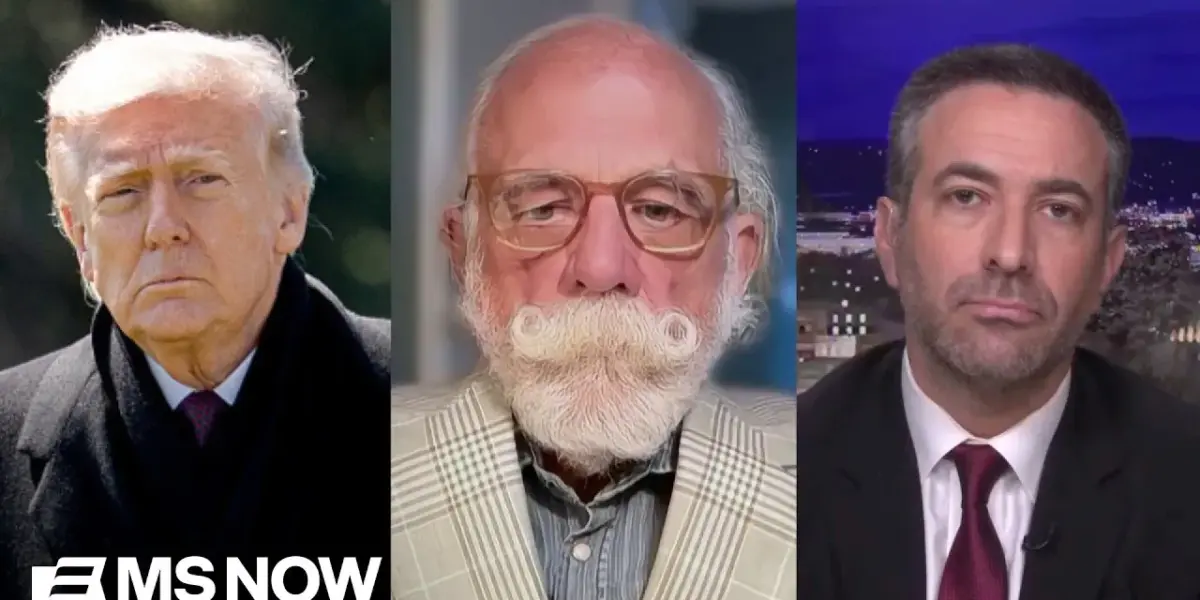
Courts Reject Trump Administration’s Actions
Former President Donald Trump faces a growing number of legal setbacks as courts across the nation push back against actions taken during his administration. These rulings highlight a pattern of challenging the limits of presidential power and, in some cases, appear to be attempts to consolidate authority through questionable means. Legal experts and former officials suggest these actions often overstep constitutional boundaries and can make the nation less secure.
DOJ Lawsuit Against Harvard Faces Scrutiny
The Department of Justice, under the Trump administration, initiated a lawsuit against Harvard University, alleging failure to address anti-Semitism on campus. However, this move has been met with skepticism. A judge previously blocked a similar effort to defund the university, and critics question the DOJ’s motives. Some argue that the anti-Semitism issue is being used as a pretext to target the university financially. This legal action follows a pattern where the Trump administration has been accused of not prioritizing civil rights protections.
Attacks on Institutions and Individuals
Beyond the Harvard case, the Trump administration has been involved in several other contentious legal and administrative actions. The DOJ has subpoenaed former FBI Director James Comey multiple times, an effort Trump himself has hinted is part of an “enemies list.” These actions come despite previous court defeats, including the failure of attempts to use “harassment subpoenas” against figures like former Federal Reserve Chair Jerome Powell.
Trump’s own words suggest a belief in increased power, stating, “I HAVE MUCH MORE POWER IN MY SECOND TERM, DON’T YOU THINK?” However, former White House attorney Ty Cobb disagrees, explaining that Trump’s constitutional power has not increased. “He feels more powerful, but he truthfully doesn’t have any more power,” Cobb stated. “The Constitution limits presidential power to the extent that Congress has a spine and if the courts can enforce it.” Despite this, Cobb notes Trump is “certainly exercising his power in a way that makes him seem as though he can get away with anything.”
Media Censorship and Employee Reinstatement
Concerns have also been raised about efforts to control independent reporting. FCC Chair Carr has pursued actions that some describe as unconstitutional attempts to censor and pressure independent war reporting by the media. This is related to executive orders concerning broadcast competition.
In a separate development, a judge ordered that laid-off employees from the Voice of America (VOA) under the Trump administration must be reinstated to their positions. This ruling comes as courts increasingly reject what are described as “illegal fascist attempts to assume all power.”
Pentagon Policy and FBI Loyalty Tests
The Pentagon’s press policy was also deemed unconstitutional by a judge, leading to the reinstatement of certain press credentials that had been revoked under Trump’s directive. Furthermore, former FBI agents are suing, alleging that Donald Trump’s administration imposed “loyalty tests” that involved political retribution. These lawsuits claim that perceived a lack of political support for Trump became an improper basis for employment decisions.
“Loyalty to Trump should not be a litmus test for employment,” stated one legal expert, highlighting the concern that political affiliation, rather than qualification, was being prioritized. This approach, critics argue, compromises national security.
Legal Scholar Explains “MAGA Tests”
Legal scholar and former DOJ official, speaking on the lawsuits concerning “MAGA tests,” explained the historical context. “There is a presumption in the United States has historically been that due process would prevent the kind of political escapades that Trump has, where he retaliates against anybody who is not a vocal supporter,” they said. This is contrasted with the idea that patriotism should not be tied to political support.
The expert pointed to cases where seasoned FBI agents were allegedly fired simply for being involved in investigations against Trump, including those related to January 6th. “Trump’s level of corruption, constitutional abuses is such that it’s really unprecedented,” the scholar added. They warned that such actions make the country “substantially less safe in the areas of terrorism and violent crime.”
Questionable Firings and National Security Risks
The lawsuit from former DOJ employees asserts that political support for Trump was an “impermissible basis for termination.” This echoes concerns raised by former FBI agents who believe their careers were impacted by their political leanings rather than their professional performance. The scholar cited an instance where, prior to the war in Iran, every Iranian counterterrorism expert at the FBI was reportedly fired. “How safe does that make America? It’s ridiculous what’s going on and it’s not American,” the expert lamented.
Powell Subpoena and Judicial Defiance
The case involving former Federal Reserve Chair Jerome Powell also illustrates a pattern of legal challenges. Trump has repeatedly made comments about Powell, suggesting he is under investigation and incompetent. However, court rulings have quashed subpoenas related to Powell, finding no evidence to justify them. Judge Bozberg specifically found that the government “had not given a scintilla of evidence that justified mere grand jury subpoenas.”
Despite such rulings, there are accusations that the DOJ has defied court orders. A 361-page report details instances where “they just lied to the courts, and they defy rulings.” The attempt to intimidate Powell regarding interest rates was deemed “illegal, improper, unconstitutional” by Judge Bozberg.
Broader Rejection of Authoritarianism
The legal battles highlight a broader trend: courts are increasingly rejecting what are perceived as attempts to undermine democratic norms and consolidate power. From the Pentagon’s press policy to the DOJ’s actions against universities and individuals, the judiciary appears to be acting as a check on executive overreach.
“Courts throughout the country are now rejecting Trump’s illegal fascist attempts to assume all power,” one commentator stated. “They’re rejecting it. They’re making it very plain that the Constitution doesn’t permit this kind of authoritarianism.” The hope from some legal observers is that Congress will eventually step in to reverse these trends, lest the country head towards an irreversible decline.
Source: Losing & lost it: Trump's court defeat, 'power grab' rebuked by WH vet (YouTube)

Related Articles
Congress Splits, DHS Funding Stalls Amid Border Dispute
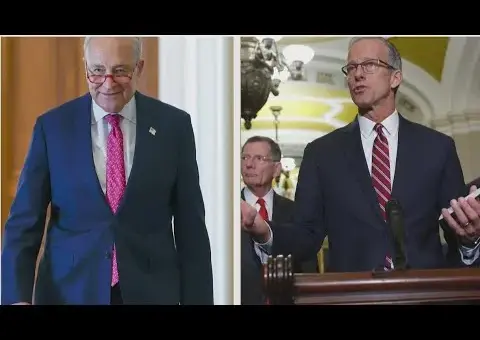
The U.S. House of Representatives passed a bill to fund the Department of Homeland Security (DHS) for eight weeks, but a deep disagreement with the Senate means the shutdown continues. TSA agents will receive paychecks soon, but other DHS agencies remain unfunded. The dispute centers on border security policy.

CPAC Crowd Cheers Impeachment, Stuns Trump Allies
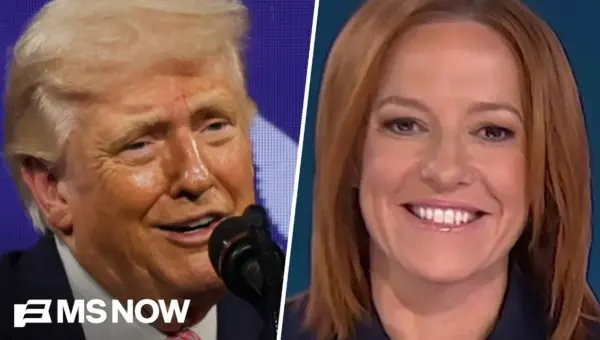
At the recent CPAC conference in Texas, attendees surprised many by cheering for impeachment hearings, signaling potential divisions within the conservative base. The event also highlighted voter frustration over issues like ongoing wars and affordability, with some considering not voting.

Iran Hacks FBI Chief, Exposing U.S. Cyber Vulnerabilities
A recent hack of FBI Director Kash Patel's personal email by an Iran-linked group highlights Iran's growing cyber threat to the U.S. Experts explain how simple security oversights are exploited, emphasizing the need for basic defenses like two-factor authentication to protect against propaganda and potential infrastructure attacks.