Trump’s Leadership: A Moral Compass Gone Astray?
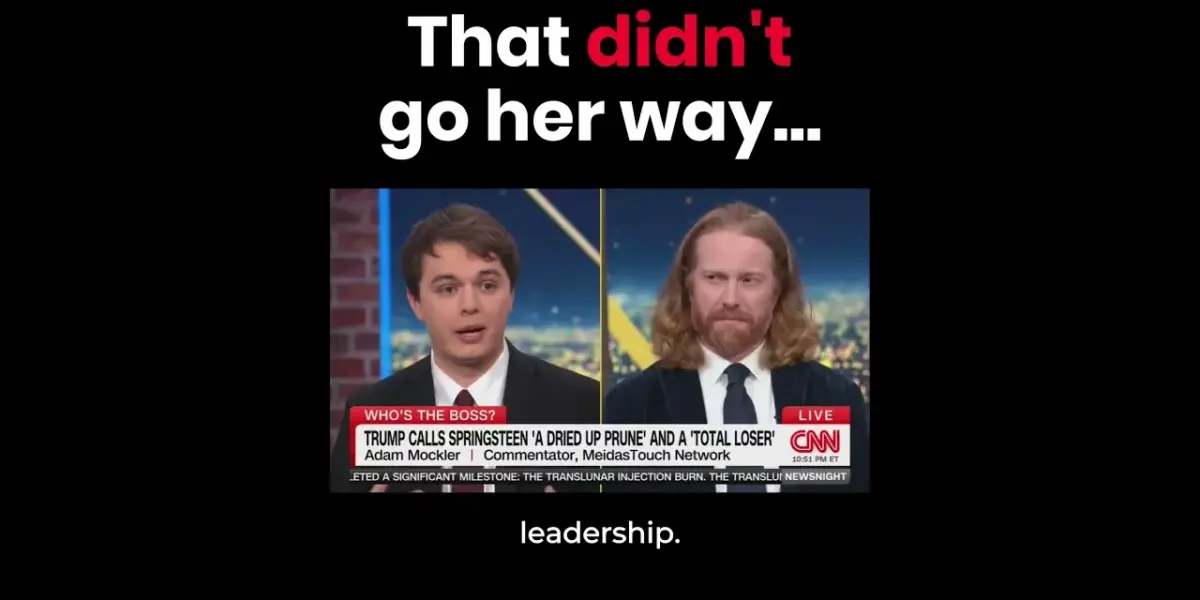
Former President Donald Trump's public behavior, including attacks on celebrities and reactions to deaths, raises concerns about moral leadership. Critics argue this sets a poor example for young people seeking guidance. The contrast with past leaders highlights a debate on expected conduct in politics.

Trump’s Leadership: A Moral Compass Gone Astray?
The actions and words of political leaders can shape how people see the world and what they value. Recently, criticism has focused on former President Donald Trump’s behavior, particularly his public reactions to the deaths of perceived rivals or critics. This has raised questions about the kind of lessons young people learn from those in power.
Attacking Celebrities, Celebrating Deaths
One common observation is that President Trump often spends significant time attacking celebrities. This focus on public figures, rather than on governing, has been called out. More concerning to some is how he has reacted to the deaths of individuals he may have disagreed with. For example, he was described as having “danced on Rob Reiner’s grave” and celebrated when someone named Müller died. This kind of behavior is seen by critics as morally inferior and deeply upsetting.
For young people, looking to leaders for moral guidance is important. They want to see examples of good character and learn valuable life lessons. However, when leaders act in ways that seem mean-spirited or celebratory of others’ misfortune, it sends a confusing message. It becomes difficult for younger generations to find positive role models in politics.
What Lessons Are We Learning?
The question arises: what lessons are we supposed to take from leaders like Donald Trump? If the advice is to “don’t look to DC for moral clarity,” then what is the alternative? Some suggest looking at past leaders like Barack Obama. People felt they could learn patience and gratitude from him.
In contrast, the lessons observed from Donald Trump’s approach seem to be different. The advice might be to “bully everyone around you,” “isolate your allies,” and “be an absolute to anyone who interacts with you.” These are not behaviors that most would consider positive or admirable. It leaves one wondering what the intended takeaway is from such a leadership style.
Historical Context of Leadership and Morality
Throughout history, leaders have been expected to embody certain moral qualities. Thinkers and citizens alike have looked to those in power for examples of integrity, courage, and compassion. From ancient philosophers to modern political scientists, the idea of a leader as a moral guide is a recurring theme. This expectation isn’t new; it’s a long-standing part of how societies evaluate their leaders.
However, the nature of political discourse has changed. The rise of social media and 24/7 news cycles means that leaders’ every word and action are scrutinized instantly. This can amplify both positive and negative behaviors. Sometimes, a leader’s raw, unfiltered reactions, like those attributed to Trump, gain widespread attention, overshadowing more traditional expectations of presidential conduct.
Why This Matters
The way leaders behave has a ripple effect. It influences public opinion, shapes cultural norms, and, crucially, teaches younger generations about acceptable conduct. When leaders engage in public feuds or celebrate the downfall of others, it can normalize such behavior. This can lead to a more divided and less empathetic society. For young people searching for moral direction, this can be particularly damaging, as it blurs the lines between right and wrong.
Trends and Future Outlook
The trend toward more combative and personality-driven politics is noticeable. Leaders who use strong, often aggressive language, and who are unafraid to attack opponents publicly, can gain a following. This style can be seen as authentic by some, while others view it as a sign of declining civility. The future may see a continued debate about whether leadership should prioritize strong rhetoric and a fighting spirit, or a more measured and unifying approach.
The expectation of moral leadership is a core component of democratic societies. How this expectation evolves in the face of new communication styles and political tactics will be important. Will future leaders be expected to be more like Obama, offering lessons in patience and gratitude? Or will the Trump model, with its focus on conflict and personal attacks, become more common? The answer will shape the kind of society we become and the values we pass on.
Source: Trump is a terrible leader #new #fyp (YouTube)

Related Articles
Iran Downs US Jet; Trump Vows No Impact on Talks
An American F-15 fighter jet was shot down in Iranian airspace, leading to a search for a missing pilot. Despite the escalation, President Trump stated the incident won't affect Iran negotiations, while military experts question U.S. air dominance claims.

Bondi’s Testimony: Jail Time or Truth?
Pam Bondi faces a critical decision regarding her testimony about Donald Trump. She could face contempt charges if she lies or obstructs, but telling the truth could help investigators and survivors find justice.

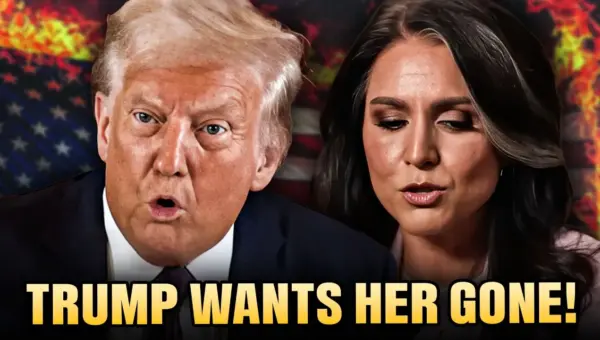
Trump’s Firing Spree: Is Tulsi Gabbard Next?
Reports suggest Director of National Intelligence Tulsi Gabbard may be the next high-profile official fired by Donald Trump. This potential dismissal is reportedly linked to Gabbard's skepticism regarding U.S. policy on Iran and her stance against interventionism. The situation highlights a perceived pattern of Trump replacing women in his administration with men, sparking debate about his personnel decisions.