Trump’s Lavish Ballroom Project Masks Deeper Issues
While the Trump administration reportedly considered healthcare cuts for military funding, President Trump focused on showcasing plans for a new White House ballroom. This disconnect raises questions about leadership priorities and the administration's engagement with pressing national issues and the needs of its citizens.

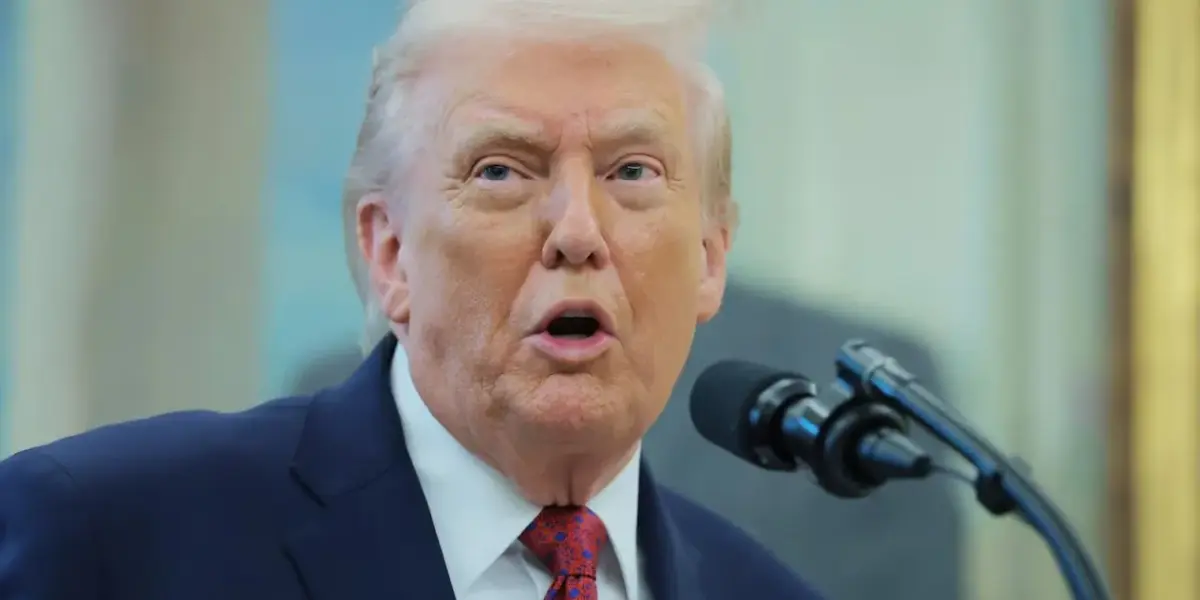
Trump’s Lavish Ballroom Project Masks Deeper Issues
While the Trump administration was reportedly considering cuts to healthcare to fund military operations, President Trump himself was showcasing plans for a new, elaborate ballroom at the White House. This focus on a grand construction project, while major policy decisions loom, raises questions about priorities and the administration’s engagement with pressing national concerns.
A Tale of Two Priorities: Ballroom vs. Budget
Reports emerged suggesting that Republicans were exploring the idea of reducing healthcare spending to allocate an estimated $200 billion for military action, potentially involving Iran. However, instead of addressing these serious budget proposals, the White House press briefing focused on President Trump’s enthusiasm for a new, long-desired ballroom. The administration’s spokesperson stated they hadn’t heard of any high-level discussions regarding healthcare cuts, dismissing the reports as rumors fueled by media speculation.
“It’s not even worth commenting on because it’s not even being discussed at the White House. And this is sadly how rumors get started.”
This response suggests a deliberate effort to distance the administration from the healthcare cut idea, framing it as baseless gossip rather than a potential policy direction. The argument was made that funds for military operations could instead come from combating government fraud, a point echoed by Republican Jode Arrington, chairman of the House Budget Committee. He suggested that addressing fraud across various welfare programs, estimated at $1.5 trillion, could provide the necessary funds.
Focus Shifts to Lavish Construction
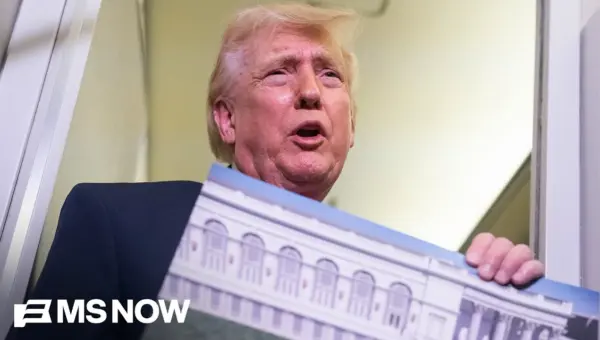
Meanwhile, President Trump proudly presented detailed architectural plans and images of the proposed White House ballroom. He emphasized its historical significance and the intricate craftsmanship involved, describing it as a project that would be a lasting legacy. This intense focus on the ballroom’s aesthetics and construction seemed to overshadow the more critical discussions about national spending and potential impacts on citizens’ healthcare access.
The construction project itself faced legal challenges. The National Trust for Historic Preservation filed a lawsuit, arguing that the administration bypassed required reviews before starting the massive undertaking. White House lawyers and the Secret Service countered, claiming that halting the project could jeopardize national security due to the modernization of sensitive bunker facilities.
A Pattern of Bypass and Claimed Urgency?
The author points to a recurring pattern in the administration’s actions: bypassing established procedures and then citing danger or national security as reasons not to stop. This was seen in the East Wing demolition, the implementation of tariffs, and the move towards potential conflict with Iran. The argument is that the administration often proceeds with actions first, then claims it’s too risky or harmful to reverse course, effectively limiting oversight and public debate.
The President’s Work Ethic: A Matter of Focus
The transcript touches on President Trump’s perceived work ethic, with allies often highlighting his dedication and long hours. The author acknowledges this energy but questions its application. Instead of focusing on pressing issues like rising costs for Americans – gas, groceries, rent, and healthcare – the president’s time and energy are directed towards projects like the ballroom and other personal endeavors. The author suggests that while the president may work hard, his priorities appear to be self-focused rather than centered on the welfare of the average citizen.
“Donald Trump’s top priority is himself.”
This sentiment is further illustrated by the author’s hypothetical question about whether Trump would ever prioritize showcasing efforts to bring justice to victims of figures like Epstein. The implication is that such a focus on public service and justice is unlikely, given the perceived self-interest driving the president’s actions.
Why This Matters
The disconnect between the administration’s reported budget considerations and the president’s public focus on a lavish construction project highlights a potential misallocation of attention and resources. When a nation faces complex challenges like potential military conflict and rising costs for its citizens, the priorities of its leaders are under intense scrutiny. The author argues that the administration’s approach, characterized by bypassing normal processes and focusing on personal or symbolic projects, can undermine public trust and distract from crucial policy debates that directly affect the lives of millions.
Implications and Future Outlook
This situation raises concerns about transparency and accountability in government. The emphasis on a grand ballroom, while potentially significant for presidential legacy, can appear tone-deaf when juxtaposed with reports of potential cuts to essential services like healthcare. It suggests a political strategy that prioritizes image and personal projects over the immediate needs and concerns of the broader population. The author’s concluding thoughts on power dynamics and the need for effective leadership in a post-Trump era underscore the lasting impact of such approaches on governance and public policy.
Source: Trump pulls INSANE new stunt, SCREWS his party for midterms | Another Day (YouTube)

Related Articles

Protests Against Trump Draw Diverse Crowd, Including Voters
Nationwide 'No Kings' protests targeted President Trump directly, drawing a diverse crowd including former supporters. The movement, fueled by a sense of civic duty and disillusionment, saw participation across all age groups. The protests highlight a unique shift in American dissent, focusing on an individual rather than specific policies.
Trump’s White House Ballroom: A Golden Elephant in the Room?
President Trump faces backlash for prioritizing a lavish White House ballroom expansion amid soaring gas prices and economic hardship for Americans. Critics question the project's funding, legal basis, and the administration's priorities while families struggle to afford basic needs.


Young MAGA Voters Question Trump on Iran War Ahead of Midterms
Young MAGA voters are expressing growing disillusionment with President Trump over his administration's approach to a potential Iran war. Concerns about broken promises and a lack of clear objectives are creating a generational divide within the GOP, potentially impacting future elections.