Trump’s Jesus Post Sparks Outrage, Iran Tensions Rise
Donald Trump deleted a controversial 'Jesus' post amid backlash, while a US naval blockade of the Strait of Hormuz escalates tensions with Iran and China. Meanwhile, Hungary sees a change in leadership, ousting a pro-Putin prime minister.


Trump’s Jesus Post Sparks Outrage, Iran Tensions Rise
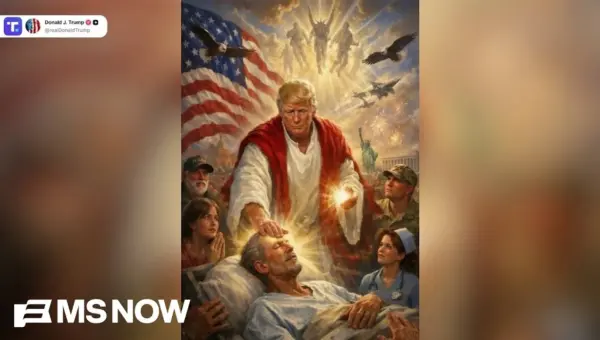
Former President Donald Trump has deleted a controversial social media post where he depicted himself as Jesus Christ. This action followed strong criticism, even from many of his own supporters. The image appeared shortly after Trump made repeated criticisms of the Pope. The Pope, when questioned by reporters, addressed Trump’s comments. He stated, “I have no fear of the Trump administration or speaking out loudly of the message of the gospel, which is what I believe I am here to do, what the church is here to do. We are not politicians. We don’t deal with foreign policy with the same perspective he might understand it. But I do believe in the message of the gospel as a peacemaker.”
Legal Battles Continue
In a separate legal development, a federal judge has thrown out Donald Trump’s lawsuit against The Wall Street Journal. The suit claimed defamation over a story about a birthday card Trump allegedly wrote to Jeffrey Epstein. The judge ruled that Trump did not prove the newspaper acted with actual malice. This means Trump could potentially file the lawsuit again later, as it was dismissed without prejudice.
Strait of Hormuz Blockade Escalates Tensions
The US has officially started a naval blockade of the Strait of Hormuz. Sixteen warships are reportedly in position. However, NATO allies have stated they will not join this operation. They prefer to find diplomatic, non-military solutions to ensure the strait remains open. Iran has responded with threats against ports in the Gulf region. They warned that if Iran’s own ports are threatened, no port in the Gulf will be safe.
Global Reactions to Blockade
China has also issued a warning to the United States regarding the naval blockade. The country intends to continue its trade agreements with Iran. China plans to keep moving ships in and out of the Strait of Hormuz. It remains unclear how the US will respond to this direct challenge. Meanwhile, Israeli Prime Minister Benjamin Netanyahu has cautioned that a ceasefire with Iran might not last. He warned it could end very quickly.
Hungary Ousts Pro-Putin Leader
In Hungary, celebrations are underway following the removal of Prime Minister Viktor Orban. Orban was seen as aligned with both Russian President Putin and Trump’s MAGA movement. Peter Madar, the new incoming Hungarian prime minister, held his first press conference. He explained the change in how press conferences will operate. Madar stated, “formerly press conferences worked in a way that the propaganda media asked questions that were written for them by the government. We will now give the floor to those Hungarian outlets who are still independent.” This marks a significant shift in Hungarian media policy.
Why This Matters
These events highlight several critical global trends and potential future conflicts. Trump’s depiction of himself as a religious figure, even briefly, shows a continued willingness to use provocative imagery. The backlash suggests a limit to this strategy, even among his supporters. The Pope’s measured but firm response underscores the ongoing tension between secular political power and religious authority.
The situation in the Strait of Hormuz is particularly concerning. A US naval blockade, without broad international support from allies like NATO, could lead to dangerous escalation. Iran’s threats and China’s defiant stance indicate a potential confrontation between major global powers. This could disrupt global oil supplies and international trade routes, impacting economies worldwide. The US’s willingness to act unilaterally in such a strategic waterway is a significant geopolitical development.
The change in leadership in Hungary is also noteworthy. The ousting of a leader aligned with authoritarian figures like Putin signals a potential shift in Eastern European politics. The new government’s commitment to independent media is a positive sign for democratic principles in the region. However, the broader implications for Hungary’s relationship with Russia and China are yet to be seen.
Historical Context
The Strait of Hormuz has long been a critical chokepoint for global oil transport. For decades, international powers have worked to keep it open. The US has often played a leading role in ensuring freedom of navigation. However, unilateral actions like this blockade carry risks. They can provoke strong reactions from regional powers and create instability, echoing past conflicts and near-misses in the region.
Donald Trump’s use of social media and his often controversial statements have been a hallmark of his political career. His past legal challenges and his relationships with figures like Jeffrey Epstein continue to be subjects of public and legal scrutiny. The dismissal of the defamation suit is another chapter in these ongoing legal battles.
Future Outlook
The coming days will be crucial in determining the outcome of the Strait of Hormuz situation. Will Iran retaliate militarily? Will China actively challenge the blockade? The US response to potential challenges will shape regional stability and international relations. The effectiveness of diplomatic efforts will be tested. In Hungary, the new government faces the challenge of consolidating power and implementing its reform agenda amidst regional uncertainties.
The intersection of political rhetoric, international security, and legal challenges continues to define the current global climate. The events of April 13th, 2026, serve as a stark reminder of the complex and often volatile nature of modern geopolitics.
Source: BREAKING NEWS UPDATES – 4/13/26 – 12:37pm ET (YouTube)

Related Articles
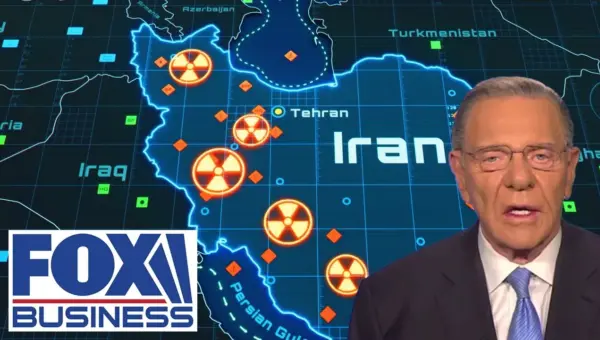
Iran Oil Blockade Hits Exports, Negotiations Stall
The U.S. has implemented a blockade halting Iran's oil exports, significantly impacting its revenue. Negotiations have collapsed, and Iran faces limited options. This geopolitical move could lead to market volatility, particularly in oil prices.
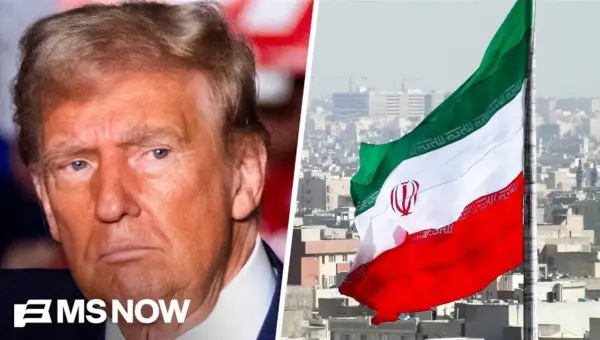
Trump Signals Indifference to High Gas Prices, Critics Warn
President Trump has declared indifference to the outcome of Iran peace talks and potential impacts on gas prices, drawing sharp criticism. Analysts view his stance as a strategic "game of chicken," while critics like Eddie Glaude call it an "eat cake" moment for ordinary Americans facing economic hardship. Concerns are rising about potential escalation and a lack of accountability.

Trump Sparks Outrage With AI Image, Attacks Pope Francis
Former President Donald Trump sparked controversy by sharing an AI-generated image resembling religious iconography and criticizing Pope Francis. Experts discussed the potential impact on Catholic and Latino voters, highlighting Pope Francis's high approval ratings and focus on social justice.