Trump’s Jesus Post Sparks Outrage, Divides Supporters
Donald Trump's sharing of an AI-generated image depicting him as Jesus Christ has ignited widespread controversy. The image, which shows him healing a sick man resembling Jeffrey Epstein, has drawn sharp criticism from various quarters, including some of his own supporters, who label it blasphemous and a sign of extreme narcissism. The incident raises questions about political discourse and the blurring lines between faith and political devotion.

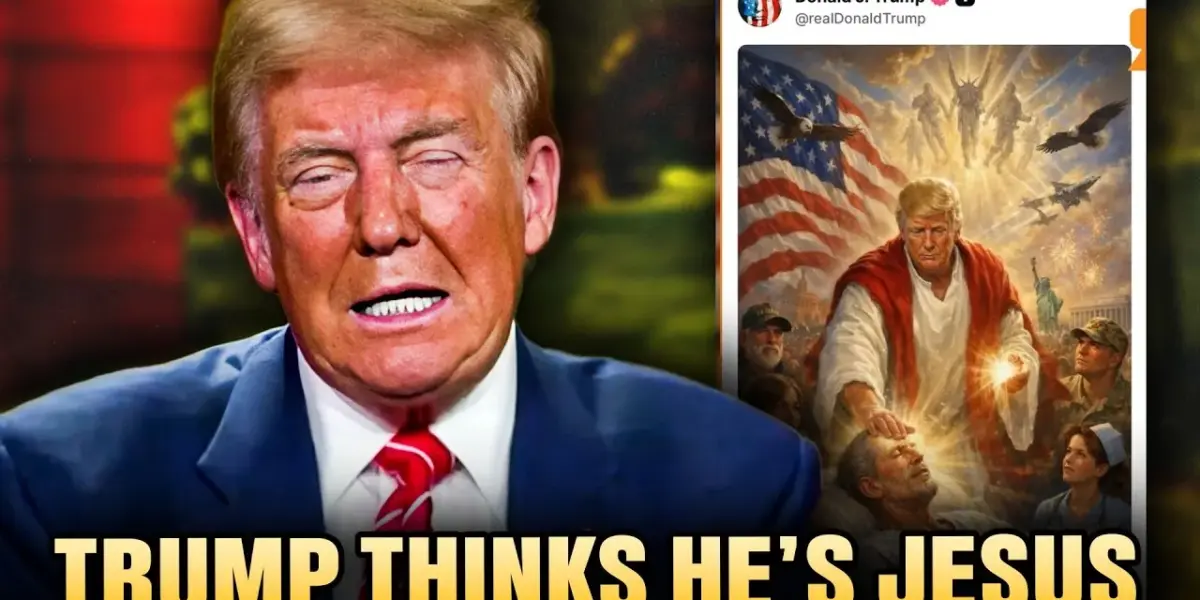
Trump’s Jesus Image Sparks Outrage, Divides Supporters
Donald Trump recently shared an AI-generated image on his social media platform, Truth Social. The picture showed him depicted as Jesus Christ, performing a healing. In the image, Trump, dressed in robes, is shown touching a sick man in a hospital bed. A nurse, a soldier, and other people are nearby. Angels appear in the background, and a figure resembling a demon floats in the sky.
The man being healed in the picture looks strikingly like Jeffrey Epstein, a financier who died in jail while awaiting trial on sex trafficking charges. This imagery has been called blasphemous and sacrilegious by many. The post came just a week after Easter, adding to the controversy for some.
Calls for Condemnation and Removal
The creator of the video argued that religious leaders and Christians everywhere should condemn this act. They believe it’s a serious issue that goes beyond typical political controversy. The argument is that such a depiction is not something a sane world leader would do. The speaker suggested that if another prominent figure, like Vladimir Putin or Joe Biden, had done something similar, the reaction in the United States would be far more severe, possibly even leading to calls for war or impeachment hearings.
The video’s creator strongly suggested this image represents a moment where the 25th Amendment, which deals with presidential disability, should be considered. They feel this cannot be ignored or dismissed as just another instance of Trump being provocative. The speaker also stated that individuals who identify as Christian and wish to go to heaven should actively condemn the post. They believe that failing to speak out against it could have serious eternal consequences.
Supporters React with Mixed Feelings
Surprisingly, some within the MAGA movement have also spoken out against the image. The video acknowledges this, giving them credit for condemning it. However, it also criticizes them for supporting Trump for years without questioning his actions. Michael Nolles of The Daily Wire suggested Trump should delete the picture, stating it’s both spiritually and politically necessary. Riley Gaines questioned Trump’s motives for posting it, suggesting he might be seeking a reaction. She added that humility would serve him well and that, “God shall not be mocked.”
Other reactions from individuals associated with the MAGA movement were also noted. Mike Cernovich commented that the Pope has a political record, implying Trump’s post was different and that similar actions would not be tolerated from other religions. Tim Sharp felt the post went too far and crossed a line. Victor Neve called it blasphemy and urged the church to oppose it. Lauren Boebert expressed disapproval, saying, “I don’t like this.”
Historical Context and Criticism
The video’s creator pointed out that some MAGA supporters have previously created a golden statue of Trump, likening it to the biblical story of the golden calf. This is used to argue that the idea of Trump being a messianic figure isn’t new among his supporters. The argument is that many have been treating him as such for years, making his self-depiction as Jesus less surprising to those outside his core base. The creator suggests that those who are shocked by this post are either new to Trump’s movement or are part of what they call the “Trump cult.”
Why This Matters
This incident highlights the intense devotion some followers have towards Donald Trump, sometimes bordering on deification. It raises questions about the role of religious imagery in politics and the boundaries of acceptable political discourse. The varied reactions, even among his supporters, show a spectrum of how his actions are perceived. For critics, it’s a clear sign of extreme narcissism and a disregard for religious sanctity. For some supporters, it might be seen as a bold statement or a misunderstanding, while for others, it crosses a line they cannot accept.
Implications and Future Outlook
The sharing of such an image could further polarize political and religious communities. It may also influence how undecided voters view Trump, potentially alienating those who find the imagery offensive. For Trump’s campaign, it presents a challenge in managing his public image and avoiding controversies that could alienate potential voters or donors. The long-term impact depends on how widely this image is remembered and discussed in future political conversations. It also sets a precedent for the use of AI-generated imagery in political messaging, which could become more common.
This event brings to the forefront the complex relationship between faith, politics, and personality cults in modern society. It forces a conversation about where the line is drawn between strong political support and religious reverence. The debate over the image’s intent and impact will likely continue, reflecting deeper divisions within the American electorate.
Source: MAGA FREAKS OUT After Trump Calls Himself Jesus (YouTube)

Related Articles


Trump Discusses Tax Bill Savings with Supporters
Former President Donald Trump recently discussed the financial benefits of his tax legislation, calling it the "Great Big Beautiful Bill." He highlighted individual savings of $11,000 and emphasized that taxes on tips were eliminated. The conversation occurred during an informal interaction with supporters.
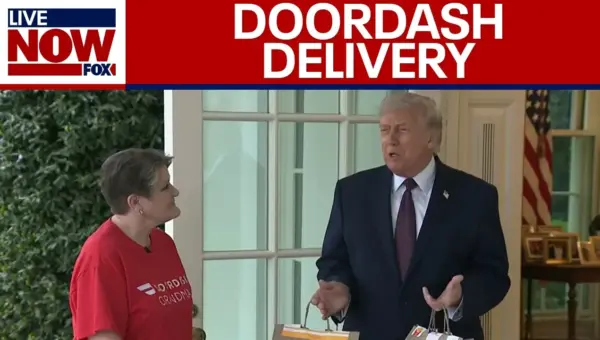
Trump Discusses Iran, Taxes, and More During Impromptu Presser
President Trump held an impromptu press conference while accepting a DoorDash order, discussing tax cuts on tips, international policy regarding Iran, and an upcoming UFC event at the White House. He highlighted economic benefits of tax legislation and reiterated his stance against Iran acquiring nuclear weapons.
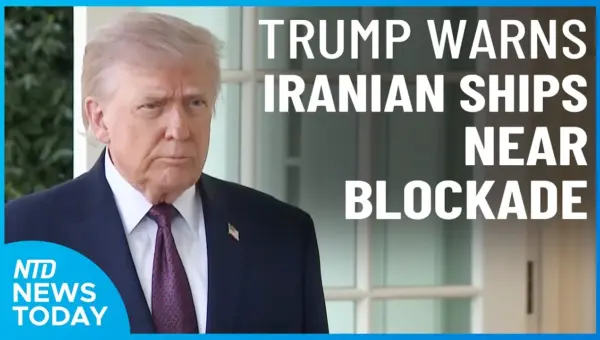
Trump Declares War: Iran Ships Face Deadly Force
President Donald Trump issued a severe warning, stating any Iranian ships nearing a U.S. blockade would be "immediately ELIMINATED." This aggressive stance follows reports of failed diplomatic talks and escalates existing maritime tensions. The situation highlights the volatile nature of U.S.-Iran relations and the potential for conflict.