Trump’s Jesus Meme and Bizarre Presser Raise Alarms
Donald Trump's deleted Jesus meme and a bizarre press conference held during a DoorDash delivery have sparked widespread concern and criticism. His explanations, public spats, and policy statements reveal a pattern of provocative behavior and conflicting rhetoric.

Trump’s Jesus Meme and Bizarre Presser Raise Alarms
A recent social media post by Donald Trump, depicting him as Jesus healing a patient, has sparked significant controversy and concern. The image, which was later deleted, showed Trump with a halo, appearing to heal a person while devils hovered behind them. This imagery quickly drew backlash, not only from the public but also from many of Trump’s own supporters. Many commenters expressed dismay, with some calling the post blasphemous and a sign of extreme ego. One supporter wrote, “Mr. President, with all due respect, take this down. You are not Jesus.” Another stated, “MAGA is dead. You think you’re God, but the truth is you’re possessed.” These reactions highlight a deep discomfort with the perceived messianic portrayal.
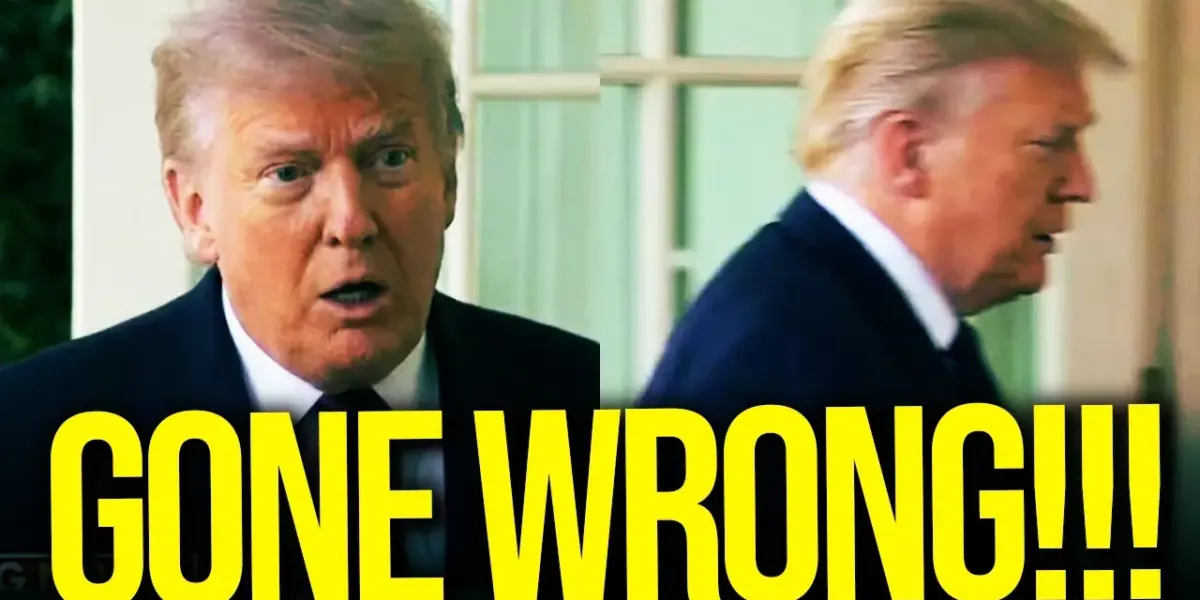
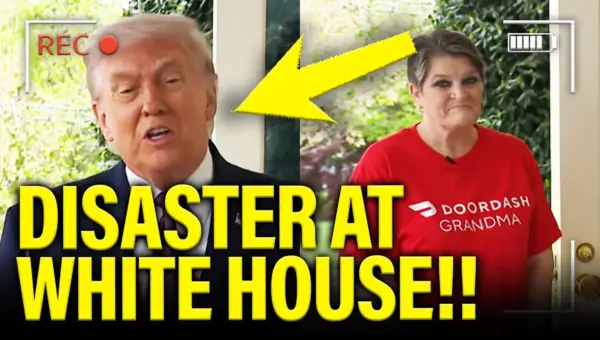
Adding to the unusual events, Trump later addressed questions about the post during a highly unconventional press conference. This impromptu session occurred on the White House lawn while he was accepting a DoorDash delivery of McDonald’s. Standing next to the delivery driver, Trump fielded questions on various topics, including the deleted meme. He claimed the image was meant to show him as a doctor for the Red Cross, making people better. “Only the fake news could come up with that one,” he stated, dismissing the Jesus comparison.
Conflicting Explanations and Public Reaction
The explanation offered by Trump as a “doctor for the Red Cross” was met with immediate skepticism. Critics pointed out the clear visual cues in the meme, such as the halo and the light in his palm, which strongly resembled traditional depictions of Jesus performing miracles. The attempt to reframe the image as a simple act of charity was seen by many as a disingenuous attempt to backtrack after facing criticism. The discrepancy between the widely interpreted image and Trump’s explanation fueled further debate about his judgment and communication style.
The incident also brought renewed calls for Trump to undergo a cognitive assessment. Critics argued that such a post, regardless of intent, demonstrated poor judgment and a disconnect from public perception. They suggested that a real medical professional, not one chosen by him, should evaluate his mental state. The controversy surrounding the meme and the unusual press conference setting underscored a growing concern among some about the stability and appropriateness of his public actions.
Navigating International Relations and Domestic Issues
Beyond the meme controversy, the press conference touched upon foreign policy and domestic issues, revealing further inconsistencies and combative rhetoric. When questioned about Iran, Trump offered conflicting statements. He claimed Iran was “begging for a deal” while also stating they needed to take negotiations more seriously. He also asserted that the U.S. does not need the Strait of Hormuz for oil and gas, despite the widely understood impact of its closure on global energy prices.
“We don’t use this trade. We don’t need the straight. We have our own oil and gas,” Trump said. This statement contradicted the reality that blockading the strait, as the U.S. was doing, directly impacts global shipping and prices. Critics argued this demonstrated a lack of understanding of international economics or a deliberate attempt to mislead. The situation in the Strait of Hormuz, a vital shipping lane, has been a point of tension, and Trump’s administration had previously announced a plan to form a coalition to ensure its security.
Clash with the Pope and Culture War Tactics
The press conference also included a notable exchange regarding Pope Francis. When asked if he would apologize to the Pope for previous critical remarks, Trump refused. He stated the Pope had said things that were “wrong” and called him “very weak on crime.” This public disagreement with a major religious figure was seen by many as petty and inappropriate for a head of state. The Pope, in turn, had previously urged leaders to fight wars in a “just way,” a statement made after reports of civilian casualties in a conflict.
In a particularly striking moment, Trump turned to the DoorDash driver and asked if men should play in women’s sports. The driver, focused on the tax on tips, politely stated she had no opinion. Trump persisted, implying he believed she did. This tactic, bringing up divisive culture war issues with an unsuspecting individual, was seen as a way to rally his base and distract from other controversies. It highlighted a pattern of using social issues to frame political debates, often to the discomfort of those drawn into them.
Why This Matters
This series of events—the provocative meme, the bizarre press conference, the conflicting foreign policy statements, the spat with the Pope, and the culture war gambit—raises significant questions about leadership, judgment, and the nature of political communication. The reliance on social media for controversial statements, followed by often unconvincing explanations, creates an environment of instability and distrust. The use of public platforms to engage in personal disputes, whether with religious leaders or the press, further erodes the dignity of the office.
Furthermore, the disconnect between Trump’s pronouncements on international affairs and the realities of global economics and diplomacy can have serious consequences. Similarly, the focus on divisive social issues, while potentially energizing for some, can alienate broader segments of the population and distract from pressing national concerns. The events underscore a broader trend in politics where personal branding and attention-grabbing tactics often overshadow substantive policy and stable governance.
Looking Ahead
The future outlook suggests a continuation of this volatile communication style. The deleted Jesus meme, while extreme, fits a pattern of provocative imagery and rhetoric used to capture attention and define narratives. The unconventional press conference, blending personal errands with serious policy discussions, points to a blurring of lines between the personal and the political. As political discourse evolves, the impact of such actions on public perception, international relations, and domestic policy will remain a critical area to watch.
Source: Trump Deletes EVERYTHING then RUNS OFF! (YouTube)

Related Articles
Pope Challenges Trump’s Grip on Narrative
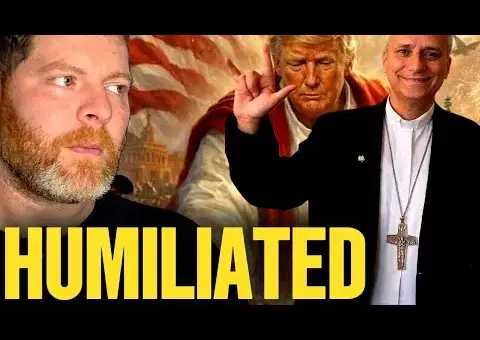
A surprising public confrontation has erupted between former U.S. President Donald Trump and Pope Francis. Trump's provocative social media posts and AI-generated religious imagery clashed with the Pope's calm, value-based response. This incident highlights differing styles of leadership and the complex intersection of faith, politics, and digital media.
Trump’s Global Chaos: Might Makes Right?
Donald Trump's actions, from challenging international law to embracing a Christ-like image, are reshaping the global order. This shift towards 'might makes right' creates instability and emboldens adversaries, while figures like the Pope warn of a loss of human dignity and justice.
Trump’s White House Presser Spirals into Chaos
Donald Trump's recent White House presser devolved into a chaotic display, featuring claims of AI-generated Jesus imagery, a refusal to apologize to Pope Francis, and the controversial use of a DoorDash worker as a prop. The event touched on international policy, market manipulation, and drew sharp criticism.