Trump’s Isolation: Allies Abandon Him Amidst Policy Chaos
Donald Trump's shifting stance on allies and foreign policy, particularly regarding Iran and the Strait of Hormuz, reveals a deep insecurity and a lack of consistent strategy. This isolation strains international relations and could have significant economic and security consequences.


Trump’s Allies Desert Him As Policy Shifts Cause Chaos
Donald Trump seems to be realizing he’s alone. This realization is deeply troubling him. He’s changing his mind about needing allies to help reopen the Strait of Hormuz. One day, he says the U.S. doesn’t need help. The next day, he threatens to destroy Iran. Then he wonders if allies will step in. It’s a confusing message: we don’t need them, but we really do. We’re angry they aren’t helping, yet we also claim not to care.
This behavior is like a teenager after a breakup. They might say, “I’m glad we’re apart. I never liked you anyway.” Then, they might beg their ex to come back, saying they can’t live without them. Trump appears lost because he’s never faced this kind of situation before. His wealth has always helped him avoid problems. His political power has also shielded him from issues money couldn’t fix. He has never truly faced the results of his actions.
Facing Consequences at 79
Now, at 79 years old, Trump is facing consequences for his own mistakes. These include incompetence, foolishness, and arrogance. The countries that the U.S. once supported, and that have supported the U.S. in return, are now turning away. They have good reason to do so. This is because of what Trump has done and said to them over the past 14 months. He recently posted on social media about this situation. He questioned what would happen if the U.S. finished off Iran. He suggested leaving the responsibility for the Strait of Hormuz to other countries. Trump believes this would make allies who haven’t responded quickly get moving.
A History of Shifting Alliances
Historically, American foreign policy has often relied on a network of alliances. These partnerships have been built over decades, sometimes through shared values and mutual defense pacts. The North Atlantic Treaty Organization (NATO) is a prime example, formed after World War II to ensure collective security. The U.S. has also maintained strong ties with countries in the Middle East, often for strategic reasons like energy security and regional stability. However, leaders have sometimes questioned the value or cost of these alliances. Debates about burden-sharing and the effectiveness of collective action are not new in international relations.
The Impact of Trump’s ‘America First’ Stance
Trump’s “America First” approach often led him to question the benefits of these long-standing alliances. He frequently criticized allies for not contributing enough financially or militarily. This stance created friction and uncertainty among partners. The current situation with Iran and the Strait of Hormuz highlights this tension. When the U.S. faces a potential threat or needs collective action, a strained relationship with allies can complicate matters significantly. Allies may be hesitant to commit resources or support if they feel unvalued or disrespected.
Why This Matters
The president’s inconsistent approach to foreign policy and alliances has real-world consequences. It can weaken international cooperation when it’s needed most. For example, ensuring the free flow of oil through vital shipping lanes like the Strait of Hormuz is crucial for the global economy. If allies are not willing to work together, the risk of conflict or economic disruption increases. This also affects the U.S.’s standing on the world stage. A perception of unreliability can make it harder to build consensus on future challenges, from climate change to global health crises.
Trends and Future Outlook
The trend suggests a growing debate about the future of international alliances. While some leaders may favor a more nationalistic approach, many recognize the enduring value of working with partners. The effectiveness of U.S. foreign policy often depends on its ability to rally support from allies. Moving forward, any administration will likely face the challenge of rebuilding trust and demonstrating a clear, consistent vision for global engagement. The desire for strong alliances remains, but the terms and conditions of these partnerships may continue to evolve. The situation with Iran and the Strait of Hormuz serves as a stark reminder of how quickly international dynamics can change.
Source: Trump is SAD and ALONE (YouTube)

Related Articles

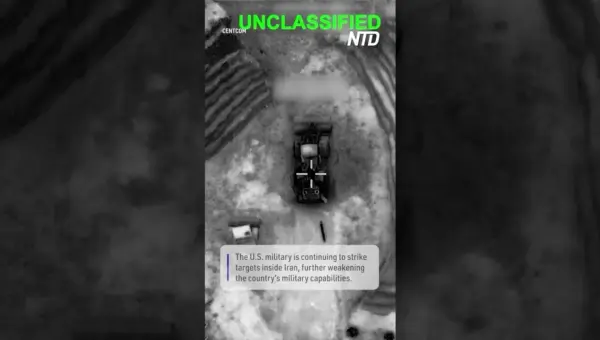
US Strikes Cripple Iran’s Military Might, CENTCOM Reports
U.S. Central Command reports ongoing strikes inside Iran are significantly weakening its military power. This direct action aims to reshape regional security dynamics, but carries risks of escalation. The long-term impact depends on Iran's response and ability to adapt.

U.S. Iran Tensions Rise Amid Shifting Alliances
Rising tensions between the U.S. and Iran are creating a volatile geopolitical situation. With conflicting signals on de-escalation and potential shifts in alliances like NATO and U.S.-Israel relations, the path forward remains uncertain. The global economy and regional stability hang in the balance.


Iran Targets US With Cyberattacks, Escalating Digital Warfare
Iran is increasingly using cyberattacks to challenge the U.S., as seen in a recent hack of the FBI director's account. Experts say this is a strategic shift due to Iran's limitations in conventional warfare. The U.S. needs to strengthen its digital defenses, focusing on encryption and cloud computing, rather than solely relying on traditional security measures.