Trump’s Iran War Stumbles: Officials Admit Confusion
The Trump administration's strategy in its conflict with Iran is under fire for perceived confusion and a lack of understanding of complex geopolitical issues. Key figures have made contradictory statements, and the credibility of official pronouncements is being questioned amidst escalating tensions.

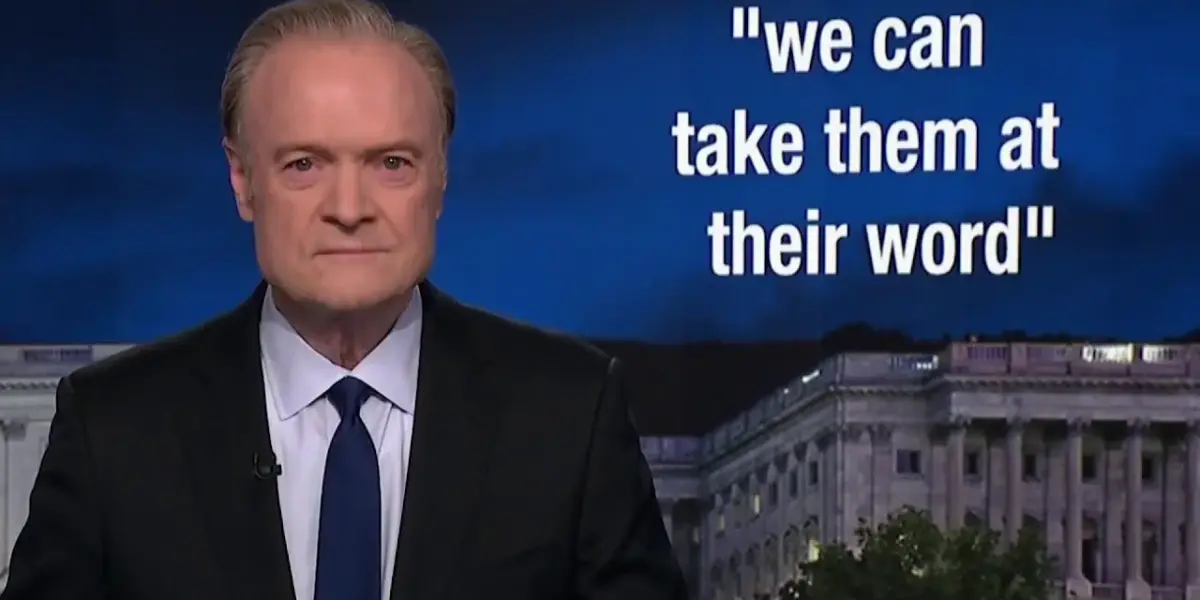
Trump Administration’s Iran Strategy Plagued by Inconsistency and Lack of Clarity
A recent analysis of the Trump administration’s approach to the escalating conflict with Iran reveals a troubling pattern of confusion, contradictory statements, and a perceived lack of understanding regarding the complexities of the situation. The core of the criticism centers on President Donald Trump’s decision to initiate military action, described by observers as a “war of choice,” which has subsequently led to a cascade of missteps and a general state of bewilderment within the administration regarding its own objectives and consequences.
Questionable Appointments and Negotiating Tactics
A significant point of contention highlighted in the analysis involves the appointment of individuals with seemingly limited expertise to critical diplomatic and negotiation roles. Steve Witkoff, a real estate developer, is singled out for his involvement in Middle East peace negotiations and discussions with Russian President Vladimir Putin. The transcript suggests that Witkoff’s background made him an unlikely candidate for such sensitive international diplomacy, and his subsequent public statements have only amplified these concerns.
“The competition for stupidest things said today about Donald Trump’s war was won by the guy who is tied with Donald Trump’s son-in-law, Jared Kushner, for the title of most ridiculous person ever chosen by a president to negotiate peace in the Middle East.”
Witkoff’s response to questions about Russia potentially profiting from increased oil prices, a consequence of Trump’s policies, further illustrates the perceived disconnect. When asked if Russia had shared intelligence on U.S. military assets, especially in light of waivers on Russian oil sanctions, Witkoff stated, “I’m not an intel officer, so I can’t tell you. I can tell you that yesterday on the call with the president, the Russians said that they have not been sharing. That’s what they said. So, you know, we can take them at their word.” This reliance on the word of Russian officials, particularly in the context of alleged Russian assistance to Iran in targeting American personnel, has drawn sharp criticism.
Allegations of Russian Complicity and Presidential Trust
The transcript raises serious allegations that Russia may have been aiding Iran in targeting U.S. military assets, leading to casualties. It is suggested that Vladimir Putin, aware of this potential complicity, leveraged President Trump’s perceived deference to him. The analysis posits that Putin could simply deny involvement to Trump, who would then publicly accept that denial, regardless of credible reporting from outlets like The New York Times and The Washington Post. This alleged pattern of belief in Putin’s word, even when contradicted by evidence, has been characterized as deeply concerning and potentially perilous.
The deaths of seven American soldiers and the injury of 140 others are cited as tragic consequences, with the implication that intelligence regarding Russian involvement, if true, was either ignored or mishandled. The article contrasts this with the historical approach of past administrations, where such claims would likely have been met with rigorous investigation and a more skeptical stance towards adversaries.
Contradictory Statements on War Aims and Outcomes
President Trump’s own pronouncements on the conflict have been a source of confusion. The transcript points to a rapid shift in rhetoric, from calling for Iran’s “unconditional surrender” to declaring “we’ve already won!” within a short period. This inconsistency has led to questions about the administration’s strategic goals and its understanding of the conflict’s trajectory.
Misinformation Regarding Military Actions
Further compounding the narrative of confusion is the administration’s handling of specific military incidents. A Tomahawk missile strike that reportedly hit a girls’ school, resulting in numerous civilian casualties, became a focal point. The transcript criticizes the White House press secretary for attributing the strike to Iran, a claim immediately refuted by former Navy pilot and Senator Mark Kelly, who stated, “Iranians don’t have Tomahawk missiles.” This instance is presented as an example of the administration “making things up” to justify actions or deflect blame.
“Making stuff up is what Donald Trump does. That’s why Nancy Cordes of CBS asked Donald Trump’s press secretary today, ‘So is he making this up to justify his decision to go to war now?’ To which Donald Trump’s press secretary said the president is not making anything up, Nancy.”
The article draws a stark contrast between the current administration’s communication strategy and that of earlier eras, particularly World War II. Steve Early, President Franklin D. Roosevelt’s press secretary, is presented as a model of transparency and accuracy. Early, a decorated veteran, established the modern press conference format, providing direct and truthful information to the public and the press.
Historical Context and the Meaning of “Unconditional Surrender”
The concept of “unconditional surrender,” a term used by President Trump, is examined through the lens of historical precedent. The transcript details how President Roosevelt used this term during World War II to signify a clear and definitive end to hostilities, backed by formal surrender ceremonies. In contrast, the current White House press secretary’s admission of not knowing what “unconditional surrender” entails or looks like is portrayed as a profound failure of understanding and communication.
The article emphasizes that historical instances of unconditional surrender, such as those signed by Germany and Japan, involved clear terms dictated by the Allied forces, with no room for negotiation. This historical understanding, according to the analysis, is absent within the current administration’s discourse on the conflict with Iran.
A Crisis of Trust and Competence
The overarching conclusion drawn is that the Trump administration’s handling of the Iran conflict is characterized by a fundamental lack of understanding, a reliance on misinformation, and a departure from the transparency and competence expected of presidential leadership. The article suggests that the public can no longer trust President Trump’s word, especially as the conflict continues and lives are lost.
Looking Ahead
As the situation in the Middle East remains volatile, the focus will likely remain on the administration’s strategic clarity, its ability to navigate complex international relations without succumbing to misinformation, and the consequences of its actions on regional stability and American security. The reliability of official statements and the competence of key personnel in diplomatic and military affairs will be under continued scrutiny.
Source: Lawrence: Trump's war in Iran shows he doesn't know what he's talking about (YouTube)

Related Articles


Trump Admin Tweet Sparks Oil Market Chaos: US Navy Aid to Iran?
A since-deleted tweet from U.S. Secretary of Energy Chris Wright, suggesting the U.S. Navy was aiding Iran's oil tankers, caused significant swings in global oil markets. The ambiguous message and its rapid removal have sparked widespread speculation about U.S. policy shifts and highlighted the impact of social media on international commerce.

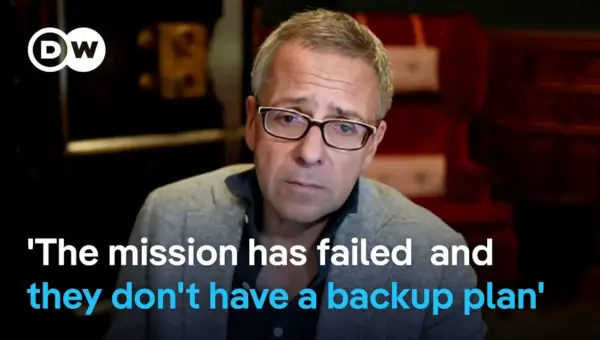
Trump’s Conflicting Iran War Messages Raise Doubts
Former President Donald Trump has issued conflicting statements regarding the U.S. military campaign in Iran, oscillating between claims of rapid progress and hints of expanded operations. This mixed messaging raises questions about U.S. strategic aims and the potential duration of the conflict, prompting analysis from experts on regional stability.
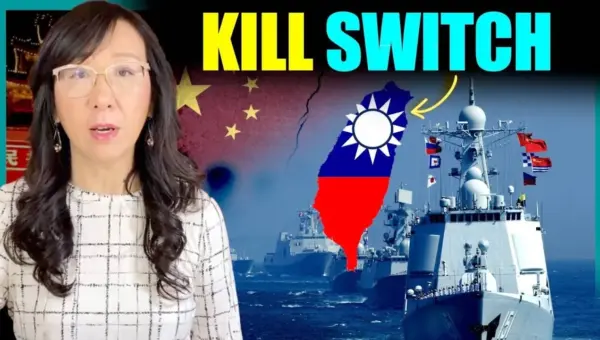
China’s Silent Strait: A 192-Hour Blackout Hints at Deeper Military Woes
An unprecedented 192-hour silence from the PLA over the Taiwan Strait sparked speculation. Was it a peace gesture, a hidden 'kill switch' activated during global conflicts, or a sign of deeper military vulnerabilities within China?