Trump’s Iran War Strategy Under Fire Amidst Resignation, NATO Snub
President Trump's decision to engage militarily with Iran faces growing criticism following a key resignation and revelations about stalled negotiations. Former National Security Advisor Lord Peter Ricketts argues that the situation vindicates a cautious approach, emphasizing that allies are not obligated to join every U.S. conflict.

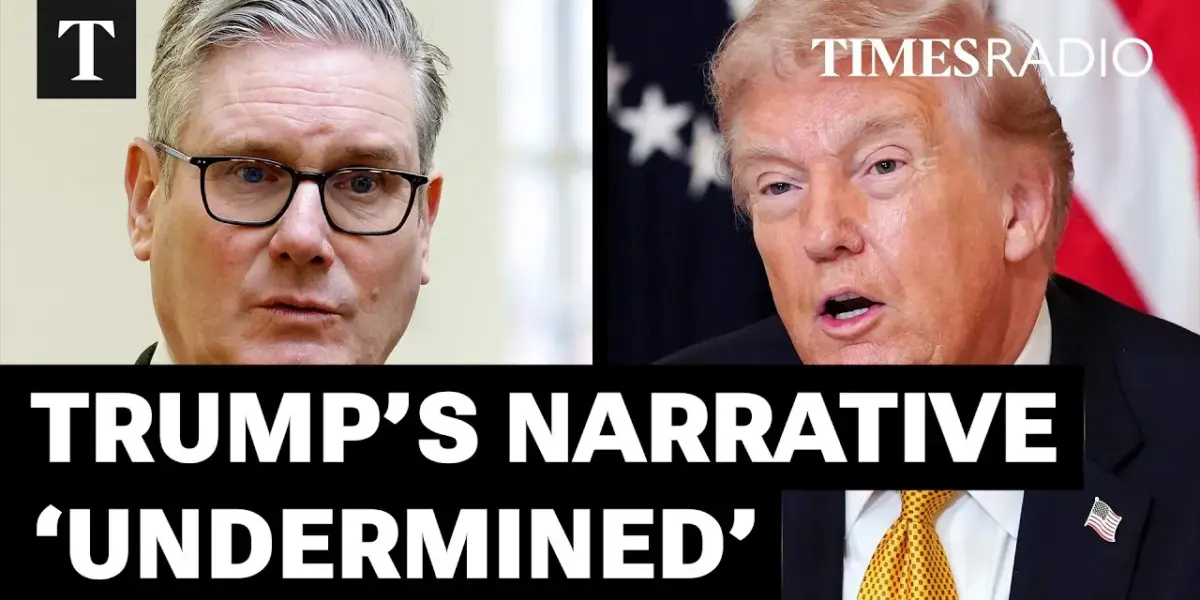
Trump’s Iran Strategy Questioned
President Donald Trump’s decision to engage in military action against Iran has come under intense scrutiny following a series of significant developments. Former UK National Security Advisor Lord Peter Ricketts stated that the situation vindicates the stance of not rushing into war when negotiations were still possible. This perspective gained traction following the resignation of Joe Kent, Director of the US National Counterterrorism Center, who asserted that Iran posed no imminent threat.
NATO’s Role and Trump’s Disappointment
President Trump expressed disappointment with NATO, suggesting a lack of support from the alliance for his actions in Iran. However, Lord Ricketts clarified that NATO, as a defensive alliance with a specific geographical focus on Europe and North America, was never intended to automatically join the U.S. in every conflict. He pointed out that NATO’s mutual commitment clause, Article 5, has only been invoked once, following 9/11, highlighting that support between allies has historically been reciprocal.
Lord Ricketts emphasized that the current situation is an American national decision to go to war, and allies are free to make their own choices based on their interests. He noted that Trump’s assertion that NATO allies have not been there for the U.S. is inaccurate, given the historical context of mutual support within the alliance.
Negotiations and Missed Opportunities
The transcript revealed insights from Jonathan Powell, a former international negotiator, who was involved in final talks between the U.S. and Iran. Powell’s assessment suggested that Iran was making concessions and that there was no immediate need for war. His experience as an international negotiator was contrasted with that of U.S. officials like Witoff or Kushner, who reportedly lacked technical experts during these discussions.
Powell’s judgment indicated that the negotiations were progressing and that rushing into war might have been a mistake. This view suggests a potential missed opportunity for a negotiated settlement on the nuclear deal, which could have averted suffering and economic damage globally. The lack of an imminent threat, as stated by Joe Kent, further undermines the rationale for military engagement.
Political Fallout and Public Opinion
The decision to go to war has also created political challenges for leaders like Keir Starmer in the UK. Trump specifically expressed disappointment with Starmer for not supporting the U.S. military action. Lord Ricketts explained that Starmer’s decision to stay out of the conflict was politically astute, considering the potential for significant public backlash in Britain if the UK had joined what is now seen as a widening global crisis.
The economic repercussions of any conflict, including potential disruptions to vital shipping lanes like the Strait of Hormuz, are a major concern. Lord Ricketts suggested that Britain’s cautious approach is appropriate, urging exploration of options rather than immediate military involvement. He stated that Trump initiated this conflict and cannot expect automatic support from allies.
Strategic Considerations and the Iranian Regime
The discussion also touched upon the complexities of dealing with the Iranian regime. Richard Spencer, The Times’ Foreign Correspondent, described the regime as a ‘Leninist’ system, meaning it relies on loyal, regionally competent individuals placed in key positions. This structure makes the regime resilient, as the removal of one leader does not necessarily lead to its collapse, unlike more centralized autocracies.
Spencer questioned the effectiveness of decapitating the regime by targeting specific leaders, suggesting it might be akin to fighting a hydra. He noted that even after the deaths of key figures, the regime continues to resist external pressure. The potential role of figures like Ali Larajani, who was seen by some as a pragmatic figure, was also discussed. However, Larajani’s stated loyalty to the regime and refusal to negotiate with Trump complicated this view.
Future Outlook
The ongoing situation in the Gulf and the U.S. strategy in Iran remain critical points of focus. The effectiveness of naval operations in securing shipping lanes, the potential for escalating conflict, and the diplomatic avenues for de-escalation will be closely watched. The international community will be observing how President Trump’s administration navigates these challenges and whether diplomatic solutions can be prioritized over military action.
Source: Starmer Vindicated' Over His Decision To Stay Out Of Trump's War | Former National Security Advisor (YouTube)

Related Articles


US Must Block China’s Tech Access for Security
US national security experts are raising alarms about China's access to advanced AI chips, arguing it threatens strategic advantages. This, coupled with charges against Chinese entities for fentanyl precursor sales and a ban on foreign routers, signals a growing effort to prioritize security over business ties.
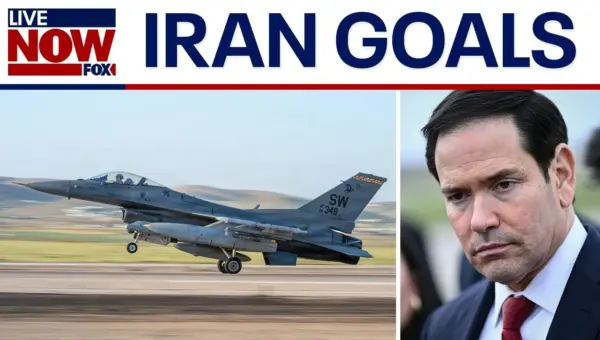
Rubio: US Can Achieve Iran War Goals Without Troops
Senator Marco Rubio outlined a strategy to counter Iran without deploying U.S. ground troops, focusing on weakening the regime and enhancing maritime security. He also criticized Cuba's economic system and expressed concerns about West Bank violence.


Israel Escalates Iran Strikes, Warns of Wider War
Israel has launched significant strikes inside Iran following continued missile fire, warning of further escalation. The conflict risks wider regional instability and economic disruption, especially concerning the Strait of Hormuz.