Trump’s Iran War Strategy Risks NATO, Allies Furious
Former President Trump's push for a swift end to the Iran conflict faces military limitations and has angered key allies, straining the NATO alliance. Domestic concerns over the economy and Trump's political future add further complexity to the volatile situation.

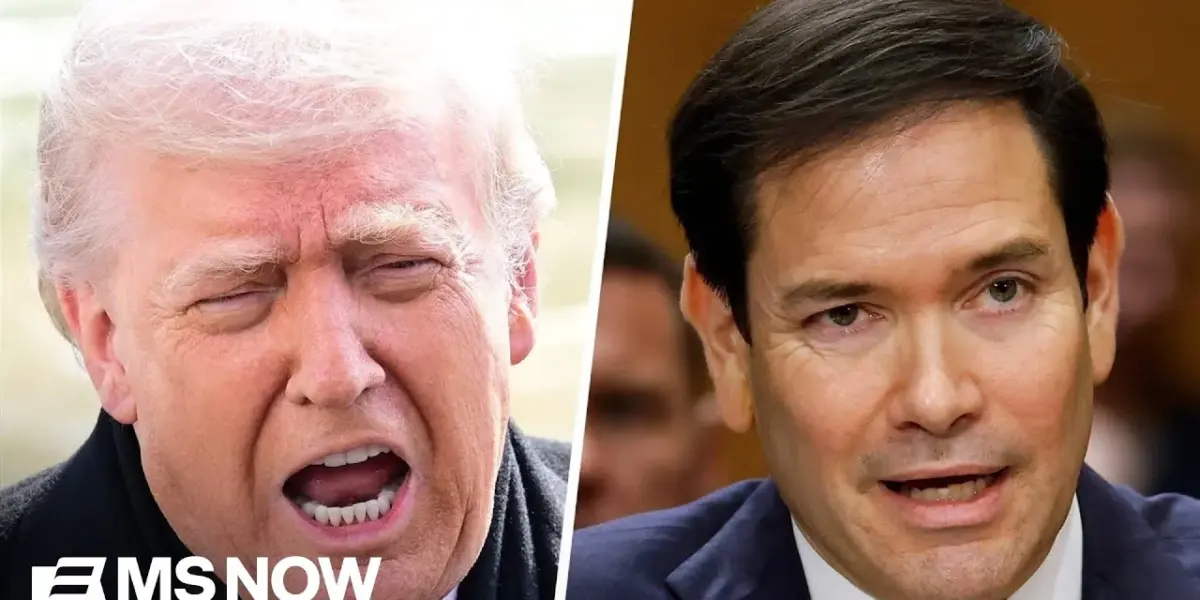
Trump Seeks Quick End to Iran Conflict Amidst Military Uncertainty
In the midst of escalating tensions with Iran, former President Donald Trump is reportedly seeking a swift resolution to the conflict, preferring a quick exit over a prolonged engagement. This approach, characterized by a desire for a diplomatic or swift military conclusion, has left many observers questioning the clarity of his strategy. The administration appears to be exploring options, though the available choices are described as difficult, leading to a complex and uncertain situation. Trump’s method often involves applying pressure with the hope of a quick surrender, a tactic he previously employed in Venezuela.
Military Options Limited in Potential Iran Operation
Plans for potential military actions, such as securing key sites like Harg Island or controlling the Strait of Hormuz, face significant logistical challenges. Forces like the 31st Marine Expeditionary Unit (MEU) are positioned near the Persian Gulf but have not yet transited the Strait of Hormuz due to security concerns. While these units possess long-range capabilities, seizing and holding territory would require substantial reinforcements. The 11th MEU is en route, but faces similar transit difficulties. The 82nd Airborne Division also has seizure capabilities, but like the Marines, lacks the resources for sustained presence without additional support. This suggests any military action would likely be a short, intense operation followed by withdrawal, or a prelude to a much larger, protracted conflict.
Lack of Clear Mission Undermines Military Effectiveness
A significant concern raised is the apparent lack of clear guidance and mission objectives for military personnel. Without a well-defined commander’s intent, soldiers and Marines may struggle to operate effectively if the situation changes rapidly. This absence of clear direction is seen as a critical failing, potentially hindering the military’s ability to adapt and succeed in a complex and dangerous environment.
Allies Express Anger Over Perceived Abandonment
The Trump administration’s handling of the Iran crisis has reportedly angered key international allies. Many nations feel they were not adequately consulted and are now being left to deal with the fallout, particularly the economic consequences of potential disruptions to the Strait of Hormuz. The closure of this vital waterway would impact global trade, affecting countries like China and Japan. Allies are urged to find pragmatic solutions, as the economic future looks bleak if the situation is not resolved. The frustration stems from a perceived lack of support and a feeling of being abandoned by the U.S. in a crisis they did not initiate.
Domestic Concerns: Economy and Political Viability
Back home, public reaction to the unfolding crisis is mixed. Some Americans express support for decisive action, while others voice concerns about the economic impact, particularly rising costs for essentials like rent and fuel. The administration is paying close attention to domestic sentiment, as the conflict’s unpopularity could affect Trump’s re-election prospects. While some supporters admire Trump’s assertive style, the economic repercussions, such as higher gas prices, could prove politically damaging, especially for Republicans facing elections.
NATO Alliance Under Strain Amidst Disagreements
The crisis has also placed significant strain on the NATO alliance. Secretary Marco Rubio expressed disappointment, suggesting that the U.S. may need to re-evaluate its alliances if partners do not provide necessary support, such as basing rights, during critical operations. This questioning of NATO’s value, especially if it is perceived as a one-way street, highlights a growing rift. The potential weakening or collapse of NATO is viewed as one of the most dangerous outcomes of the current situation, potentially undermining decades of security cooperation between the U.S. and Europe.
Republicans Divided on Alliance Support
Within the Republican party, there is a noticeable division regarding support for NATO and traditional alliances. While many Republicans privately express different views than their public statements, the party’s stance has become increasingly aligned with Trump’s skepticism towards these long-standing partnerships. This shift away from established foreign policy norms leaves many wondering if lawmakers will eventually stand up for their beliefs, despite the political risks associated with opposing the President. The lack of a unified stance on critical foreign policy issues like NATO’s role raises concerns about the future of American leadership and global security.
Looking Ahead: Key Alliances at a Crossroads
The coming weeks will be crucial in determining the future of U.S. foreign policy and its key alliances. Whether the Trump administration can navigate the complex geopolitical landscape while maintaining stability and reassuring allies remains to be seen. The economic and political consequences of the Iran crisis, coupled with the ongoing debate over the value of alliances like NATO, will likely shape international relations for years to come.
Source: Threats to NATO by Trump Admin 'one of the most dangerous aspects' of Iran war: Journalist (YouTube)

Related Articles


Iran-Linked Militia Seizes US Journalist in Baghdad
American journalist Shelley Kittleson has been kidnapped in Baghdad by a group suspected of having ties to Iran-aligned militia Kata'ib Hezbollah. The incident highlights the dangerous environment for foreign nationals and journalists in Iraq and raises geopolitical tensions. U.S. authorities are working with Iraqi officials for her swift release.

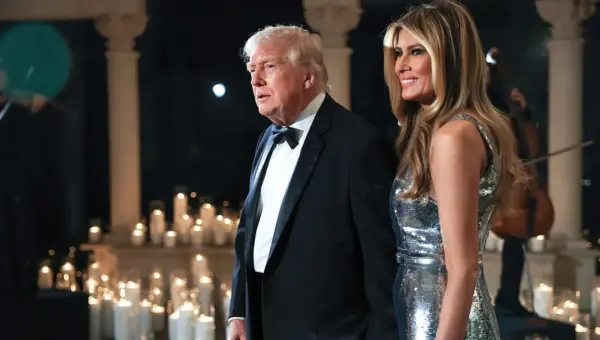
Trump Attends ‘Chicago’ Opening: A Night of Politics and Performance
President Donald Trump and First Lady Melania Trump attended the opening night of the musical "Chicago" at the Trump International Hotel and Tower. This cultural outing occurred against a backdrop of ongoing political developments and public scrutiny.

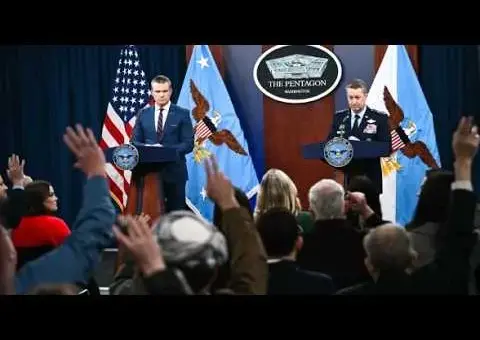
US Pushes Iran Harder: Troops Ready, Bombs Falling
Defense Secretary Pete Hegseth revealed an escalation of U.S. military pressure on Iran, including troop visits and increased bombing campaigns. He highlighted the troops' desire to finish the mission and reported significant damage to Iranian morale and capabilities, while also noting ongoing diplomatic talks.