Trump’s Iran War Stirs MAGA Divide, Puzzles Allies
Donald Trump's stance on the Iran conflict is fracturing the MAGA movement, with key figures like Tucker Carlson clashing with the former president over U.S. intervention. Allies are also puzzled by shifting justifications and demands for support, while regional violence escalates.

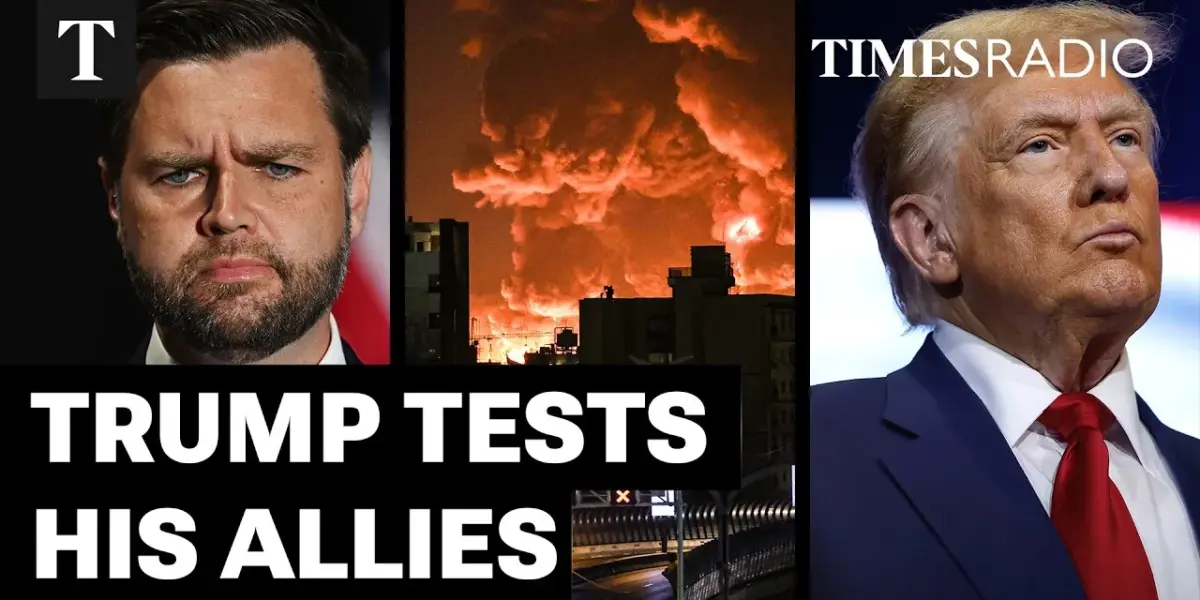
Trump’s Iran War Stirs MAGA Divide, Puzzles Allies
In the wake of escalating tensions with Iran, former President Donald Trump’s stance on the conflict has created a significant rift within his own MAGA movement, while simultaneously perplexing international allies. The debate, fueled by Trump’s justifications and criticisms, has exposed deep divisions among his supporters and raised questions about the clarity of U.S. objectives and the reliability of its alliances.
Shifting Justifications and Shifting Alliances
The Trump administration has faced criticism for a lack of cohesive explanation regarding the objectives behind its actions in Iran. Initially, at the conflict’s outset in late February, the rhetoric from the White House, including Trump himself, openly discussed regime change and urged the Iranian people to rise up. However, the narrative has since shifted. Trump is now more frequently citing the need to prevent Iran from acquiring nuclear weapons as the primary justification for military engagement.
This evolving rationale has drawn scrutiny. “Most people expect their president in the United States to lay out the grounds for attacking another country and for putting American lives and huge amounts of money on the line. And Trump has not cohesively done that,” noted Harriet Alexander, a US-based reporter, in a recent discussion. The lack of clear, consistent objectives has led to confusion both domestically and internationally.
Trump Criticizes Allies, Demands NATO Support
Compounding the confusion, Trump has expressed disdain for NATO allies, particularly the United Kingdom, for their perceived lack of enthusiastic support in protecting vital shipping lanes, such as the Strait of Hormuz. He stated that he was “not happy with the UK” for not being involved “enthusiastically” in protecting these routes, despite years of U.S. protection through NATO.
Trump’s calls for assistance have been met with a mixed and largely reluctant response from European nations. He suggested that he had tested allies to gauge their willingness to join a coalition, but many, including Germany and the EU’s foreign policy chief, have reiterated their stance of non-involvement in a wider war. The German Chancellor has made it clear they want nothing to do with the conflict, a sentiment echoed by other EU countries. This reticence highlights a broader disconnect between Trump’s demands and the strategic priorities of key U.S. allies.
“We’ve been protecting these countries for years with NATO.” – Donald Trump
Internal MAGA Schism: Carlson vs. Trump
The most pronounced division appears to be within the MAGA movement itself, particularly between Donald Trump and influential conservative commentator Tucker Carlson. Carlson has been a vocal critic of the U.S. involvement in the Iran conflict, labeling it “absolutely disgusting and evil.” He recently claimed that the CIA was preparing a criminal referral against him for allegedly acting as an agent of a foreign power due to his pre-war conversations with Iranians.
Trump, in response, has strongly criticized Carlson, accusing him of disloyalty and ignorance of the facts. This public spat has deeply split Trump’s supporters. Prominent figures such as Steve Bannon, Marjorie Taylor Greene, and former Fox News hosts have sided with Carlson, arguing that the U.S. has no business initiating conflict in the region. They believe Carlson’s position is aligned with the core tenets of the MAGA movement, which often emphasizes non-interventionism.
Trump, however, appears to view this dissent as a betrayal. He has publicly stated that those who disagree with his approach are not truly loyal and do not understand the “true facts.” This internal conflict underscores a fundamental disagreement on foreign policy within the conservative base, pitting a more isolationist, anti-interventionist sentiment against Trump’s current assertive stance.
Dubious Claims and Escalating Regional Violence
Adding to the contentious atmosphere, Trump has reiterated dubious claims about predicting the 9/11 attacks, stating he predicted Osama bin Laden’s actions a year prior and wrote about it in a book. This is not the first time he has made such assertions, which have been widely questioned and often stretched the imagination, according to reports.
Meanwhile, regional violence continues to escalate. In a separate but related development, the UK, Canada, France, Germany, and Italy released a joint statement expressing grave concern over escalating violence following Israel’s launch of a ground operation against Hezbollah in southern Lebanon. This further highlights the volatile geopolitical landscape surrounding the U.S. engagement with Iran and its regional implications.
Looking Ahead
The coming weeks will be crucial in determining how this internal MAGA schism evolves and whether the U.S. can present a more unified and clear foreign policy. The response from allies to Trump’s demands for support in the Strait of Hormuz will also be closely watched. Furthermore, any potential legal actions against Tucker Carlson, as he has alleged, could further inflame the political discourse and deepen the divisions within the Republican party. The administration’s ability to articulate a coherent strategy and garner support, both domestically and internationally, will be key to navigating this complex and dangerous geopolitical moment.
Source: Trump’s Iran War Splits MAGA And Puzzles Allies | Harriet Alexander (YouTube)

Related Articles
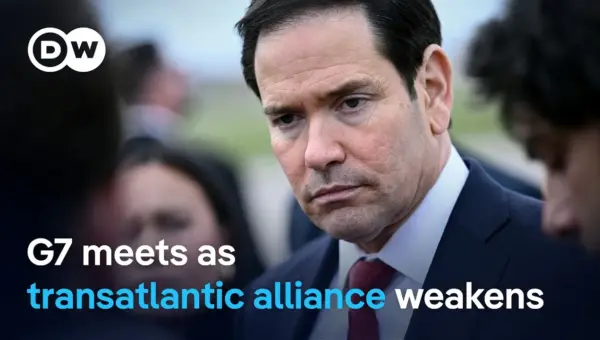
G7 Allies Clash Over Iran War Strategy, Urge Focus on Russia
G7 foreign ministers met in Paris, revealing deep divisions over the U.S. war with Iran. European allies urged the U.S. to pressure Russia, linking its actions to the conflict and fearing support for Ukraine will wane.
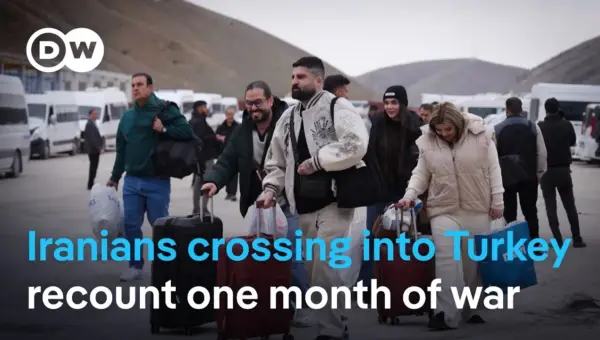
Iran War Exodus: Refugees Flee to Turkey Amidst Bombings
A train from Tehran brings refugees to Turkey, fleeing daily bombings and economic collapse. Many express deep fear for loved ones left behind, while some hold onto national pride and hope for victory. The conflict's impact is also felt economically in Turkey, with rising gas prices.
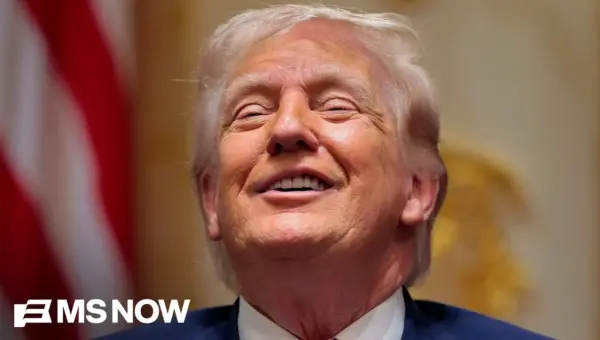
Trump’s Name Everywhere: A ‘Stain’ on GOP Legacy?
Former President Donald Trump's efforts to brand national symbols, including a proposed signature on dollar bills, spark debate. Critics view this as an authoritarian attempt to embed his legacy, potentially staining the Republican Party's history and contrasting with democratic ideals of public ownership.