Trump’s Iran War Stance Sparks Fierce Debate on Media & Russian Influence
Pete Hegseth's interview sparked controversy over his comments on US troop deaths in Iran and alleged Russian interference. Critics accuse the Trump administration of lacking a strong stance, raising concerns about foreign policy and national security.

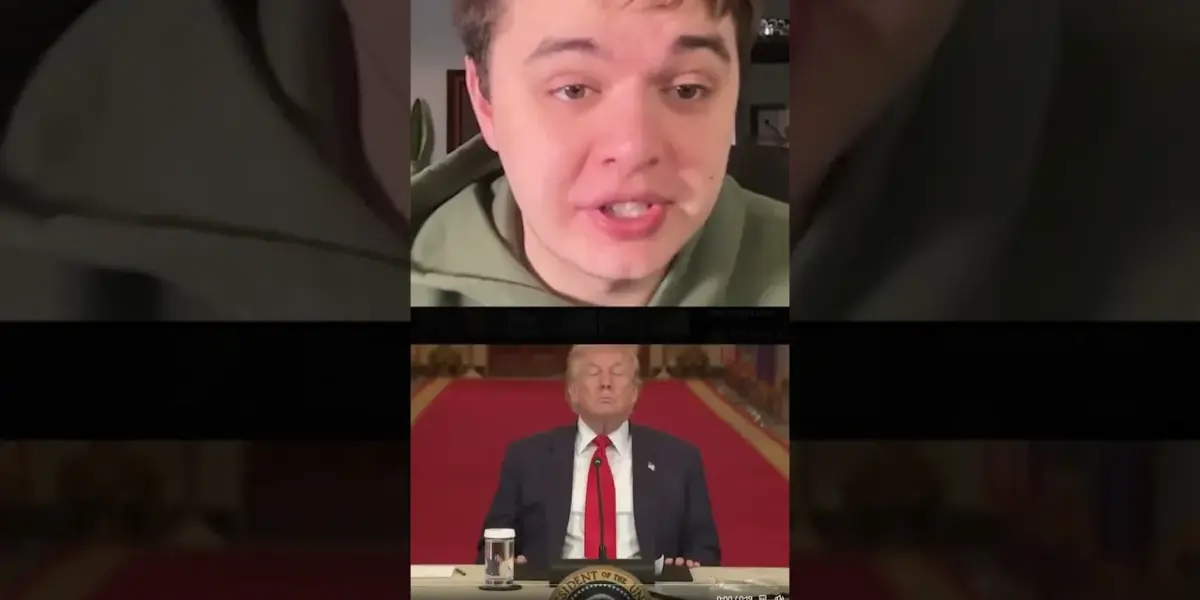
Hegseth’s Remarks Ignite Controversy Over US Troop Deaths and Iran Conflict
A recent interview featuring Pete Hegseth has ignited a firestorm of criticism, particularly concerning his framing of the deaths of US troops and the broader implications of President Trump’s foreign policy decisions regarding Iran. The central point of contention revolves around Hegseth’s seemingly dismissive characterization of incidents involving drones and “tragic things” happening, which critics argue downplays the gravity of six US service members losing their lives.
The Human Cost of Geopolitical Tensions
The transcript reveals a sharp rebuke to Hegseth’s statement, highlighting the stark reality of the casualties. The criticism posits that the deaths were a direct consequence of an administration initiating military action, drawing a parallel to President Trump’s alleged inattentiveness, described as being “sleeping” or “barely able to stay awake” during critical decision-making processes, especially after initiating conflict with Iran.
The average American might hear that and think that’s a big and dangerous deal. Is it? Well, we’re tracking everything. President has an incredible uh knack at knowing how to mitigate those risks.
Accusations of Russian Interference and Administration Silence
Adding another layer of complexity to the unfolding narrative is the allegation that Russia is actively providing intelligence to Iran concerning US positions and movements. This revelation, if true, presents a significant geopolitical challenge. However, the response from Hegseth and, by extension, the Trump administration, has been characterized as weak and indecisive.
Critics contend that neither Hegseth, Caroline Levit, nor Donald Trump himself have been able to articulate a strong and clear stance against Russian interference in this volatile situation. This perceived lack of a firm position is seen by some as a dangerous oversight, potentially emboldening adversaries and undermining US interests on the global stage. The transcript directly challenges Hegseth’s assertion that the President is “risk-averse” and skilled at mitigating risks, labeling it as “bullshitting” and demanding accountability by referencing the need to consult actual intelligence data.
Historical Context: A Pattern of Ambiguity?
The current situation echoes historical instances where US foreign policy has faced scrutiny for perceived inconsistencies or a failure to decisively confront adversaries. The Middle East, in particular, has been a region of persistent geopolitical complexity, with shifting alliances and proxy conflicts. The alleged Russian involvement in the Iran conflict adds a contemporary dimension to long-standing concerns about external interference in regional stability.
The media’s role in framing these events is also a critical aspect. The transcript suggests a bias, stating, “The press only wants to make the president look bad.” However, the counter-argument is that the press has a duty to report the “reality” of the situation, including the human cost of conflict and potential foreign interference. The debate highlights the ongoing tension between partisan media narratives and the public’s right to objective reporting on matters of national security and international relations.
Why This Matters
The implications of this exchange are profound. Firstly, it underscores the critical importance of clear and decisive leadership in foreign policy, especially during times of heightened geopolitical tension. The perceived ambiguity from the Trump administration on issues of troop safety and foreign interference risks eroding confidence both domestically and internationally.
Secondly, the allegations of Russian intelligence sharing with Iran raise alarms about the escalating nature of hybrid warfare and the need for robust counter-intelligence measures. A failure to address such threats could have long-term consequences for regional security and the strategic interests of the United States.
Finally, the controversy serves as a potent reminder of the media’s crucial role in holding power accountable. While political figures may attempt to shape narratives, the public relies on journalists to present factual information and challenge potentially misleading statements, particularly when lives and national security are at stake.
Trends and Future Outlook
The situation suggests a continuing trend of complex, multi-faceted conflicts where traditional notions of warfare are augmented by cyber operations, intelligence sharing, and sophisticated disinformation campaigns. The interaction between the US, Iran, and Russia in this context is indicative of a broader geopolitical realignment, where established powers and emerging actors vie for influence.
Looking ahead, the ability of the US administration to navigate these intricate geopolitical waters will be a key determinant of its standing and effectiveness on the world stage. A clear, consistent, and principled approach to foreign policy, coupled with a resolute stance against external interference, will be essential for safeguarding national interests and promoting global stability. The debate initiated by Hegseth’s remarks, while contentious, highlights the urgent need for transparency, accountability, and strategic clarity in navigating the perilous landscape of international relations.
Source: Pete Hegseth Interview Backfires Immediately #politics #fyp #new (YouTube)

Related Articles
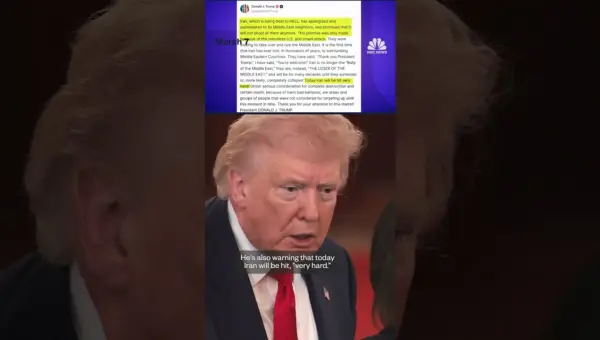
Iran’s President Rejects Unconditional Surrender Amid Tensions
Iranian President Massud Peshkan has apologized to neighboring countries, stating Iran will not attack unless provoked. This comes as US President Trump demands unconditional surrender and warns of severe retaliation.

War Games: How Memes Mask a Catastrophic Iranian Conflict
A critical analysis of the current Iranian conflict, exposing how the Trump administration's use of memes and perceived detachment trivializes the human cost. The piece questions the necessity of the war, highlights geopolitical manipulation, and examines the severe economic impact on American families.
Russia’s Global War Falters: Putin Faces Mounting Crises
Russia's war in Ukraine is revealed as part of a larger global conflict, with Moscow facing internal instability and economic strain. Facing mounting pressures, the Kremlin is employing distraction tactics and seeking unreliable allies, while its strategic miscalculations have led to significant global ramifications.