Trump’s Iran War Stance Sparks Fierce Debate
A recent discussion scrutinizes Donald Trump's past decisions regarding Iran, questioning his judgment and the influence of advisors. Critics argue his stance shifted rapidly, potentially escalating tensions without achieving desired outcomes like regime change.


Trump’s Iran Stance Under Fire
A recent discussion, featuring insights from Megyn Kelly and others, has brought Donald Trump’s decisions regarding Iran into sharp focus. The conversation questions his judgment and the consequences of his actions, particularly concerning a potential war and the approach taken with Israeli Prime Minister Benjamin Netanyahu.
Questions About Decision-Making
One key point raised is Trump’s posture during a meeting in the Situation Room. It’s described that Netanyahu was seated as an equal, with Trump not at the head of the table. This seating arrangement has led to questions about what influenced Trump’s decisions. Was he influenced by what he was told, even when advisors later pointed out these claims were false?
Advisors’ Warnings Ignored?
The discussion highlights that Trump was reportedly told the next day by top advisors that certain claims were lies and that the objectives were not achievable. Despite this, the claim that Trump’s actions led to regime change in Iran is still being pushed. The reality, according to the discussion, is that the same regime remains in power, and Iran is now economically stronger. It also controls a vital waterway and is seeking the removal of sanctions.
A Shifting Stance on Iran
Trump’s stated position on Iran appears to have shifted quickly. A 10-point plan is mentioned, where Trump reportedly went from saying ‘no’ to a proposal one day to calling it ‘very workable’ the next. This rapid change is seen by some as a way to save face and back away from earlier, more aggressive threats, such as those about destroying an entire civilization.
Criticism of Media Figures
The conversation also touches on media figures who have, in the past, been seen as defending Trump’s political style. Some critics express frustration, arguing that these figures are attempting to rehabilitate their image or Trump’s. They point to past statements that suggest a continued willingness to support Trump, even in extreme scenarios, and suggest these figures played a role in the current situation with Iran.
Historical Context and Future Outlook
Understanding these events requires looking back at the complex relationship between the United States and Iran. Tensions have been high for decades, marked by events like the 1979 revolution and subsequent hostage crisis. Different presidential administrations have approached Iran with varying strategies, from sanctions and diplomatic pressure to more direct confrontations. Trump’s administration, in particular, adopted a policy of ‘maximum pressure,’ withdrawing from the Iran nuclear deal and imposing severe economic sanctions. The current debate suggests that the effectiveness and wisdom of these policies are still being hotly contested, with questions about whether they brought the U.S. closer to peace or further into conflict.
Why This Matters
The decisions made by leaders regarding foreign policy, especially concerning potential military action, have profound and lasting consequences. The debate surrounding Trump’s approach to Iran raises critical questions about presidential decision-making, the influence of advisors, and the reliability of intelligence. It underscores the importance of scrutinizing leaders’ actions and their impact on international stability. The discussion also highlights how public figures and media personalities can shape public opinion and political discourse, making it vital to consider their past actions and potential biases when evaluating their current commentary.
Implications and Trends
The ongoing discussion about Trump’s foreign policy decisions, particularly regarding Iran, reflects a broader trend of intense political division. It shows how past presidential actions continue to be debated and analyzed, influencing current political narratives. The focus on media figures also points to the evolving role of commentators in shaping political debate. The future outlook suggests that these debates will likely continue, shaping voter perceptions and influencing future foreign policy discussions. The effectiveness of sanctions, the role of diplomacy versus military threats, and the impact of presidential leadership on international relations remain key areas of focus.
Source: Megyn Kelly BLASTS Trump Over Iran War #politics #fyp #New (YouTube)

Related Articles

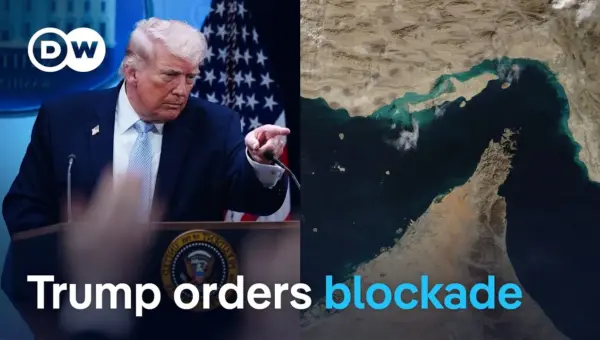
US Blockades Hormuz Strait After Iran Talks Collapse
The U.S. has imposed a naval blockade on the Strait of Hormuz following failed peace talks with Iran in Pakistan. Despite mediation efforts, key disagreements over Iran's nuclear program and mutual trust prevented a deal. The move escalates regional tensions, with Pakistan urging continued dialogue.
Economy Plunges While Distractions Dominate Trump’s Presidency
A deep dive into President Trump's administration reveals a concerning trend: economic struggles are being overshadowed by distractions. The analysis argues that a consistent refusal to adapt, seen in past business failures, is hindering progress and impacting Americans' ability to afford basic necessities.

Vance’s Failed Diplomacy Could Doom His Political Future
Senator JD Vance's recent diplomatic mission in Pakistan ended in failure, raising questions about his political future. The situation highlights complex geopolitical tensions, potential strategic missteps by Donald Trump, and significant economic implications for global energy markets.