Trump’s Iran War Sparks Oil Surge, Economic Crisis
President Trump's military actions in Iran have triggered a severe energy crisis, sending oil prices over $100 a barrel and disrupting global markets. The conflict has also resulted in U.S. service member casualties, raising concerns about a potential escalation and long-term economic instability.

Trump’s Iran Conflict Triggers Severe Economic Shockwaves
Washington D.C. – The escalating conflict initiated by President Donald Trump’s administration against Iran has plunged the global economy into what The Wall Street Journal is calling the “most severe shock to energy markets since the 1970s.” The military action, launched late Friday or early Saturday, has already led to a significant surge in oil prices, the deaths of U.S. service members, and widespread concerns about long-term economic instability and a potential expansion of the conflict.
Escalating Casualties and the Threat of Ground Troops
The human cost of the conflict is mounting, with eight U.S. service members confirmed dead. Sergeant Benjamin Pennington, 26, from Kentucky, died in an attack in Saudi Arabia, while Major Soarfly Davias, 46, from New York, passed away in Kuwait due to a non-combat medical emergency. The potential for further casualties looms large, as NBC News reports that President Trump has privately expressed serious interest in deploying U.S. ground troops. While not focused on a large-scale invasion, the concept of a smaller deployment has been considered, a move that could further escalate the conflict and increase the death toll.
Oil Prices Soar Amidst Strait of Hormuz Disruption
The immediate economic fallout has been swift and severe. Oil prices have surged past $100 a barrel for the first time in nearly four years, a direct consequence of the conflict effectively halting traffic through the critical Strait of Hormuz. This disruption has rapidly translated into higher gasoline and diesel prices at the pump, as well as increased borrowing costs for the U.S. government, threatening President Trump’s economic agenda. In response to the price hikes, President Trump told Fox News, “These ships should go through. I don’t think it’s going to show some guts. There’s nothing to be afraid of.”
Administration Defends “Temporary” Price Hikes
Trump administration officials have attempted to downplay the economic impact, characterizing the surge in oil prices as a “temporary period of elevated energy prices” that will not last long. They argue that once the conflict concludes, energy prices will become “sustainably lower and in a safer position for years if not decades.” This perspective suggests that the current economic strain is a short-term disruption in exchange for the long-term gain of removing a “rogue Iranian terrorist regime.” President Trump echoed this sentiment on social media, stating, “SHORT-TERM OIL PRICES IS A VERY SMALL PRICE TO PAY FOR USA AND WORLD SAFETY AND PEACE. ONLY FOOLS WOULD THINK DIFFERENTLY.”
Uncertainty and Hardline Rule in Iran
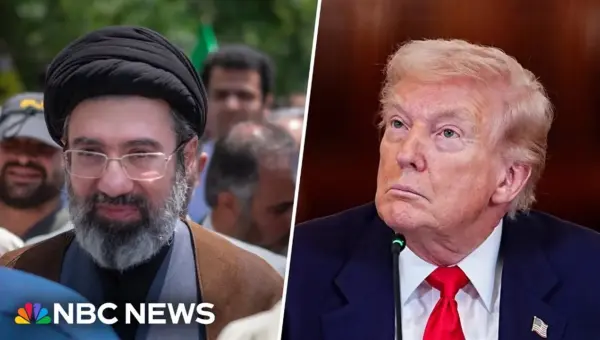
However, the promise of a swift resolution and long-term stability faces significant challenges. The Iranian regime shows no signs of backing down. The appointment of Mostafa Khomeini, son of the late Ayatollah Ruhollah Khomeini, as the new supreme leader, has cemented hardline theocratic rule in the country, suggesting a prolonged period of ideological resistance. This development fuels concerns among officials that President Trump’s actions may have opened a “Pandora’s box” with no clear endgame.
Broader Regional Instability and Economic Concerns
Interviews with officials across the United States, Israel, Iran, and the Middle East indicate that while American and Israeli military capabilities have proven superior in the initial phase of the war, the escalating violence could lead to a wide array of unpredictable and fraught outcomes. Experts are concerned about the potential for stagflationary pressures, a combination of high inflation and stagnant economic growth, reminiscent of the economic challenges of the 1970s, a period that deeply influenced President Trump’s views on foreign policy and economic stability.
Critiques of Trump’s Strategic Approach
Critics argue that President Trump’s approach to the Iran conflict lacks a coherent long-term strategy and a clear plan for a stable Iran. “He’s been very tactical. All of his steps don’t take into account the second, third and fourth order effects,” noted former CIA Director John Brennan. “I think he just looks, what’s my next move? And he doesn’t think about… the intelligence assessment that was given to him… that the military operation was unlikely to topple the regime.” This reactive, “gut-driven” approach, as described by Brennan, is seen as particularly risky given the complex geopolitical landscape and the potential for significant economic repercussions.
Looking Ahead: The Path Forward
As the conflict continues to unfold, the focus will remain on the trajectory of oil prices, the potential for further military escalation, and the administration’s ability to articulate a clear strategy for de-escalation and regional stability. The economic consequences, particularly at the pump for American consumers, will likely become a significant political pressure point for President Trump. The coming weeks will be critical in determining whether the current economic shock is indeed a “temporary movement” or the precursor to a more prolonged period of global economic uncertainty.
Source: ‘Devastating splash of negative economic headlines’: Trump’s war with Iran puts oil prices in peril (YouTube)

Related Articles
Trump Weighs Oil Price Options Amid Iran War Disruptions
President Trump is exploring options to mitigate rising oil prices amidst the escalating conflict with Iran. Following the President's comments suggesting the war is nearing completion, crude oil prices saw a significant drop, though gasoline prices remain elevated for consumers. The White House is prioritizing strategies to stabilize energy markets and address economic concerns.
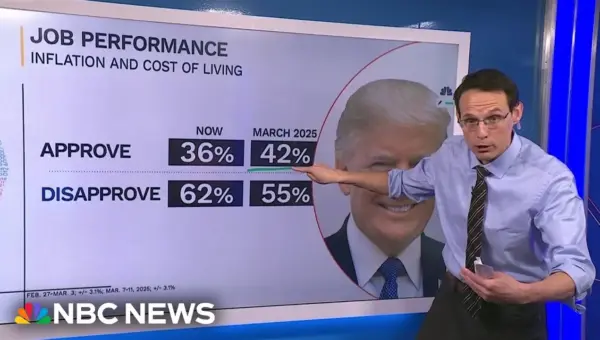
Trump’s Handling of Economy, Inflation Worsens Politically
President Trump's approval ratings on inflation and the cost of living are declining, mirroring the political challenges faced before the 2018 midterms. While immigration presents a mixed picture, economic concerns are increasingly weighing on his party's prospects.

Iran’s “Unconditional Surrender” Demand: A Strategic Folly
President Trump's demand for Iran's unconditional surrender is a strategic miscalculation, ignoring the regime's decentralized structure and popular dissent. Historical precedents show air power alone rarely achieves such goals, leaving the US with unappealing options for a prolonged conflict.