Trump’s Iran War Sparks MAGA Rift, Divides GOP
President Trump's Iran strikes have fractured the Republican Party, with critics citing a pattern of deception and questioning the 'America First' platform. Prominent conservative voices and analysts highlight growing dissent and the human cost of the conflict, while Democrats grapple with articulating a clear anti-war stance.

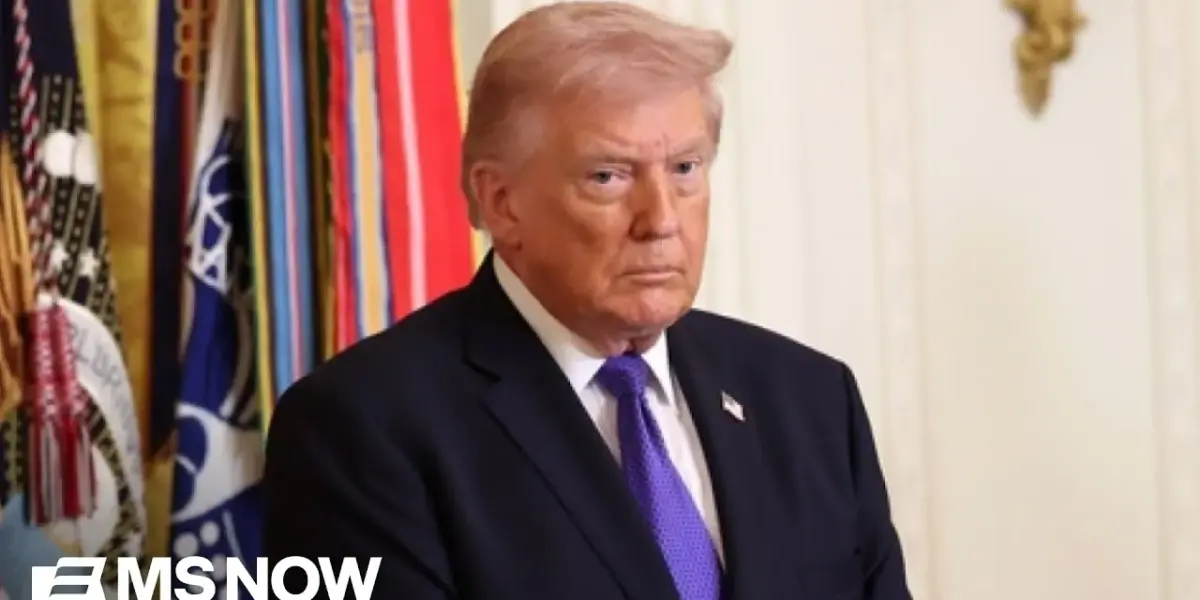
Trump’s Iran Strikes Ignite Political Firestorm, Fracturing Republican Support
In a dramatic turn of events, President Donald Trump’s recent military actions in Iran have ignited a significant political firestorm, exposing deep fissures within the Republican Party and the broader MAGA movement. The decision to launch strikes against Iran, justified by the administration through a series of evolving rationales, has led to unprecedented dissent among conservative voices and a questioning of Trump’s core ‘America First’ platform. This internal strife comes as the nation grapples with the tragic loss of American service members, including Major Sorfly Davius from Queens, New York, who died in Kuwait, and the solemn ceremony for six fallen troops at Dover Air Force Base.
Shifting Sands: Republican Support Erodes Over Iran Conflict
While President Trump has historically enjoyed near-universal support within the Republican Party, the conflict in Iran has revealed a stark departure. A recent NBC News poll indicated that while 77% of Republicans still support the strikes, this figure represents a notable decline from the previously unwavering backing Trump has commanded. This erosion of consensus is particularly evident in right-wing media, where prominent figures, once staunch Trump allies, are now openly criticizing the war.
Commentators have voiced strong opposition, with one prominent voice stating, “This is Israel’s war. This is not the United States’ war. Bibi’s not dumb. He would know how to talk Trump into it, which is clearly what he did. The only reason it looks like we’re in there is just JUST BECAUSE ISRAEL NEEDS IT.” This sentiment suggests a belief that the U.S. is being drawn into a conflict primarily serving Israeli interests, a notion that clashes with the ‘America First’ agenda championed by Trump.
The ‘Lie After Lie’: Accusations of Deception Mount
Former New York Congressman Max Rose, an Afghanistan war veteran and senior advisor for Vote Vets, sharply criticized the administration’s justifications for the strikes. “Donald Trump very clearly lied to his voters,” Rose stated, highlighting a perceived pattern of deception. He detailed a rapid succession of rationales offered by the administration, including concerns over ballistic missile programs, nuclear ambitions, terrorism, and even the promotion of democracy through ‘carpet bombing.’
“Over lie after lie after lie and it is clear even to the MAGA base. I mean, I think it’s pretty telling in the clip that you just played there, Elise, from Megan there on her podcast, I think it was. I mean, she’s talking to Eric Prince. Eric Prince of all just jealous, though, because he hasn’t been contracted yet.”
Max Rose, Former NY Congressman
Rose pointed to the unusual position of figures like Eric Prince, known for his private military contracting, questioning the war, as indicative of the deep divisions. He argued that many within the conservative sphere are attempting to oppose the war without directly criticizing President Trump, leading to convoluted arguments such as suggesting Trump was manipulated into the conflict by Israeli Prime Minister Netanyahu.
Democratic Dilemma: Navigating Anti-War Sentiment
The conflict also presents a challenge for Democrats, who have historically struggled to articulate a consistent anti-war stance. While House Minority Leader Hakeem Jeffries indicated that Democrats would consider blocking additional funding for the war, he stopped short of a definitive commitment. Political analyst Peter Beinart noted that the Democratic Party appears to be experiencing a similar gap between its leadership and its voters, many of whom hold anti-war sentiments.
Beinart criticized Democratic leadership for focusing on procedural critiques, such as Trump’s failure to seek congressional approval, rather than making a clear moral argument against engaging in unprovoked wars. “They’re not willing to say the most obvious thing, which is that it’s immoral and criminal for us to attack countries that don’t threaten us, period,” Beinart asserted. He believes this hesitation prevents Democrats from capitalizing on a significant anti-war majority within the electorate.
The Ideology of War: Personal Gain and Broken Processes
When questioned about the animating ideology behind Trump’s decision to join the conflict, Rose suggested a blend of political opportunism and a personal enjoyment of military action. “I think Trump thought that the assassination of Soleimani worked for him politically. He saw, he thought that the 12-day war worked for him politically and he thought that the Venezuela worked for him politically. I think frankly he loves the idea of blowing things up. I think he enjoys cruelty and I think he enjoys using this in military. He thinks it makes him look big and politically strong.”
Both Rose and Beinart pointed to a broken foreign policy process, characterized by sycophants surrounding the president, as a contributing factor. This environment, they argue, allowed for decisions like the Iran strikes to proceed without adequate challenge, unlike in previous administrations where dissenting voices like former Secretary of Defense James Mattis might have offered stronger opposition.
A Sobering Reality: The Cost of Conflict
The human cost of the conflict was underscored by the discussion surrounding the ‘Dignified Transfer’ ceremonies for fallen service members. Max Rose reflected on the profound impact of witnessing these solemn events, particularly the return of young soldiers like 20-year-old Sergeant Declan Cody. “These young men and women in uniform are the absolute best that America has to offer,” Rose stated, emphasizing the expectation that leaders treat their sacrifices with respect and engage in responsible decision-making prior to initiating military action.
He contrasted the “strategic incompetence of this administration” with the “continued operational brilliancy of our military,” suggesting a disconnect between political leadership and the execution of military operations. The fact that President Trump has participated in such ceremonies before, Rose noted, makes the apparent lack of ingrained consideration for the potential sacrifices even more concerning.
Looking Ahead: A New Global Norm?
Peter Beinart warned of the broader implications of the U.S. acting without adherence to international norms and laws, such as the Geneva Conventions. “The first thing we know is that other countries will learn from this,” he cautioned. Beinart cited Russia’s justification of its actions in Ukraine by referencing U.S. interventions in Iraq as an example of how American precedents can embolden other global powers to act more recklessly.
Furthermore, Beinart drew a parallel between the ‘lawlessness and spectacular, brutal violence’ seen in the Iran conflict and Trump’s domestic rhetoric and actions. He urged Democrats to connect these seemingly separate issues, arguing that a consistent stance against lawlessness, both abroad and at home, is crucial. The coming weeks will likely see continued debate over the U.S. role in the Middle East, the accountability of presidential war powers, and the future direction of the Republican Party under the shadow of these divisive events.
Source: MAGA CIVIL WAR over Trump’s Iran strikes (YouTube)

Related Articles

MAGA Retreat Exposes Deep Divide Amidst War and Economic Woes
While the nation faces war and economic turmoil, MAGA Republicans convened at Trump's Doral resort, sparking criticism over priorities. Speaker Johnson's rhetoric on war and peace, coupled with divisive statements, highlights a widening political chasm. A congressional candidate offers policy solutions amidst this backdrop.


GOP Shifts: Record Republicans Back Abolishing ICE
A new poll reveals a majority of Americans, including a record number of Republicans, now support abolishing ICE. The findings highlight widespread public concern over the agency's practices and a growing demand for reform or replacement.
Trump Addresses GOP Conference, Vows to Fight ‘Rigged’ Election
Former President Donald Trump addressed Republican lawmakers at his Doral resort, reiterating unsubstantiated claims of a "rigged" 2020 election. The conference underscored Trump's continued influence within the GOP and his focus on election integrity as a key party message.