Trump’s Iran War Sparks Global Chaos, Weakens US
Donald Trump's actions in the Middle East have reportedly led to global instability, with China studying U.S. weaknesses and Russia increasing its influence. Allies express frustration, while economic disruptions like gas shortages spread. Diplomatic efforts are undermined, raising questions about U.S. foreign policy effectiveness.

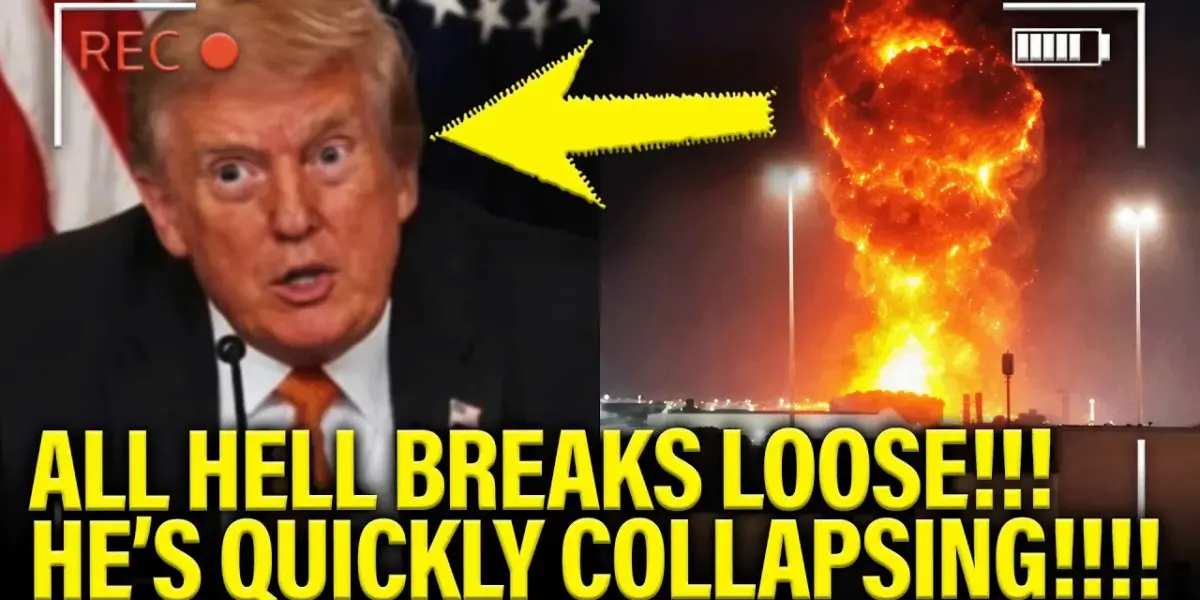
Trump’s Iran War Sparks Global Chaos, Weakens US
Reports suggest that Donald Trump’s actions concerning Iran have created significant global instability. China is reportedly studying the United States’ weaknesses, especially as it looks toward Taiwan. This comes as U.S. military attention shifts away from Asia and toward the Middle East. There, a conflict initiated by Trump with Iran has led to Iran showing greater dominance. This situation is causing concern among global allies and creating opportunities for rivals.
Iran Strikes Back, Allies Suffer
The conflict escalated when Trump and Netanyahu reportedly attacked Iran’s South Pars energy facility. Iran responded by targeting facilities in Saudi Arabia and Qatar. Following these retaliations, Trump appeared to distance himself from the initial strike, blaming Netanyahu and pleading with Iran to stop. This reaction has been interpreted by some as a sign of weakness. Meanwhile, countries like Japan are facing gasoline shortages, with signs at gas stations directly blaming Trump for the issues. Japan’s government is stepping in with subsidies to control rising prices, a move that mirrors concerns about spreading economic disruption.
Russia and China Gain Ground
While the U.S. is embroiled in the Middle East, Russia is increasing its presence in Cuba. This development is particularly concerning given historical tensions. The report highlights that under Trump, oil sanctions on Russia were lifted, allowing Russia to profit significantly. This profit is seen as fueling further global actions, including support for Iran. Russia is now sending oil and gas ships to Cuba, which is experiencing a severe energy crisis. This move is happening despite U.S. pressure, leading to questions about the effectiveness of American foreign policy under Trump. China is also seen as benefiting, with its ships reportedly moving freely through the Strait of Hormuz while Iran receives weapons support from Russia, potentially for drones used against U.S. interests.
“They see you as weak, Donald. They see that you blink.”
Allies Question U.S. Leadership
European allies are also expressing frustration. Germany’s Chancellor stated that Washington did not consult them and rejected European aid, suggesting a unilateral approach. Spain’s Prime Minister, while hosting Ukrainian President Zelenskyy, emphasized that Europe would not forget Ukraine’s struggle, even if the U.S. seemed distracted. These statements indicate a growing divide and a questioning of U.S. reliability as a global partner.
Diplomatic Efforts Undermined
Oman’s Foreign Minister, who previously mediated discussions between the U.S. and Iran, described a near-deal that would have prevented Iran from developing nuclear weapons. He explained that U.S. negotiators, Kushner and Witoff, were distracted and possibly acting as proxies for Netanyahu. This deal in principle was reportedly abandoned when Netanyahu pushed for an invasion, and Trump agreed. The Omani minister believes Iran’s retaliation was a direct, albeit regrettable, response to threats against its existence. He argues that U.S. actions have made Arab nations vulnerable and endangered their economic futures. He also noted that Iran’s leadership structure means removing one figure often leads to a more extreme replacement, citing the killing of Ali Larajani and the potential rise of figures like Sajed Jalili.
Escalation and U.S. Vulnerability
The situation is seen as worsening daily, with the U.S. reportedly considering sending thousands more troops to the region and contemplating a ground invasion of Iran. This strategy is criticized as lacking planning and understanding of the region, potentially leading to a Vietnam-style conflict. The report suggests that Trump and his advisors are easily outmaneuvered and that the world is witnessing the consequences of this approach. The ongoing conflict and its ripple effects are causing economic hardship and instability across multiple continents.
Why This Matters
The implications of this conflict extend far beyond the immediate region. The report suggests a weakening of U.S. global standing, emboldening rivals like China and Russia. It highlights the economic consequences for allies and the potential for prolonged, destabilizing conflicts. The narrative presented is that a foreign policy driven by impulsive actions rather than strategic diplomacy can lead to widespread insecurity, economic disruption, and a loss of trust among allies. The core issue is whether the U.S. should be involved in costly, escalating wars when facing domestic challenges, and whether current strategies are creating more problems than they solve.
Looking Ahead
The future outlook suggests a continued period of global uncertainty if the current course is maintained. The report implies that a return to dialogue is the only viable path to de-escalation, but trust has been eroded by abrupt shifts from negotiation to military action. The potential for further escalation, including a ground invasion of Iran, remains a serious concern. The report implicitly questions the long-term consequences of a foreign policy that alienates allies, benefits adversaries, and destabilizes critical global markets.
Source: All HELL BREAKS LOOSE as Trump gets CHECKMATED IN WAR!! (YouTube)

Related Articles
Iran Blocks China Ships, Exposing Beijing’s Weak Grip
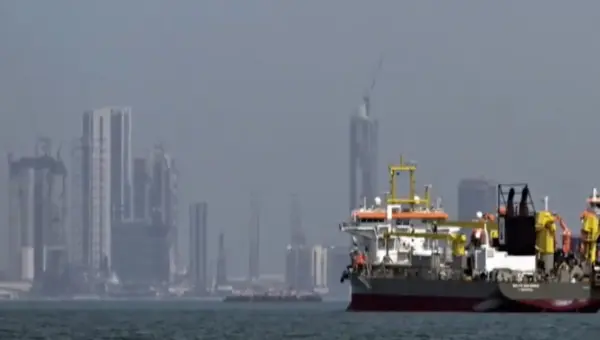
Iran's recent decision to block Chinese ships at the Strait of Hormuz is exposing the limits of Beijing's influence in the Middle East. This action is causing delays and cancellations for Chinese manufacturers, turning a perceived geopolitical win into an economic strain.
Rubio: US Can Achieve Iran War Goals Without Troops
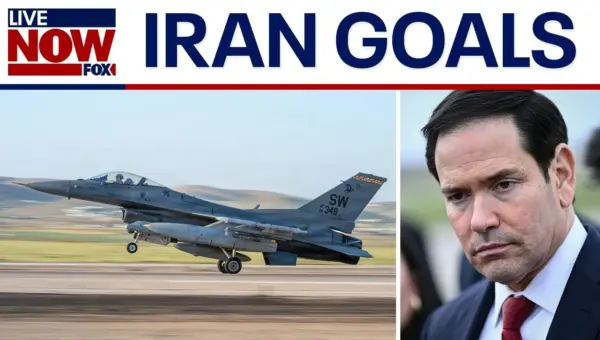
Senator Marco Rubio outlined a strategy to counter Iran without deploying U.S. ground troops, focusing on weakening the regime and enhancing maritime security. He also criticized Cuba's economic system and expressed concerns about West Bank violence.
Trump’s “Walk Away” Tactic Signals Tougher Stance on China
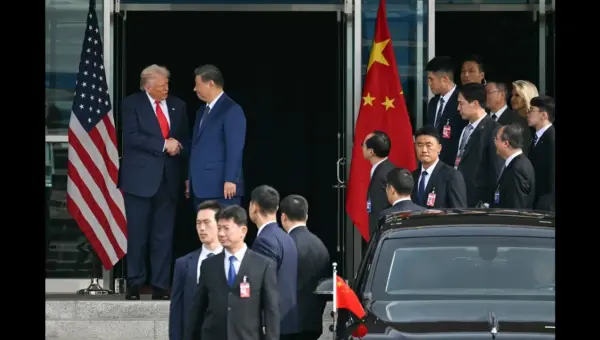
Retired Air Force Brigadier General David Stillwell believes President Trump's strategy of being willing to walk away from negotiations puts pressure on China. This tactic, combined with US global actions and strengthened alliances, signals a more assertive American foreign policy.