Trump’s Iran War Rattles Global Economy, Allies Question U.S. Leadership
U.S.-Iran peace talks have failed, leading to global economic uncertainty. Former Canadian Deputy PM Chrystia Freeland warns of a "permanent hit to global living standards" due to a "triple whammy" of inflation and reduced growth. Allies are questioning U.S. leadership amid perceived recklessness and a growing divide with the Global South.

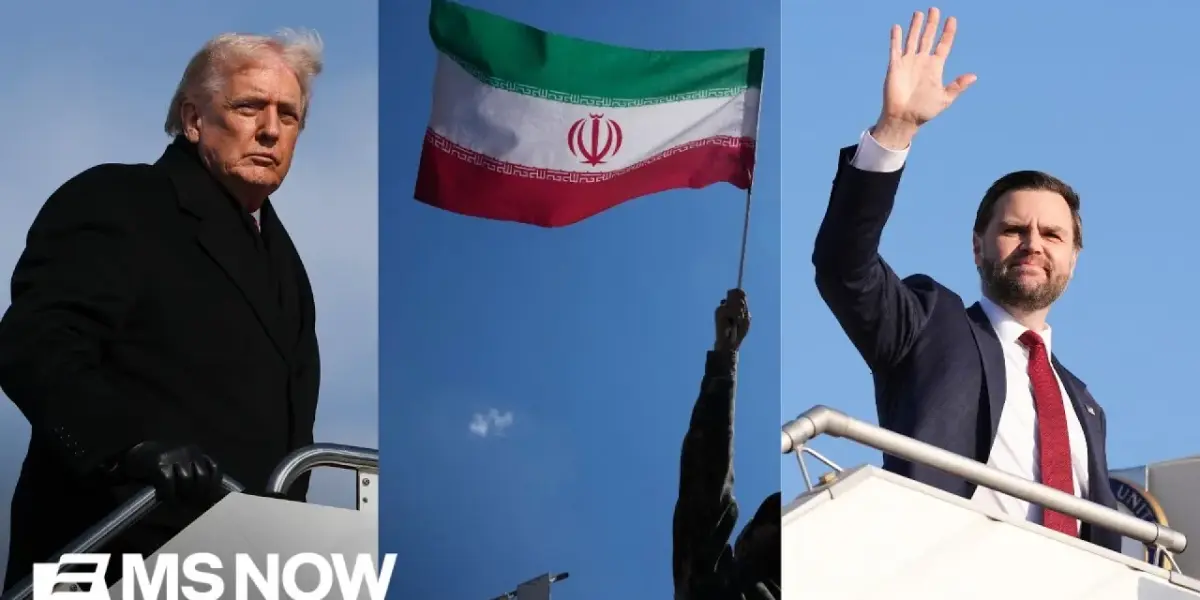
US-Iran Talks Stall Amid Global Economic Fears
Peace talks between the United States and Iran have reached a dead end, with Vice President J.D. Vance and the U.S. delegation leaving Pakistan after more than 21 hours of negotiations without an agreement. Vance stated that Iran was presented with a “final and best offer,” leaving the outcome uncertain.
Adding to the confusion, President Trump prematurely declared victory before the talks concluded, stating, “Regardless, we win. We’ve totally defeated that country.” This sentiment, described as “head-scratching,” highlights the ongoing uncertainty Trump’s actions are causing on the world stage.
Global Economic Fallout and Frustrated Allies
Countries across Europe and the globe are feeling the impact of this conflict, with their economies, energy supplies, and even domestic politics being shaken. The New York Times reports that these nations feel powerless as they watch the U.S. wage a war that disrupts their stability.
This situation is compounded by reports that Trump is considering withdrawing U.S. troops from Europe. This move stems from his frustration with NATO allies for not doing enough to secure the Strait of Hormuz and for not supporting his proposal to acquire Greenland.
IMF Warns of Permanent Hit to Living Standards
Christia Freeland, former Deputy Prime Minister and Finance Minister of Canada, expressed serious concern, echoing the head of the International Monetary Fund (IMF). The IMF warned that even in the best-case scenario, there is a “permanent hit to global living standards.”
Freeland described the situation as a “five-alarm fire,” emphasizing the interconnectedness of the global economy. Decisions made between the U.S. and Iran will affect everyone worldwide. She worries that people are still underestimating the economic consequences, which she calls a “triple whammy”: an inflation shock from energy prices, a growth shock, and limited capacity for nations to cope.
The Triple Whammy Explained
Freeland explained this “triple whammy” as inflation going up while economic growth goes down. This is happening at a difficult time, as countries are still recovering from the economic strain of the COVID-19 pandemic and have less money to spend. Unlike the pandemic, which happened to everyone, the current economic challenges are partly a result of deliberate choices, particularly concerning the conflict with Iran.
“The last time it happened, you had stagflation. This was not pretty,” Freeland noted, referring to a period of high inflation and low economic growth. She contrasted this with the COVID-19 crisis, where global cooperation was key. “Right now it’s so much more of a challenge because inflation is high, but the economy is weakened,” she added.
Erosion of Trust in U.S. Leadership
European leaders are also voicing their concerns. French President Macron criticized inconsistent U.S. policy, stating, “When we’re serious, we don’t say the opposite of what we said the day before.” British Prime Minister expressed frustration over fluctuating energy prices impacting families and businesses, linking them to actions by leaders like Putin or Trump.
Canadian Prime Minister Mark Carney pointed out a shift in international relations, stating, “The days of our military sending 70 cents of every dollar to the United States are over.” Freeland questioned whether the U.S. has lost the trust of its closest allies, countries that have historically stood by America.
Allies Feel Insulted and Undermined
Freeland highlighted the paradox for America’s allies: they admire the U.S. and its role as a global leader since World War II. However, they are now struggling to understand actions like “humiliat[ing] and insult[ing] our leaders” and engaging in “reckless and unnecessary wars without consulting us.” Allies feel reprimanded for not immediately joining these ventures, which they were never consulted about in the first place.
“So to me, it’s actually an incredibly dangerous moment,” Freeland stated. She worries about the future of democracy globally without strong U.S. leadership and the trust of its allies. She urged American friends to “get your act together,” assuring them that allies are eager to work with the U.S. but that current actions make it increasingly difficult.
Fractures with the Global South
The conflict has also worsened a significant fracture between the U.S. and its traditional allies, and a growing divide with the Global South. Freeland noted that while high energy prices are painful for Europe, they are “unbearable right now for Africa and for Asia.”
She recalled her hope that the Global South would support Ukraine against Russia’s invasion, seeing it as a colonial war. However, especially after the war in Gaza, many nations in the Global South perceive Western countries as hypocritical regarding human rights. This perception creates a major challenge in mending relations.
Democracy vs. Authoritarianism: The Deciding Vote
Freeland believes the countries of the Global South will be key in the ongoing struggle between democracies and authoritarian regimes. While she supports democracy, she understands the perspective of countries in Africa and Asia facing high fuel and food prices. It becomes harder for them to see democratic alliances as being on their side when they are struggling economically.
“And I think that is a tragedy,” Freeland concluded. She expressed concern that the U.S. is losing its image as a benevolent superpower and a champion of democracy in the eyes of these nations.
Source: ‘Incredibly dangerous moment’: Trump's Iran war causing global uncertainty as U.S. negotiations fail (YouTube)

Related Articles
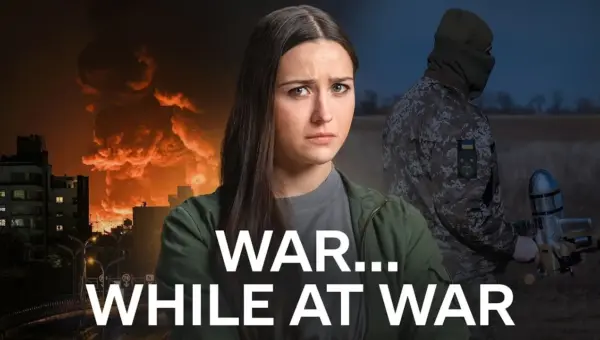
Ukraine Offers Combat Expertise in Middle East War
Ukraine is leveraging its extensive combat experience to offer air defense expertise and drone technology to nations involved in the Middle East conflict. This move aims to forge new alliances, secure economic benefits, and bolster its global standing, despite facing rejections and internal challenges.

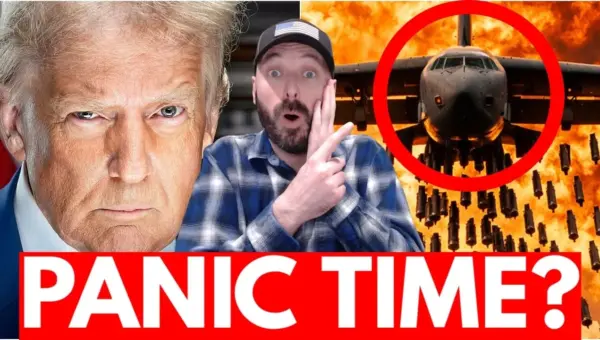
Trump Blocks Iran’s Oil, Bombers Ready for War
Negotiations between the US and Iran have collapsed, leading President Trump to announce a blockade of the Strait of Hormuz. The US Navy is preparing for potential strikes, with bombers loaded and on high alert.

Ukraine Strikes Russian Energy Assets: A New War Tactic
Ukraine is escalating its attacks on Russian energy infrastructure, employing "kinetic sanctions" to pressure Moscow. This strategy aims to cripple Russia's war funding amid stalled peace talks and concerns over allied support.