Trump’s Iran War Plans Spark Outrage, Economic Fears
Reports of the Trump administration planning a ground invasion of Iran, alongside increased troop deployments and war funding requests, are raising alarm. A college student's question about how war costs help him, contrasted with official talking points and economic concerns, highlights a disconnect. This situation raises questions about broken promises, economic impact, and the risk of mission creep in foreign policy.

Trump’s Iran War Plans Spark Outrage, Economic Fears
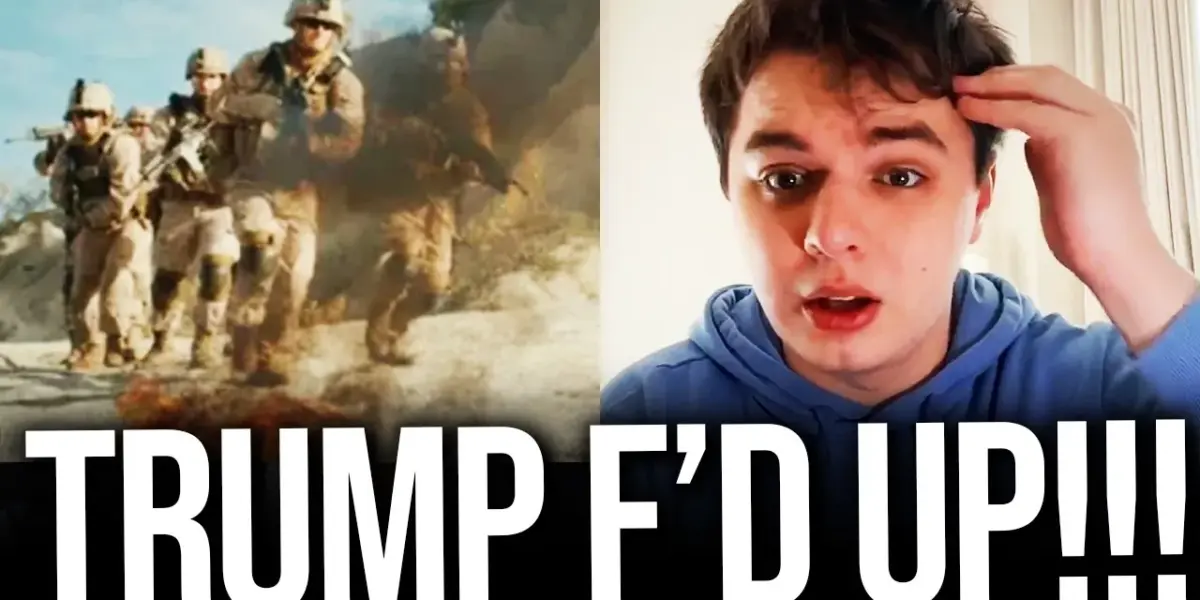
Reports suggest the Trump administration is making serious plans for a potential ground invasion of Iran. This comes as 2,500 more troops are being sent to the Middle East and Congress is asked for $200 billion more for war funding. NBC News reported that the Trump administration is preparing for the possible use of ground troops in Iran. However, the exact details of such a plan, including when or how it might happen, remain unclear.
A Difficult Invasion
Invading Iran presents huge challenges. The country is surrounded by mountains, making its terrain extremely difficult for military movements. Experts describe it as a dangerous, almost impossible mission for ground forces. Yet, reports indicate that Pentagon officials have developed detailed plans for deploying U.S. troops there.
The Voice of the People
Amidst these developments, a college student attending a town hall asked a powerful question that highlights a central concern for many Americans. He explained that he works as a waiter, studies full-time, gets little sleep, and is still in debt. He questioned how a war in a distant country, funded by taxes from his paycheck, could possibly help him. This question struck a chord, as it points to a disconnect between foreign policy decisions and the everyday lives of citizens.
“How is a war in a country half the world away funded by the taxes pulled from my check helping me in any way?”
The response from a Trump administration official, UN Ambassador Mike Waltz, was widely seen as failing to address the student’s core concern. Instead of explaining the direct benefit of the war to the student, the ambassador spoke about various unrelated administration policies.
Economic Woes and Unforced Errors
This discussion about war funding comes at a time of growing economic concern. Investors are predicting that U.S. inflation could rise above 5% in the coming year. The transcript argues that under Trump, the economy has seen rising inflation and gas prices, partly due to tariffs imposed on many countries. This is contrasted with inflation spikes under the Biden administration, which were attributed to global issues like the war in Ukraine and supply chain problems.
The argument is made that actions leading to economic hardship, like increased tariffs and cuts to social programs, are “unforced errors.” This means they are self-inflicted wounds, not caused by external pressures. The student’s question powerfully links these economic struggles to the cost of potential wars.
Broken Promises and Contradictions
A significant point of contention is the perceived contradiction between Trump’s past promises and current actions. The transcript points out that the Trump-Vance ticket ran on a platform of peace and ending “endless wars.” However, the current administration appears to be escalating military involvement in the Middle East. This includes deploying troops and seeking massive war funding, while also sending conflicting messages about the status of the conflict.
For example, Trump has stated the war is winding down while simultaneously deploying more troops and requesting more funding. He has also made contradictory statements about the importance of certain shipping lanes, like the Strait of Hormuz, which are vital for global oil transport. These inconsistencies raise questions about the administration’s strategy and transparency.
Historical Context and Global Reactions
While the U.S. has had troops in various conflict zones under different presidents, the prospect of an aggressive invasion of Iran is seen as a different kind of military action. Historically, the U.S. has engaged in complex foreign policy decisions, but the current situation raises alarms about the potential for wider conflict. Even historically neutral countries like Switzerland are halting military exports to the U.S., citing their neutrality in the context of the Iran conflict. This suggests a growing international unease with the escalating tensions.
The Future Outlook: Mission Creep and Debt
The risk of “mission creep” is a significant concern. This happens when a military operation gradually expands in scope, cost, and duration beyond its original goals. With multiple, potentially conflicting objectives being stated for the current military actions, the likelihood of the mission expanding is high. This could lead to prolonged engagement and increased financial burden on American taxpayers.
The national debt is another critical issue, especially for younger generations. The transcript notes that the U.S. spends $1 trillion annually just on interest payments for its national debt. The student’s question about how war funding helps him is especially relevant when considering how these costs add to the already immense debt that younger Americans will have to manage.
Why This Matters
This situation is critical because it involves potentially life-altering decisions about war and peace, directly impacting American lives and the nation’s financial future. The lack of clear answers to fundamental questions about the necessity and benefit of military action, coupled with economic instability and perceived policy contradictions, raises serious concerns about accountability and democratic representation in foreign policy. The disconnect between the actions of the government and the concerns of ordinary citizens, particularly the younger generation facing economic hardship and national debt, highlights a fundamental challenge to the nation’s governance.
The Unfolding Situation
While White House press secretary Caroline Levit stated that Pentagon preparations are about giving the commander-in-chief “maximum optionality” and don’t necessarily mean a decision has been made, the actions on the ground speak volumes. The continuous deployment of troops and significant requests for war funding suggest a strong push towards military engagement. The public, especially those directly affected by economic policies and potential war costs, deserves clear answers and a voice in shaping foreign policy. The current trajectory, marked by contradiction and economic strain, demands closer scrutiny and public debate.
Source: Trump's war backfire is unthinkable… (YouTube)

Related Articles
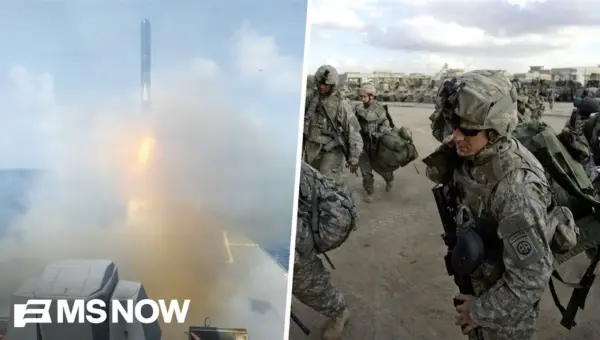
Iran Missile Strikes Injure US Troops, Raise War Concerns
Iranian missile strikes have injured U.S. service members, escalating tensions as the conflict nears one month. The attacks are raising concerns about the effectiveness of U.S. military strategy and the depletion of crucial missile stockpiles. Global oil prices have surged, impacting economies worldwide.
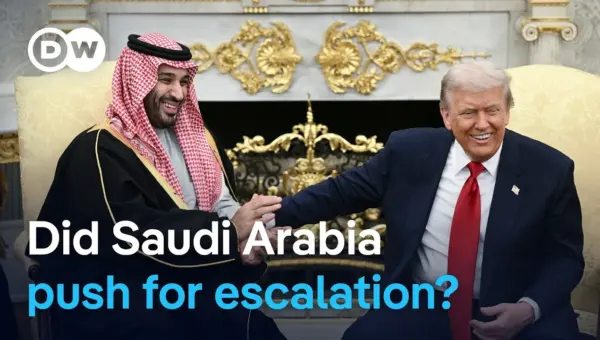
Saudi Arabia Pushes US for Iran War, Report Claims
Saudi Arabia's Crown Prince Mohammed bin Salman has reportedly urged the US to escalate military action against Iran, viewing it as an opportunity to reshape the Middle East. While Saudi officials deny the report, the push comes amid increased Iranian attacks on Saudi oil infrastructure. Experts suggest a complex dynamic where Saudi Arabia seeks US intervention while also managing the risks of regional instability.


Israelis Forge Resilience Amidst Constant Bomb Shelter Drills
Life in Israel is a blend of resilience and constant vigilance, with many families adapting to frequent bomb shelter drills and even sleeping in makeshift shelters. Despite ongoing missile attacks, Israelis strive to maintain normalcy, though businesses face disruption and emotional fatigue is a growing concern.