Trump’s Iran War Meltdown: Allies Abandon, Allies Abandoned
Donald Trump's recent public statements and actions reveal a leader increasingly isolated and erratic amidst the escalating conflict in Iran. From frantic pronouncements aboard Air Force One to a barrage of social media posts attacking institutions and demanding international aid, the situation underscores a significant diplomatic deficit and a growing detachment from reality.

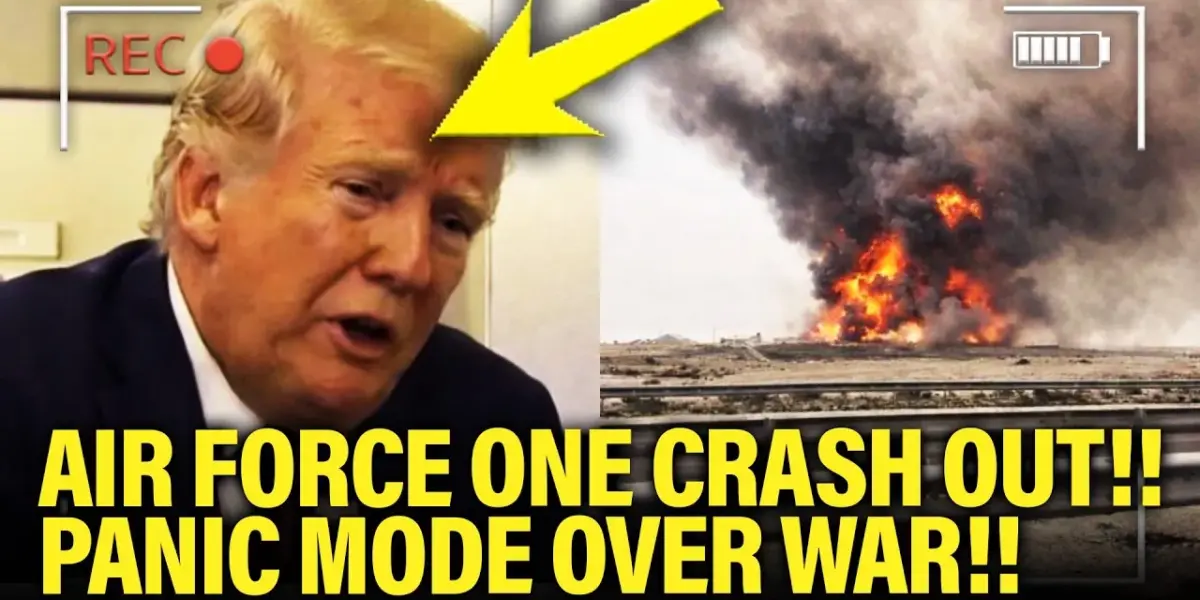
Trump’s Iran War Meltdown: Allies Abandon, Allies Abandoned
The recent actions and pronouncements from Donald Trump regarding the escalating conflict in Iran paint a picture of a leader increasingly isolated and erratic. From the confines of Air Force One to a barrage of social media posts, Trump’s rhetoric reveals a deep-seated frustration with the perceived failures of his administration’s foreign policy, a growing animosity towards the press and judiciary, and a desperate plea for international assistance that appears to be falling on deaf ears.
A Commander in Chief Under Fire
The transcript details a series of highly charged interactions and statements made by Donald Trump concerning the ongoing situation in Iran. On board Air Force One, en route to Washington D.C., Trump reportedly engaged in a furious tirade about a “disastrous and unlawful war in Iran.” This outburst set the stage for a subsequent series of social media posts characterized by attacks on the U.S. Supreme Court and the broader judicial system, which he deemed “unfair” to him and the Republican party. His rhetoric extended to labeling those critical of commentator Mark Levin as “traitors” and threatening media outlets with charges of “treason” for negative reporting on the war.
Adding to the narrative of isolation, Iran’s foreign minister, Mohammad Javad Zarif, publicly dismissed Trump’s claims of engagement in ceasefire negotiations as “delusional.” Zarif stated that Iran was not involved in any such talks and expressed no desire for a deal with the Trump administration, directly contradicting the President’s assertions. This international rebuff, coupled with Trump’s apparent appeals to China and NATO for assistance in the Strait of Hormuz, underscores a significant diplomatic deficit.
The Shifting Sands of Alliances
The analysis suggests a dramatic erosion of international support for U.S. policy under Trump. The transcript highlights Trump’s own past actions, such as his perceived efforts to “coddle Putin and Xi Jinping” and his “betrayal” of traditional allies, as reasons for the current lack of cooperation. Countries that were once considered key partners in regional security appear hesitant, if not outright unwilling, to commit to U.S. objectives in the Strait of Hormuz. This lack of collective action leaves the United States appearing weakened and alone in a volatile region.
The urgency of the situation is further compounded by the strategic implications of Iran’s actions. The transcript points to a potential trap being set in the Red Sea by Houthi rebels, acting on Iran’s behalf, to disrupt shipping routes. This development, occurring while global oil prices surge, suggests a broader, more sophisticated Iranian strategy to leverage regional instability, a strategy that appears to be succeeding in the absence of a unified international front.
A Troubled Domestic Front
Beyond foreign policy, Trump’s domestic pronouncements are equally concerning. His attacks on the Supreme Court, labeling it a “weaponized and unjust political organization,” and his grievances about the courts treating Republicans and himself “unfairly,” reveal a deep distrust of established institutions. His specific complaint about the Federal Reserve chairman not being investigated, even amidst economic challenges exacerbated by his own foreign policy decisions, paints a picture of a leader preoccupied with personal grievances rather than national stability.
The transcript also touches upon a particularly sensitive and controversial issue: the use of images from the dignified transfer of fallen soldiers for political fundraising. Trump’s defense of this practice, coupled with his dismissive attitude towards the reporter and the news organization, further highlights a perceived disconnect from the human cost of conflict and a willingness to leverage national tragedies for political gain.
Historical Context and Future Outlook
The current geopolitical climate echoes historical periods of heightened international tension, where miscalculations and isolation can have profound consequences. The reliance on traditional alliances, once a cornerstone of American foreign policy, appears to be faltering under the current administration. The transcript suggests a strategic misstep in alienating allies while simultaneously demanding their support, a paradox that leaves the U.S. in a precarious position.
The future outlook appears grim if the current trajectory continues. The lack of international consensus on addressing regional threats, coupled with domestic political polarization and a perceived erosion of institutional trust, creates a volatile environment. The transcript implies that Iran, under its current leadership, is capitalizing on this disarray to further its regional influence. The potential for escalating conflict, economic instability due to disrupted trade routes, and a further diminished standing on the global stage are all significant concerns.
Why This Matters
This analysis is crucial because it examines the conduct and rhetoric of a world leader during a period of significant international crisis. The decisions made and the alliances maintained or fractured have direct implications for global security, economic stability, and the United States’ role in the world. The transcript provides a window into the internal workings of the U.S. administration’s response to a complex geopolitical challenge, highlighting potential strategic weaknesses and the consequences of an increasingly isolated foreign policy. Understanding these dynamics is essential for comprehending the present global landscape and anticipating future developments.
The transcript also raises fundamental questions about leadership, the role of the press, and the health of democratic institutions. The accusations of “treason” against media outlets and the attacks on the judiciary are not merely political broadsides; they strike at the heart of democratic discourse and the rule of law. The implications of such rhetoric, if unchecked, could lead to a further fracturing of society and a dangerous undermining of the checks and balances that are essential for a stable democracy.
The narrative presented suggests a leader whose personal grievances and perceived victimhood are overshadowing sound strategic decision-making. The reliance on unsubstantiated claims, such as the assertion that reports of attacks are mere “AI” and the dismissal of critical reporting as “fake news,” points to a potential disconnect from reality. This is particularly concerning when such pronouncements are made in the context of escalating military conflicts and potential global economic disruption.
Ultimately, the situation described in the transcript is not merely about Donald Trump’s personal reactions; it is about the impact of his leadership on international relations, national security, and the very fabric of American democracy. The events detailed serve as a stark reminder of the responsibilities that come with power and the severe consequences that can arise when those responsibilities are perceived to be neglected.
Source: Trump CRASHES OUT on AIR FORCE ONE over DISASTER WAR!!! (YouTube)

Related Articles
U.S. Iran Tensions Rise Amid Shifting Alliances
Rising tensions between the U.S. and Iran are creating a volatile geopolitical situation. With conflicting signals on de-escalation and potential shifts in alliances like NATO and U.S.-Israel relations, the path forward remains uncertain. The global economy and regional stability hang in the balance.

Iran Targets US With Cyberattacks, Escalating Digital Warfare
Iran is increasingly using cyberattacks to challenge the U.S., as seen in a recent hack of the FBI director's account. Experts say this is a strategic shift due to Iran's limitations in conventional warfare. The U.S. needs to strengthen its digital defenses, focusing on encryption and cloud computing, rather than solely relying on traditional security measures.
Protesters Challenge Presidential Power, Ignite Debate
Millions are protesting nationwide under the "No Kings" banner, challenging presidential authority and policies they deem unconstitutional. Organizers emphasize First Amendment rights while debating foreign policy, immigration, and the balance of power.