Trump’s Iran War: MAGA Base Divided Over “No New Wars” Pledge
Donald Trump's promise to end "forever wars" is being tested by the recent US-Israeli strikes on Iran, creating divisions within his MAGA base. While some Republicans support the action, influential MAGA voices are critical, questioning the national security justification and Israel's role. The conflict's potential impact on the economy and rising casualties loom large as mid-term elections approach.

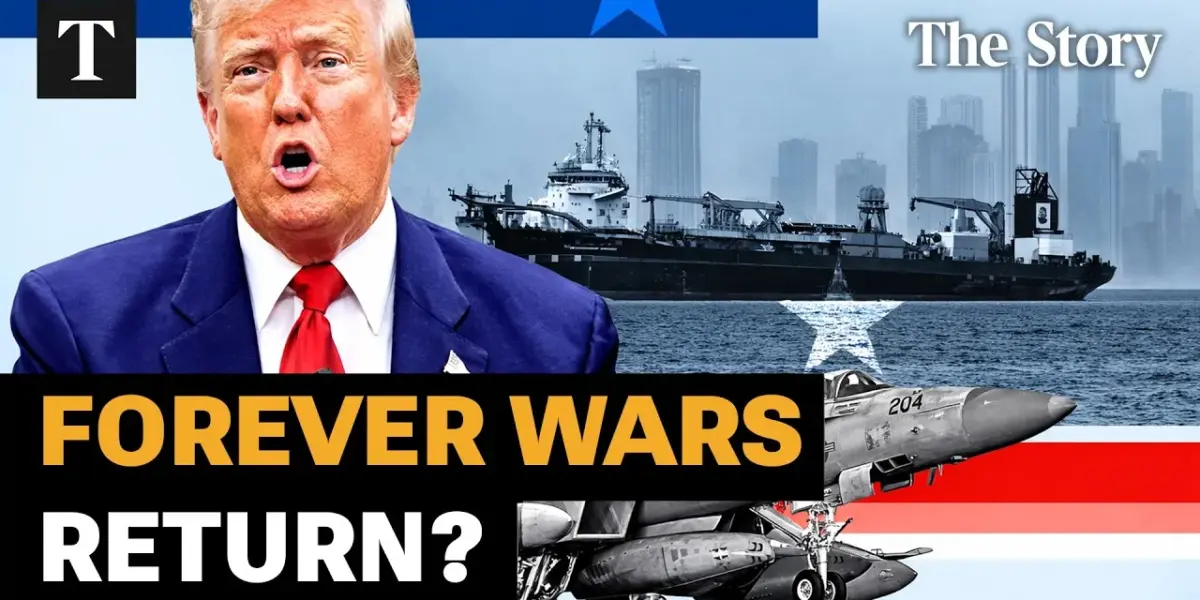
Trump’s Iran Campaign: A Conflict of Promises and Policy
For years, Donald Trump built a significant part of his political identity and appeal on a clear promise to his supporters: an end to “forever wars” and a commitment to keeping America out of new foreign conflicts. This message, consistently delivered at rallies and even in his inauguration speech, resonated deeply with a base weary of prolonged military engagements. However, the recent US-Israeli strikes on Iran have cast a shadow over this core tenet of his platform, raising critical questions about the potential for this conflict to fracture his loyal MAGA following.
A Shifting Republican Landscape
The unfolding situation in Iran has exposed a complex and sometimes contradictory reaction within the Republican party and among its base. While some traditional Republicans and hawkish figures, like Senators Ted Cruz and Lindsey Graham, have publicly backed President Trump, framing the action as a necessary strike against an American adversary, a significant segment of the MAGA base is expressing vocal dissent. Influential voices within this group, including former Fox News host Tucker Carlson, have argued that the conflict is not in America’s national security interest and is being waged at the behest of Israel.
“This happened because Israel wanted it to happen. This is Israel’s war. This is not the United States’s war.” – A critical perspective from within the MAGA sphere.
This divergence highlights a notable realignment within the party. Many long-time Republicans, who may have previously been critical of Trump, are finding themselves in agreement with his actions, seeing Iran as a genuine threat. Conversely, a core group of Trump’s most ardent supporters feel a disconnect between his past rhetoric of non-intervention and the current military engagement.
The “No More Forever Wars” Dilemma
The central tension for the MAGA base lies in reconciling Trump’s consistent promise of “no new wars” with the current military action. As Washington editor and columnist Katie BS of The Times and The Sunday Times observes, there’s a sense of confusion and mixed messaging emanating from official channels. While the administration publicly supports the President, different justifications for the strikes have emerged, ranging from imminent nuclear threats to preemptive action against anticipated Iranian attacks.
This ambiguity is particularly challenging for a base that has historically responded to Trump’s anti-establishment and anti-interventionist stance. The narrative arc of the Republican party over the past two decades, marked by a growing skepticism towards foreign interventionism stemming from the Iraq War, has fueled this sentiment. Figures like JD Vance and Pete Hegseth, who have military experience in the Middle East, have spoken about how their views shifted, leading to an “America First” platform that prioritizes domestic concerns over foreign entanglements.
Metrics for Success and Alarm
For the MAGA base, the metrics for judging the success or failure of this conflict are complex and multifaceted. While some see the action as a necessary response to Iranian aggression, others are deeply concerned about the potential escalation and cost. Factors that could trigger significant alarm and pushback include:
- Rising Casualties: An increase in American lives lost would undoubtedly be a somber moment, prompting serious questions.
- Escalation and “Boots on the Ground”: The prospect of deploying U.S. soldiers on the ground, which Trump has not ruled out, would likely face substantial opposition.
- Economic Impact: Rising oil and gas prices, and the overall cost of the conflict, could directly affect voters, especially with mid-term elections looming.
The economic implications are particularly sensitive, as inflation and the cost of living are already key concerns for the White House and the Republican party ahead of the November mid-terms. If the Iran conflict is perceived to be exacerbating these economic pressures, it could become a significant liability.
Confused Messaging and Shifting Justifications
The messaging from Washington has been characterized by a lack of consistency. President Trump himself has offered varying explanations, from preventing Iran from obtaining nuclear weapons to suggesting he “might have forced their hand” regarding Israeli actions. This “flooding the zone” tactic, as described by some observers, makes it difficult for opponents to gain traction but also contributes to an overall sense of confusion.
The justification for the strikes has shifted, with initial emphasis on nuclear threats later juxtaposed with statements from figures like Senator Marco Rubio suggesting a response to Israeli actions. Trump’s own subsequent remarks, where he suggested he might have “forced their hand” into action, further muddied the waters, leading to backlash from segments of the MAGA base skeptical of Israel’s influence.
The Military’s Role and Internal Dynamics
Secretary of Defense Pete Hegseth has been a prominent voice, framing the operation as a historic success. However, reports of staff departures and funding shifts within the defense department raise questions about the long-term strategy and internal consensus. While many in defense circles may support the action, the mood for open debate appears limited, with a focus on “on-side” individuals remaining in key positions.
Vice President JD Vance, typically a vocal presence, has made fewer public appearances regarding the conflict. His past statements emphasizing Trump’s commitment to avoiding new wars place him in an uncomfortable position. While he has publicly supported the president’s actions, focusing on the limited nature of the conflict and the nuclear threat, his relative quietness compared to other figures like Marco Rubio has been noted, especially given his potential future role in the Republican party.
Looking Ahead: The Midterms and Beyond
The Iran conflict arrives at a challenging juncture for Donald Trump and the Republican party, with the November mid-term elections already appearing difficult. The war’s impact on the economy, potential casualties, and the overarching narrative could significantly influence voter sentiment. While a “rally around the flag” effect is possible, there are currently no signs of it materializing. The lingering shadow of the Epstein scandal also adds another layer of complexity, potentially eroding trust among a portion of the electorate. As the conflict evolves, its domestic political repercussions, particularly among Trump’s core base, will be a critical factor to monitor.
Source: Could Trump Lose MAGA Over Iran? (YouTube)

Related Articles
US War on Iran: Escalation Risks and Global Fallout
As the US war against Iran escalates, alarming reports suggest potential ground troop deployment and the involvement of Russia and China. This analysis delves into the geopolitical risks, economic fallout, and questionable intelligence surrounding the conflict.


Newsom Claims Trump Hides Damaging Files: What’s Inside?
California Governor Gavin Newsom claims former President Trump is actively suppressing documents because they contain damaging information about his personal involvement in 'grifts' and 'economic opportunities.' Newsom posits that Trump fears the 'immovable' impact of these revelations.
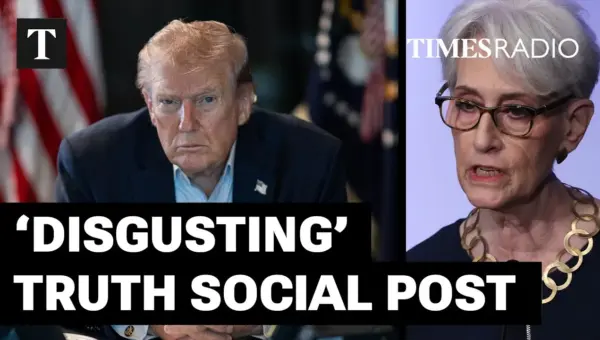
US Official Slams White House Iran War Video as ‘Disgusting’
A top US official, Ambassador Wendy Sherman, has condemned a White House social media video on the Iran conflict as "disgusting." Sherman criticized the video's aggressive tone and highlighted the significant economic and human costs of the escalating tensions.