Trump’s Iran War Lacks Clear Strategy, Experts Warn
Thousands of U.S. troops have been deployed to the Middle East amid ongoing conflict in Iran. Military experts express concern over a lack of clear strategy from the Trump administration, warning of a potential quagmire. Iran's use of asymmetric warfare, like drone attacks, aims to make the conflict too costly for adversaries.


US Deploys Thousands Amid Unclear War Aims in Iran
More than a month into the conflict in Iran, the United States has deployed over 3,500 troops to the Middle East. This significant military movement follows airstrikes on Iran’s capital, Tehran, and comes as the Pentagon prepares for potential ground operations. However, a lack of clear strategy from the Trump administration is raising concerns among military experts about the long-term implications of U.S. involvement.
Troop Buildup Raises Questions About Mission
The U.S. Central Command confirmed the arrival of over 3,500 troops, with reports suggesting additional deployments could bring the total to around 10,000. These forces include elements from the 82nd Airborne Division and Marine Expeditionary units. Retired Lieutenant General Mark Hertling, a decorated Army commander and author, highlighted a critical military principle: the troop-to-task requirement. He explained that any troop deployment must have a clearly defined mission that the number of soldiers can realistically accomplish. Without this, even a large force risks becoming ineffective.
“What we’ve seen so far is kinetic battles, the Air Force and the Navy using ordnance to destroy things. But now we’re talking about potentially a ground campaign, and I’m not sure what that consists of. Does it contribute to an overarching strategy which we still haven’t heard from the president?”
– Lt. Gen. Mark Hertling (Ret.)
Iran’s Asymmetric Warfare Strategy
Nancy Youssef, a staff writer for The Atlantic, discussed Iran’s approach to the conflict, describing it as asymmetric warfare. Unlike the U.S. and Israel, which possess superior weaponry, Iran aims not to win outright but to avoid defeat by inflicting enough damage to make the conflict too costly for its adversaries. Youssef noted that Iran is effectively using drones and other smaller, cheaper weapons systems to sustain its fight and maintain control over key areas like the Strait of Hormuz.
General Hertling drew parallels to his experiences in Iraq, where improvised explosive devices (IEDs) were a key tactic for insurgents. He sees Iran’s current use of drones as a modern equivalent, posing significant challenges to U.S. and Israeli forces. While the U.S. and Israel can launch overwhelming force, Iran’s strategy allows its regime to remain intact, prolonging the conflict.
Defining ‘Winning’ Remains Elusive
A central criticism leveled by experts is the absence of a clearly defined objective for the war. President Trump’s definition of victory has reportedly shifted multiple times, leaving military leaders and the public uncertain about the ultimate goals. General Hertling warned that without a defined mission, pouring more troops into the operation risks creating a quagmire, a situation the U.S. has experienced in past conflicts.
The short attention span of the American public is another factor. If the conflict becomes protracted, costly in terms of casualties, or economically damaging, public support could wane rapidly. Iran’s strategy appears designed to exploit this, aiming to exhaust U.S. and Israeli resolve over time.
Stalemate and Future Implications
Both sides face significant risks if the war ends without a clear resolution. For the U.S. and Israel, an intact Iranian regime could use any respite to rebuild its military capabilities, including ballistic missiles and drone technology, potentially necessitating future intervention. For Iran, the war has already become costly, but ending it now leaves them vulnerable to future attacks.
Youssef and Hertling agreed that neither side is currently in a position where a swift resolution is advantageous. The calculation is that continuing the fight, despite the costs, is currently the preferred option for both. The complexities of the situation, including the role of Israel, suggest the conflict’s trajectory remains uncertain.
Looking Ahead
As the conflict continues, the focus will likely remain on whether the Trump administration can articulate a coherent strategy with achievable goals. The effectiveness of Iran’s asymmetric tactics and the U.S. public’s tolerance for a prolonged engagement will be critical factors in shaping the war’s future. The potential for escalation, particularly concerning the Strait of Hormuz, also remains a significant concern.
Source: No plan for thousands of deployed troops: Ret. Army Commander on Trump’s lack of military strategy (YouTube)

Related Articles

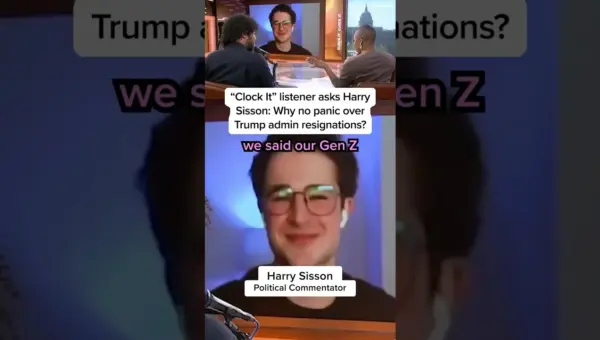
Gen Z Pundit Questions Trump Admin’s Quiet Resignations
Gen Z political commentator Harry Sisson discussed why the public isn't panicking over Trump administration resignations during a 'Clock It' episode. He suggested daily economic worries overshadow government personnel changes. The conversation highlighted the disconnect between political events and public's immediate concerns.

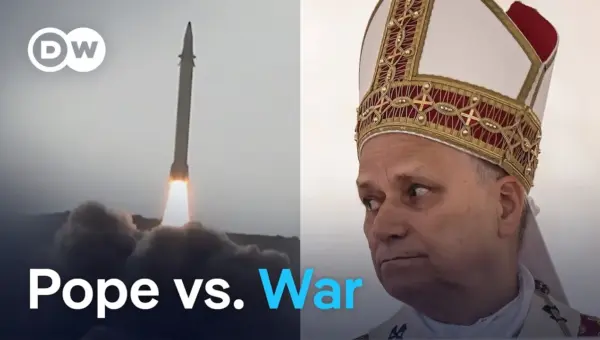
Pope Rejects Prayers of War Leaders, Urges Peace in Iran Conflict
Pope Leo delivered a forceful message during Palm Sunday Mass, stating that God rejects the prayers of those waging war, particularly in the context of the ongoing conflict with Iran. His words serve as a moral counterpoint to religious justifications for military action, drawing on a tradition of papal calls for peace.

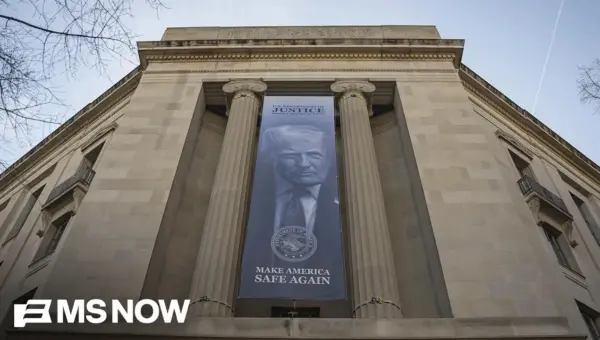
Trump DOJ Antitrust Probe Echoes Watergate Scandal
A sweeping investigation into the Trump administration's Justice Department is drawing parallels to the antitrust roots of the Watergate scandal. Allegations suggest improper influence and threats were used to push through major corporate mergers, including those involving Hewlett-Packard/Juniper Networks and Live Nation/Ticketmaster. Key figures like Mike Davis are at the center of the controversy, accused of leveraging White House access to sway regulatory decisions.