Trump’s Iran War Hits Snag: Gas Prices Soar, Allies Fume
President Trump's war in Iran enters its 27th day with rising gas prices and Wall Street turmoil. Despite Iran rejecting his terms, the President appears more focused on domestic issues like pen quality than the escalating conflict. Allies and military officials express concern as the Pentagon prepares for potential escalation.

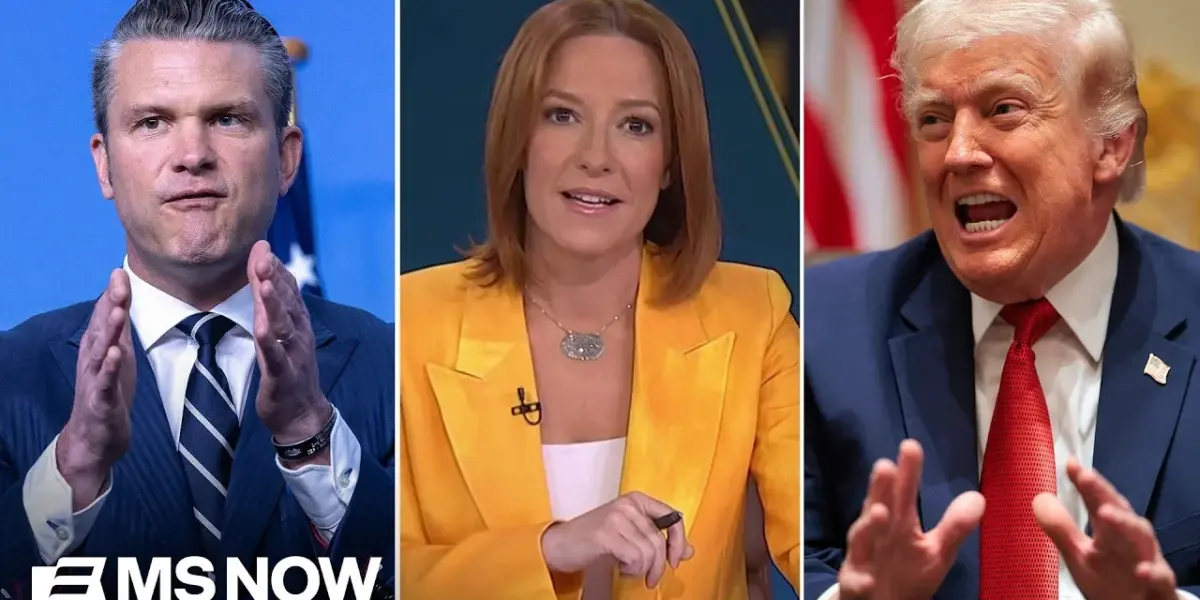
Trump’s Iran War Sparks Crisis: Gas Prices Jump, Allies Express Outrage
The ongoing conflict initiated by President Trump in Iran has entered its 27th day, triggering a significant crisis for Americans. Gas prices have surged by a full dollar per gallon in just the last month, a noticeable impact felt at the pump. Wall Street experienced its worst trading day since the war began, reflecting growing economic anxieties. Meanwhile, Iran has outright rejected President Trump’s terms for ending the conflict. Adding to the administration’s troubles, even Republican lawmakers are reportedly angered by the lack of clear information regarding the war during recent briefings on Capitol Hill.
Presidential Focus Shifts Amidst War Concerns
Amidst this escalating crisis, President Trump convened a cabinet meeting today. Normally, such a meeting would focus on the war launched four weeks prior, its consequences, and strategies for its swift conclusion. However, the President’s attention was notably diverted. Instead of addressing the war, his focus was intensely fixed on a seemingly minor issue: the quality of pens used in the White House.
The President spent over four minutes discussing pens, highlighting their cost and writing quality. He even shared an anecdote about a pen that lacked ink, emphasizing its poor performance. This extended discussion on pens, far from being a planned segment of his remarks, occupied a significant portion of the meeting, drawing criticism for its misplaced priority.
This prolonged focus on pens, rather than the pressing war effort, has raised questions about the administration’s priorities. When President Trump eventually turned his attention back to the war, his demeanor reportedly showed less urgency and passion compared to his earlier discussion about the pens. This contrast has fueled speculation about his true engagement with the conflict he initiated.
Iran Rejects Terms, Trump Extends Deadline
Iran has categorically rejected President Trump’s offer to end the war, a development that has surprised many. The President had set a deadline for Iran to reopen the Strait of Hormuz, threatening to attack civilian infrastructure if they failed to comply. However, late today, President Trump announced an extension of this deadline by ten days, indicating a desire to negotiate a deal.
This extension and the apparent need to negotiate seem to contradict the administration’s narrative that Iran is desperate for a deal. Reports suggest President Trump wants the public to believe the war is effectively over and that victory is imminent. He frequently states that he is merely tying up loose ends. However, behind the scenes, President Trump has reportedly told aides he wants the war concluded according to his original timeline, within the next two weeks, suggesting he is growing tired of the conflict.
Shifting Priorities: Midterms and Presidential Boredom
Sources familiar with the matter revealed to The Wall Street Journal that President Trump’s attention has, at times, shifted to other topics, including the upcoming midterm elections. He has reportedly told associates that the war is distracting him from his other priorities. This suggests a growing sense of boredom with the conflict, leading him to desire a focus on other political matters, such as the midterms or even the quality of pens.
This pattern of reversing decisions when faced with public disapproval or when things become inconvenient is not new. President Trump’s habit of altering his own policies, such as his tariffs, has earned him the informal acronym TACO, meaning “Trump Always Chickens Out.” However, the current war in Iran presents a more complex challenge, as it involves multiple stakeholders with significant leverage, including Iran itself and Israel. The outcome and duration of this war are not solely within President Trump’s control.
Pentagon Prepares for Escalation Amidst War Fatigue
Despite President Trump’s apparent desire to end the war quickly, reports indicate that military officials are preparing for a prolonged and potentially larger conflict. The Pentagon is reportedly considering sending an additional 10,000 troops to the Middle East. Furthermore, some U.S. officials suggest the administration is planning a significant escalation, potentially including ground forces and operations deep inside Iran aimed at securing enriched uranium.
These preparations point towards a much longer and more costly engagement, not only in financial terms but, more importantly, in terms of American lives. Simultaneously, concerns are rising about the economic impact, with projections suggesting oil prices could reach $200 a barrel, a drastic increase that would severely affect the U.S. economy. In a further complication, the Pentagon is reportedly considering diverting weapons intended for Ukraine to the Middle East to replenish depleted U.S. munitions stocks.
Iran Emboldened, Strait of Hormuz Remains Contested
The conflict has seemingly emboldened Iran. Hardliners within the regime are reportedly increasing calls for the country to develop nuclear weapons. Iran is also operating the Strait of Hormuz as a de facto toll booth, controlling passage and charging fees for ships. This assertion of control over a critical global passageway highlights Iran’s strengthened position.
Despite these developments, President Trump has downplayed the significance of Iran’s actions. He recently revealed a “mystery present” from Iran: a commitment to allow eight boats of oil to pass through the Strait of Hormuz without incident. This offer, which was later increased to ten boats, is a stark contrast to the roughly 110 ships that passed through the strait daily before the war without issue. The President’s celebration of this minor concession has been met with skepticism, especially given his earlier threats.
Public Discontent and a War Beyond Presidential Whim
President Trump’s assertion that the U.S. does not need the Strait of Hormuz, despite rising gas prices affecting most Americans, underscores a disconnect from public sentiment. A recent Fox News poll indicates that 59% of Americans disapprove of President Trump’s job performance, his lowest rating to date. Voters also disapprove of his handling of the Iran war by a significant margin of 28 points.
While President Trump may wish to move on from the war, the reality is that conflicts are not as easily resolved as trade tariffs. The situation in Iran involves complex geopolitical factors and multiple stakeholders whose decisions will shape the war’s trajectory. The coming days will reveal whether President Trump can extricate himself from this costly conflict or if his administration is indeed preparing for a deeper, more protracted engagement.
Source: Psaki: Trump can't TACO out of Iran (YouTube)

Related Articles

MAGA Voters Divided Over Potential Iran War
The potential for a US war with Iran has sparked debate at CPAC, revealing a divided MAGA base. While some support military action, many express concerns over prolonged conflicts and rising economic costs, particularly higher gas prices.
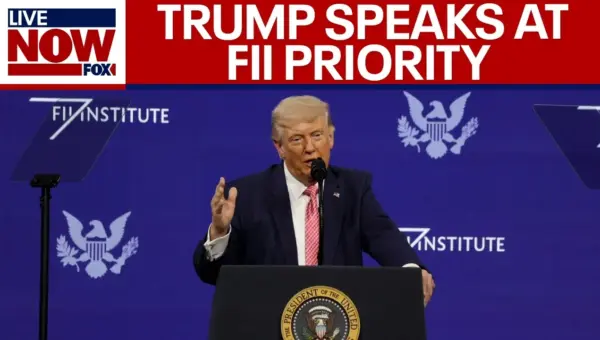
Trump Boasts Military Might, Slams Iran at Investment Summit
Former President Donald Trump spoke at the FII Priority Summit, detailing his administration's assertive stance against Iran and emphasizing the strength of the U.S. military. He claimed credit for dismantling Iran's military capabilities and preventing its nuclear ambitions. Trump also criticized NATO while praising Middle Eastern allies and touched on domestic issues like border security.


Iranian-American Comedian Uses Humor to Bridge Divides
Iranian-American comedian Max Amini is using his sold-out shows and growing platform to foster understanding amidst the ongoing war with Iran. He recently made history headlining Madison Square Garden, where he broke his usual silence on politics to address the protests within Iran. Amini aims to bridge cultural divides and challenge misconceptions about his heritage through humor and authentic storytelling.