Trump’s Iran War Fuels MAGA Coalition Divide
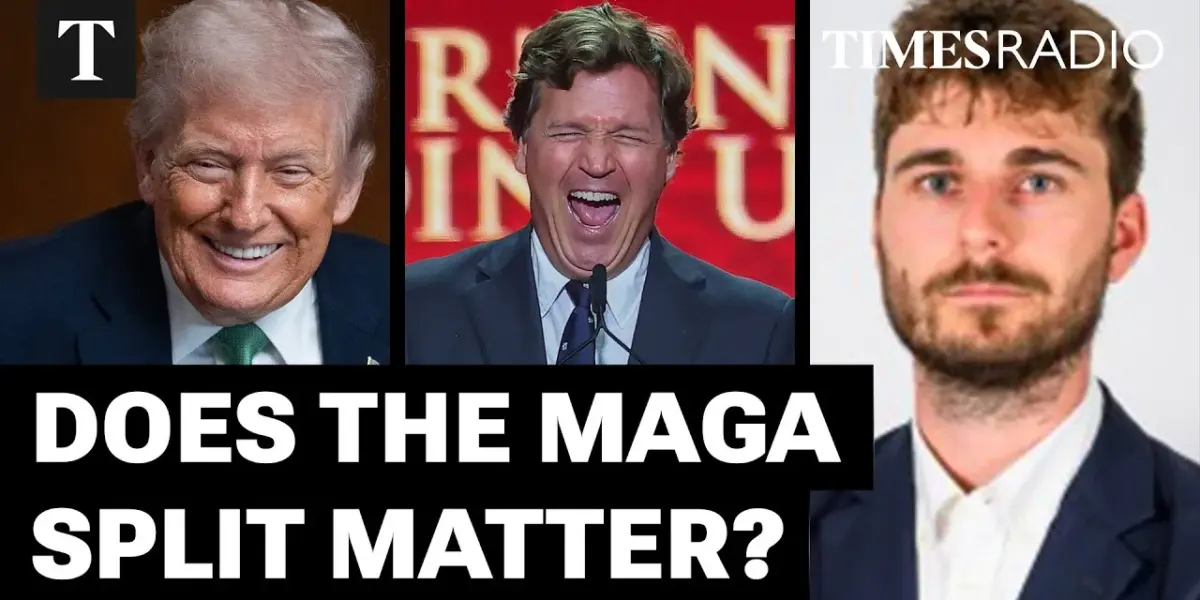
Conflicting intelligence reports regarding Iran's nuclear program are fueling internal divisions within the MAGA coalition. Director of National Intelligence Tulsi Gabbard's testimony contradicted President Trump's justification for military action, highlighting a growing rift. Analysts suggest Trump may be prioritizing his legacy over domestic concerns, leading to a complex political landscape.

Intelligence Discrepancies Emerge in Iran War Justification
Tensions are simmering within the MAGA coalition over President Trump’s decision to engage militarily with Iran. A key point of contention stems from conflicting intelligence assessments regarding Iran’s nuclear capabilities. During a congressional hearing, Director of National Intelligence, Tulsi Gabbard, presented a statement that, when read aloud, omitted a crucial detail: there was no intelligence suggesting Iran was rebuilding its nuclear program after strikes last July. This directly contradicted President Trump’s public statements about an imminent nuclear threat from Iran, which have served as a primary justification for the military action.
Gabbard, a former Democrat who joined the Republican party partly due to her opposition to foreign military intervention, found herself in a difficult position. Her campaign had previously included slogans like “no to war in Iran,” making her current role in an administration waging war there personally challenging. The discrepancy between her written statement and what she verbally conveyed to senators highlighted the internal divisions and the pressure to align with the President’s narrative.
Conflicting Statements and a Quest for Legacy
The situation is further complicated by President Trump’s own inconsistent statements. He has claimed that Iran’s nuclear facilities were “obliterated” by strikes, yet simultaneously warned of an imminent nuclear threat. This apparent contradiction, described as “having your cake and eating it too,” has fueled questions about the true motivations behind the conflict.
Analysts suggest that President Trump may be prioritizing his personal legacy over domestic concerns like the upcoming midterms. With only a limited time left in office, there is speculation that he is using these final years to pursue ambitious foreign policy goals, such as regime change in Iran and Cuba, aiming to reshape the global map with his signature. This approach marks a departure from his earlier “America First” rhetoric, which often favored isolationism.
His actions are also seen by some as being influenced by a sense of invincibility following a perceived successful operation in Venezuela. This feeling, coupled with a long-standing desire to confront Iran, may have led to a hasty decision without a clear exit strategy. The current situation in the Strait of Hormuz, with disruptions to oil flow, presents a challenge in finding a way to de-escalate the conflict.
Strains Within the MAGA Tent
The war in Iran has exposed significant fissures within the MAGA coalition itself. Prominent figures like broadcaster Tucker Carlson and former Congresswoman Marjorie Taylor Greene have openly questioned President Trump’s judgment, suggesting he is following Israeli Prime Minister Benjamin Netanyahu’s lead. Others, like Joe Kent, who resigned from the White House, have directly blamed Israel for influencing Trump’s decision to go to war.
These internal debates have, at times, strayed into controversial territory, with fringe figures like Nick Fuentes appearing alongside Carlson and sparking backlash. The discussions highlight a growing unease within a segment of the Republican base regarding the U.S. relationship with Israel and the direction of foreign policy.
Politically, this dissent could be serious for the President. While these critics are unlikely to vote Democrat, their disengagement or loss of interest could impact voter turnout, especially if public opinion trends downwards. However, the central question remains whether President Trump is concerned about these internal divisions, given his past actions and his focus on achieving his desired legacy.
The Succession Question and Future Political Landscape
The ongoing conflict and the resulting internal tensions also raise questions about who will succeed President Trump. Figures like JD Vance, often seen as an isolationist, find themselves in an awkward position, needing to criticize the war without overtly opposing the President. This has allowed others, like Tucker Carlson, to gain prominence by voicing anti-war sentiments.
There is speculation that Tucker Carlson might even consider a presidential run, following a path previously taken by other media personalities entering politics. This potential shift in the political landscape could influence the Republican party’s future direction, with a growing divide between interventionist and isolationist factions.
President Trump, despite his age, appears driven by a desire for historical significance, perhaps even a Nobel Peace Prize. Foreign policy is seen as a key avenue for him to achieve this, but it also fuels the jockeying for position among potential successors within the Republican party. The idea of President Trump seeking a third term, though constitutionally prohibited, has been floated as a way to consolidate his power, a theme he may revisit if his authority wanes.
Ultimately, the conflict in Iran has become a focal point for internal Republican debates about foreign policy, legacy, and the future leadership of the party. The President’s actions and the reactions within his base suggest a period of significant political maneuvering ahead.
Source: Tensions Rise In The Maga Coalition But Trump May Not Even Care | George Grylls (YouTube)

Related Articles

G7 Allies Clash Over Iran War Strategy, Urge Focus on Russia
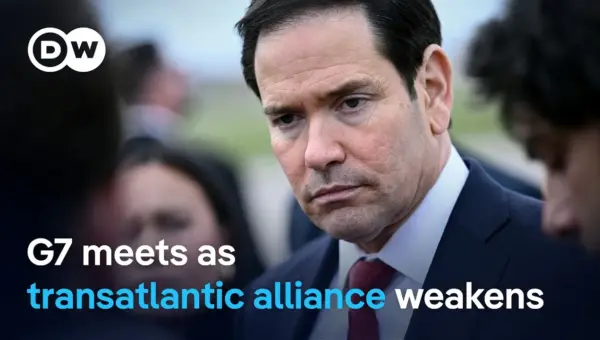
G7 foreign ministers met in Paris, revealing deep divisions over the U.S. war with Iran. European allies urged the U.S. to pressure Russia, linking its actions to the conflict and fearing support for Ukraine will wane.
Trump’s “Walk Away” Tactic Signals Tougher Stance on China
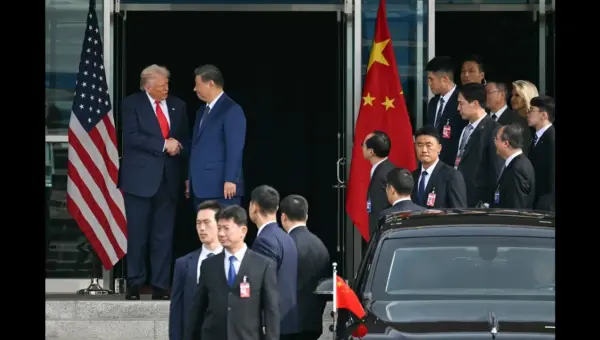
Retired Air Force Brigadier General David Stillwell believes President Trump's strategy of being willing to walk away from negotiations puts pressure on China. This tactic, combined with US global actions and strengthened alliances, signals a more assertive American foreign policy.

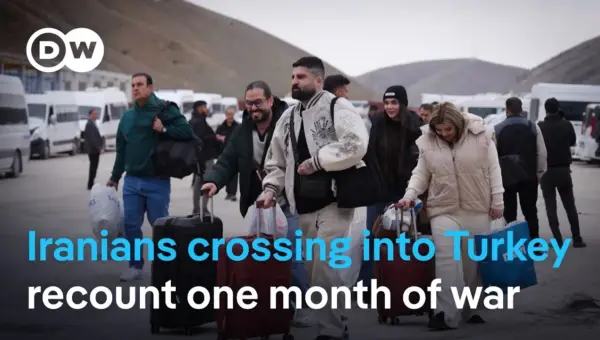
Iran War Exodus: Refugees Flee to Turkey Amidst Bombings
A train from Tehran brings refugees to Turkey, fleeing daily bombings and economic collapse. Many express deep fear for loved ones left behind, while some hold onto national pride and hope for victory. The conflict's impact is also felt economically in Turkey, with rising gas prices.