Trump’s Iran War Fuels Inflation, Strains Alliances
Donald Trump's recent military actions in Iran are being blamed for a significant rise in U.S. inflation and increased gas prices, impacting consumer confidence. The conflict has also strained relationships with key international allies, leading to diplomatic friction and questions about the future of alliances like NATO.

Trump’s Iran War Triggers Economic Woes, Diplomatic Friction
In a significant development, former President Donald Trump’s recent military actions in Iran have been directly linked to a surge in U.S. inflation and growing tensions with international allies. The conflict, initiated without broad consultation, has led to increased energy costs, impacting consumer prices and straining relationships with key global partners, according to recent analyses.
Economic Fallout: Rising Prices and Consumer Confidence
The economic consequences of the conflict are becoming increasingly apparent. Gas prices have reportedly climbed nearly 40% since the fighting began, contributing to a substantial rise in the Consumer Price Index (CPI) in March. This marks the largest monthly increase in the CPI since June 2022, a period that coincided with the peak of post-pandemic inflation.
These soaring energy costs are not isolated incidents. They are part of a broader pattern of rising prices that began with previous policy decisions, such as the imposition of tariffs. Experts note that these economic pressures are hitting American consumers hard, with a recent report indicating that U.S. consumer confidence has fallen to an all-time low. Americans now anticipate inflation to climb further, suggesting a deepening economic concern.
“The Iranians don’t seem to realize they have no cards other than a short-term extortion of the world by using international waterways. The only reason they are alive today is to negotiate.”
Donald Trump
Strained Alliances and Diplomatic Challenges
Beyond domestic economic concerns, the conflict has also created significant friction with traditional U.S. allies. Reports suggest that NATO leaders are growing weary of Trump’s unpredictable approach and his rhetoric concerning the alliance. Comments from leaders like British Prime Minister Keir Starmer and French President Emmanuel Macron indicate a deep frustration with Trump’s inconsistent messaging and his questioning of NATO’s commitment.
These diplomatic challenges are compounded by the fact that many NATO allies were not consulted before the initiation of the Iran conflict and subsequently declined to participate. This lack of coordination has led to a perception among European leaders that the U.S. under Trump is no longer acting as a reliable leader of the free world. The situation is further complicated by Trump’s administration reportedly considering plans to penalize NATO members deemed unhelpful during the recent conflict.
Internal Opposition and Negotiation Efforts
Adding another layer to the complex situation, reports indicate internal dissent within the Trump administration regarding the war. Vice President JD Vance, who is reportedly headed to Pakistan to aid in negotiations, has privately voiced opposition to the conflict for weeks. This internal division, coupled with the precarious negotiating position the U.S. finds itself in, raises questions about the administration’s strategy and its ability to achieve a favorable outcome.
As negotiations commence, Iran has presented new demands, including the release of blocked assets and the inclusion of Lebanon in any truce. The continued closure of the Strait of Hormuz, a vital global shipping route, further underscores the leverage Iran holds and the challenging diplomatic landscape ahead. The situation highlights a stark contrast between Trump’s stated goals of toppling the Iranian government and the current reality of Iran potentially enriching itself through tolls on ships passing through the strait.
Broader Implications and Future Outlook
The ongoing conflict and its ripple effects extend beyond immediate economic and diplomatic concerns. It raises questions about the long-term stability of global energy markets and the future of international alliances. The situation in Iowa, where a congressional race is becoming a referendum on Trump’s policies, illustrates how these national and international issues are directly impacting local politics and voter sentiment.
As the situation unfolds, attention will remain focused on the negotiation outcomes in Pakistan, the continued impact on global energy prices, and the evolving dynamics within NATO. The coming weeks and months will be critical in determining whether diplomatic solutions can be found and if the current trajectory of economic strain and diplomatic friction can be altered.
Source: The Last Word with Lawrence O'Donnell – April 10 | Audio Only (YouTube)

Related Articles
MAGA Elite Rebel: Trump Battles His Own Loyalists
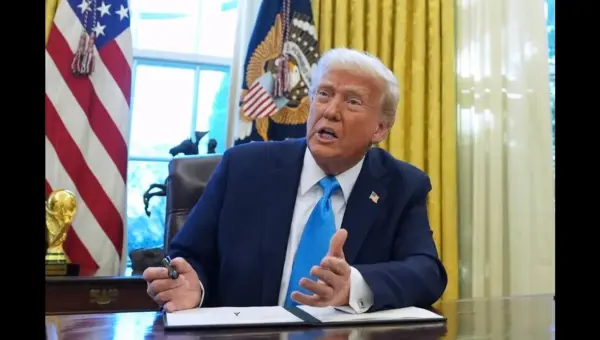
Donald Trump is facing a revolt from his own MAGA elite, including figures like Tucker Carlson and Alex Jones. The conflict erupted after Trump's comments on potentially threatening Iranian civilians, which even his loyalists found unacceptable. This internal dissent, backed by data from his own social media, signals potential cracks in his base.

Artemis II Splashdown Signals US Space Race Dominance
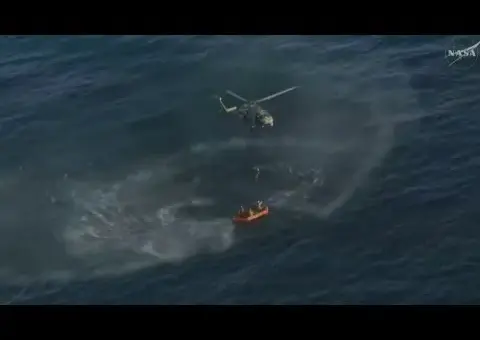
The Artemis II mission's precise splashdown highlights NASA's space exploration leadership and the U.S. commitment to returning to the Moon. This success reinforces America's position in a renewed global space race.
Economy Crumbles: Pawn Shops and Egg Prices Tell a Grim Tale
Rising pawn shop loans and high interest rates reveal widespread financial struggle. Despite claims of economic stability, falling consumer confidence and soaring energy prices suggest a grim reality for many Americans. The focus on minor price drops like eggs fails to mask deeper economic distress.