Trump’s Iran War Fuels Global Chaos, Exposes White House Cracks
President Trump's "quick excursion" into conflict with Iran has unleashed a torrent of global chaos, marked by economic turmoil, strategic ironies, and visible cracks within the White House. The administration's handling of the crisis reveals a pattern of underestimation and a lack of preparedness, with far-reaching consequences for international stability and domestic security.

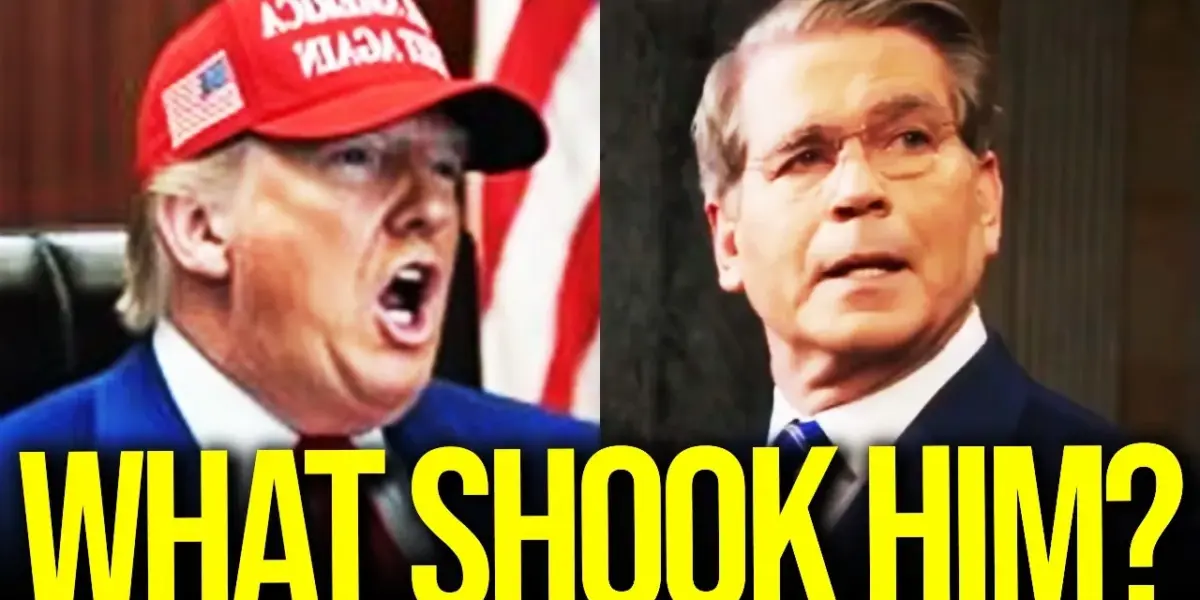
Trump’s Iran War Fuels Global Chaos, Exposes White House Cracks
In a rapidly escalating global crisis, the Trump administration’s recent military engagement with Iran, termed a “quick excursion” by the former president, has plunged the world into a state of heightened chaos. Weeks into the conflict and with billions of dollars already expended, the repercussions are rippling across international markets, domestic stability, and even the internal dynamics of the White House. This analysis delves into the unfolding situation, examining the contradictions, the economic fallout, and the strategic missteps that appear to define this new phase of global instability.
A Treasury Secretary’s Visible Distress
The human element of this unfolding crisis was starkly illustrated during a recent interview with Treasury Secretary Scott Bessant. Mid-interview, Bessant was abruptly summoned to meet with President Trump, only to return visibly shaken. The change in his demeanor – audible and observable – suggested a severe dressing-down or a deeply unsettling revelation from the President. This incident, more than any policy announcement, offered a glimpse into the potential internal turmoil and pressure cooker environment within the administration as the Iran conflict deepens.
Economic Repercussions and Strategic Ironies
The economic consequences of the Iran conflict are already severe. The administration’s decision to lift sanctions on Russian oil currently at sea, initially aimed at easing energy prices amidst the war, has created a complex web of ironies. Russia, now able to ship oil to global buyers, is reportedly earning billions daily. This revenue, critics argue, is then being utilized to fund Iran’s operations, including targeting U.S. service members. This situation presents a paradoxical scenario where American actions, intended to counter aggression, inadvertently provide the financial wherewithal for adversaries.
The broader economic landscape is equally precarious. Soaring oil prices, exacerbated by the closure of the Strait of Hormuz—a direct consequence of the conflict—are triggering a stock market meltdown. The cost of servicing the national debt has reached staggering levels, exceeding both military and social security budgets. Against this backdrop, initiating a new war, particularly one with such immediate and far-reaching economic implications, appears to many as a fiscally irresponsible gamble.
A Web of Contradictions
The strategic landscape is marked by profound contradictions. Ukraine, an ally, is reportedly assisting the U.S. with Iranian drones derived from the conflict that the U.S. initiated. Simultaneously, the U.S. is easing sanctions on Russia due to the oil market fallout from the Iran war. Russia, in turn, is providing Iran with medical aid and intelligence, further complicating the geopolitical calculus. The narrative becomes even more convoluted when considering that Donald Trump remains critical of Ukraine’s war with Russia, even as U.S. policy appears to be inadvertently bolstering both Russia and Iran.
Domestic Echoes of Global Conflict
The global chaos has tangible domestic consequences. The recent attack at a Michigan synagogue, carried out by an individual who had lost family members to Israeli airstrikes in Lebanon, underscores how the conflict in the Middle East can radicalize individuals and incite violence far from the front lines. This incident highlights the interconnectedness of global events and their potential to manifest as domestic threats, particularly when fueled by perceived grievances and political instability.
Underestimation and Lack of Planning
A significant revelation from classified briefings suggests a critical failure in foresight. Top Trump administration officials reportedly acknowledged that they significantly underestimated Iran’s willingness to close the Strait of Hormuz in response to U.S. military strikes. This lack of preparedness for a predictable consequence of initiating conflict in the region raises serious questions about the strategic planning and risk assessment within the White House. Critics point out that the consequences of closing the Strait of Hormuz should have been an obvious consideration, and the failure to plan for tens of thousands of Americans trapped in the Middle East, the intelligence leaks leading to service member deaths, and the absence of a clear de-escalation strategy further compound these concerns.
Financial Punditry and Public Peril
The public discourse surrounding the economic ramifications of the conflict has also drawn criticism. Jim Cramer, a prominent financial commentator, suggested that Iran would not negotiate unless its infrastructure and finances were targeted, advocating for a more aggressive military approach. His analogy to Hanoi, however, overlooks the complex and ultimately unsuccessful nature of the Vietnam War for the U.S. More critically, his perspective fails to acknowledge the catastrophic impact that $200-a-barrel oil would have on the average American. At a time when many households struggle to afford unexpected expenses, such a price surge would be economically devastating for the vast majority of the population.
The White House Under Pressure
The incident with Secretary Bessant, coupled with the administration’s contradictory messaging and apparent strategic missteps, paints a picture of a White House under immense pressure. The assertion that the “Iranian mission is proceeding well ahead of schedule” and the unusual personal endorsement of military leadership by officials, citing trust in the military to protect their own children, are seen by some as desperate attempts to project stability amidst growing evidence of chaos. These efforts, however, are met with skepticism, particularly given the visible distress of officials and the clear global repercussions of the administration’s actions.
Why This Matters
The current situation represents a critical juncture where geopolitical miscalculations are directly impacting global economic stability and national security. The apparent lack of a coherent strategy in the Iran conflict, coupled with the paradoxical support for adversaries through oil sanctions relief, highlights a dangerous pattern of decision-making. The economic fallout threatens to destabilize not only international markets but also the financial well-being of ordinary citizens worldwide. Domestically, the potential for radicalization and violence, as evidenced by the Michigan synagogue attack, underscores the far-reaching consequences of escalating international tensions.
Implications, Trends, and Future Outlook
The implications of this unfolding crisis are profound. We are witnessing a trend towards increased global volatility, driven by a combination of regional conflicts and unpredictable foreign policy decisions. The economic interdependence of nations means that a conflict in the Middle East, even one initially framed as a limited engagement, can have cascading effects on energy markets, supply chains, and consumer prices across the globe. The future outlook suggests a continued period of uncertainty, with the potential for further escalation if diplomatic solutions are not prioritized and if strategic planning remains inadequate.
Historical Context and Background
The current events echo historical patterns of intervention and unintended consequences in the Middle East. The region has long been a focal point of geopolitical competition, with past conflicts often leading to prolonged instability and the rise of new threats. The current administration’s approach, characterized by a blend of aggressive military action and seemingly contradictory economic policies, risks repeating the mistakes of the past. The emphasis on military solutions without clear end goals or robust de-escalation strategies has historically proven to be a recipe for protracted conflict and increased regional instability.
Source: Trump Yells At MAGA Stooge As Everything Collapses (YouTube)

Related Articles
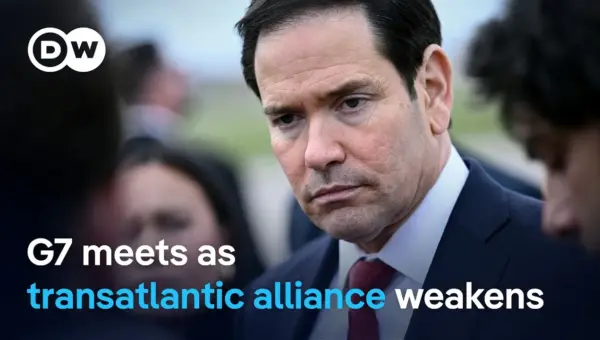
G7 Allies Clash Over Iran War Strategy, Urge Focus on Russia
G7 foreign ministers met in Paris, revealing deep divisions over the U.S. war with Iran. European allies urged the U.S. to pressure Russia, linking its actions to the conflict and fearing support for Ukraine will wane.

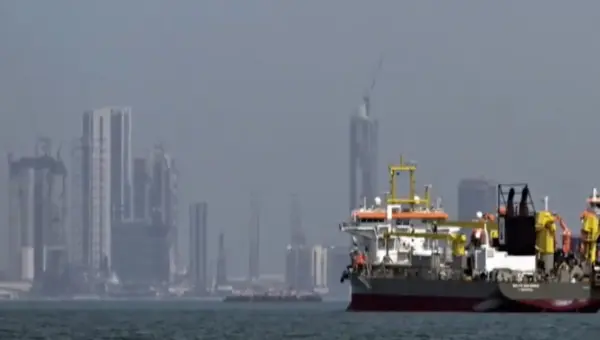
Iran Blocks China Ships, Exposing Beijing’s Weak Grip
Iran's recent decision to block Chinese ships at the Strait of Hormuz is exposing the limits of Beijing's influence in the Middle East. This action is causing delays and cancellations for Chinese manufacturers, turning a perceived geopolitical win into an economic strain.
Trump’s “Walk Away” Tactic Signals Tougher Stance on China
Retired Air Force Brigadier General David Stillwell believes President Trump's strategy of being willing to walk away from negotiations puts pressure on China. This tactic, combined with US global actions and strengthened alliances, signals a more assertive American foreign policy.