Trump’s Iran War Falters, Retreat Looms Large
Reports indicate a potential shift in the Trump administration's strategy regarding Iran, moving from ambitious military goals to a possible withdrawal. This pivot raises questions about effectiveness, regional stability, and the evolving nature of modern warfare.

Trump’s Iran War Falters, Retreat Looms Large
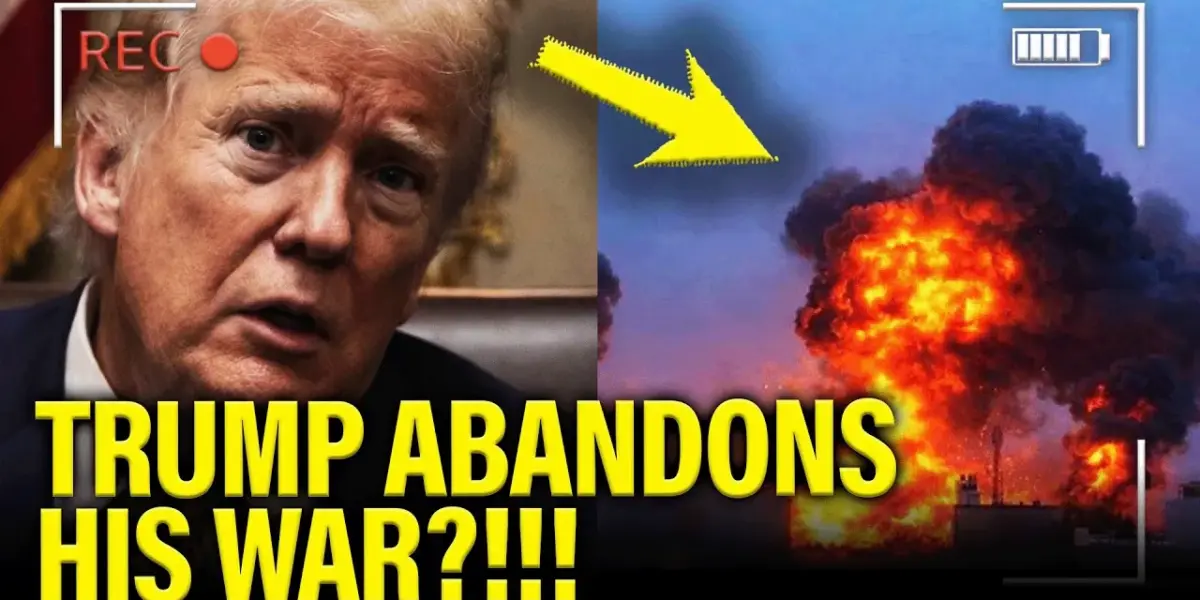
Reports suggest a significant shift in the administration’s approach to the ongoing conflict with Iran. What began as assertive military objectives now appears to be morphing into a strategic withdrawal, potentially marking a major setback. Officials indicate that President Trump has signaled a willingness to conclude operations against Iran soon. This comes as the initial goals, such as severely degrading Iran’s military capabilities, may be adjusted, with a focus on less ambitious outcomes.
Shifting Objectives and Public Statements
The initial objectives, as stated by figures like Senator Marco Rubio, included the destruction of Iran’s air force and navy, along with a severe reduction in its missile capabilities. However, current discussions suggest a move away from these ambitious goals. The administration now appears to be reassessing the feasibility and cost of achieving such aims, especially considering the evolving nature of modern warfare, which involves advanced drones and ballistic missiles.
This shift is reflected in public statements. Early confidence about regime change and the widespread support from the Iranian people has been replaced by more measured language. The focus has narrowed to degrading conventional military capabilities, a stark contrast to the earlier rhetoric of complete obliteration.
The Reality of Modern Warfare
The transcript highlights a key point about modern conflict: it’s not just about traditional military might. Today’s wars involve sophisticated technologies like FPV drone swarms, advanced unmanned aerial vehicles, and precision-guided missiles. The emphasis on conventional capabilities might be overlooking Iran’s advancements in these areas.
Iran’s Strategic Responses
Iran has responded to the increased pressure with its own strategic moves. The Iranian parliament has passed a law asserting control over the Strait of Hormuz, potentially allowing them to charge tolls or restrict passage for certain nations. This move directly challenges the freedom of navigation for the United States and its allies.
Furthermore, Iran has used its influence to encourage allies like the Houthis in Yemen to prepare for potential disruptions in the Red Sea shipping lanes. This demonstrates a broader strategy to inflict economic pain and leverage regional dynamics.
Economic Warfare and Diplomatic Maneuvers
The conflict has also spilled into economic and diplomatic arenas. Iran has reportedly allowed some Chinese oil tankers to pass through the Strait of Hormuz, while also using social media to highlight its responses to perceived aggression. This includes mocking statements about reopening the strait, emphasizing that it was for Chinese tankers.
Regional Implications and Alliances
The situation has significant implications for regional stability and alliances. Arab nations like the UAE, Bahrain, Kuwait, and Saudi Arabia have expressed concerns about potential US withdrawal. They have made substantial investments in military hardware and infrastructure with the US, and a sudden departure could leave them vulnerable.
These nations are reportedly seeking security assurances and are exploring alternative security structures. This could lead to a recalibration of regional power dynamics, potentially empowering Iran if the US disengages without a clear resolution.
Historical Context and Expert Opinions
The conflict echoes historical patterns of geopolitical tension in the Middle East. The analysis draws parallels to the complexities of engaging with adversaries, referencing Sun Tzu’s advice on knowing the enemy. Some former military leaders have advised declaring victory and winding down operations, suggesting that the initial timing and objectives may have been influenced by Israeli decisions.
There’s a debate about the nature of the Iranian adversary. While some characterize them as religious fanatics, others argue for a more nuanced understanding of Iran as a sophisticated society with advanced technological capabilities and strategic planning. This latter view suggests that oversimplifying the enemy could lead to critical miscalculations.
A Humiliating Defeat or Strategic Adjustment?
The narrative surrounding the conflict appears to be a point of contention. Critics argue that the administration is attempting to frame a potential withdrawal as a victory, masking what they see as a humiliating defeat. The initial goals of regime change and complete military dismantlement seem to have been scaled back significantly.
The possibility of Iran controlling the Strait of Hormuz and empowering Russia and China is presented as a major win for those nations, at the expense of the United States. The current situation is described by some former officials as a geopolitical disaster, stemming from a mismanagement of the war.
Why This Matters
The unfolding events in the Iran conflict have far-reaching consequences. A hasty withdrawal without achieving stated objectives could embolden adversaries, destabilize the region further, and undermine US credibility. The economic impact on global energy markets and shipping routes is also a significant concern.
Moreover, the conflict raises questions about the effectiveness of current foreign policy strategies and the understanding of complex geopolitical adversaries. The ability to adapt to evolving warfare tactics and to accurately assess the motivations and capabilities of opposing forces is crucial for future security.
Future Outlook
The future trajectory of the conflict remains uncertain. The administration’s desire to disengage suggests a potential shift towards de-escalation, but the lingering tensions and Iran’s strategic positioning could prolong instability. The role of regional alliances and the potential for new security arrangements will be critical in shaping the post-conflict landscape.
Ultimately, the situation highlights the challenges of engaging in protracted conflicts and the importance of clear objectives, strategic foresight, and a deep understanding of the adversaries involved. The outcome will likely have lasting effects on international relations and regional security for years to come.
Source: Trump PANICS and ABANDONS HIS WAR !!! (YouTube)

Related Articles


Hegseth Undermines Trump’s War Plans Daily
Pete Hegseth, Trump's Secretary of Defense, is reportedly undermining the former president's stated war plans with Iran. Conflicting timelines, shifting objectives, and ethical questions surrounding financial dealings create significant uncertainty. This situation highlights the challenges of clear communication and strategic consistency in national security.

Oil Shocks Fuel Recession Fears, Markets Wobble
Soaring oil prices are rattling global markets, pushing major indices toward correction territory and sparking fears of a recession. Experts warn that prolonged energy shocks, particularly concerning the Strait of Hormuz, could severely impact economic growth. Investors are advised to maintain diversified portfolios and cash buffers.

US Strikes Iran’s Secret Sites, Threatening Strait of Hormuz Control
The United States has launched significant strikes against secret Iranian facilities, utilizing advanced bombers and electronic warfare aircraft. Despite these attacks, Iran continues its aggression, and concerns are rising over control of the vital Strait of Hormuz, a crucial waterway for global oil transport.