Trump’s Iran War Faces Criticism Amid Peace Talks and Troop Surge
The Trump administration is pursuing a dual strategy in its conflict with Iran, offering peace talks while increasing troop presence. Iran has reportedly rejected a U.S. 15-point proposal, drawing criticism over the war's legality and the use of troops as 'cannon fodder.' Meanwhile, domestic issues like the DHS funding stalemate and airport disruptions continue.


US Pushes for Peace While Escalating Military Presence in Iran Conflict
The Trump administration is pursuing a dual strategy in its ongoing conflict with Iran, simultaneously offering a diplomatic proposal to end hostilities while also increasing its military footprint in the region. White House Press Secretary Karoline Leavitt touted military successes, stating that “Operation Epic Fury has been a resounding military triumph.” She added that Iran’s ability to threaten the U.S. and its allies is being significantly weakened, with their nuclear ambitions also crushed.
Diplomatic Overture Meets Iranian Rejection
Despite the administration’s claims of victory, it has put forward a 15-point plan to Iran through Pakistan, aiming for a peaceful resolution. However, Iranian state television reported that Tehran has rejected the U.S. proposal, refusing to let President Trump dictate the terms of the war’s end. An Iranian official stated that Iran’s demands include a complete halt to aggression, war damages and reparations, and recognition of Iran’s sovereignty over the Strait of Hormuz.
Troop Deployment Sparks Controversy and Concern
The White House confirmed the deployment of over 1,000 additional soldiers to the Middle East, even as President Trump claimed victory in the war. This move has drawn criticism, with Iran’s parliament speaker warning that Iran is closely monitoring the troop movements and urging the U.S. not to test their resolve. Senator Tammy Duckworth of Illinois strongly condemned the deployment, stating that President Trump is using troops as “cannon fodder” in an “illegal war of choice.” She argued that only Congress has the constitutional authority to declare war and that Trump must justify his actions to lawmakers.
Presidential Briefings Under Scrutiny
New details have emerged about how President Trump is being briefed on the war. According to U.S. officials, he receives a daily two-minute video montage showcasing the most successful U.S. strikes, described by one official as a “series of clips of stuff blowing up.” Iran’s Foreign Minister responded to this reporting, suggesting the war is being “sold” to the president through “carefully curated videos.” White House officials have defended the briefings, stating the president receives a wide range of information.
Public Opinion and Economic Concerns
Recent polls indicate that nearly 60% of U.S. adults believe U.S. military actions against Iran have gone too far, with over 60% opposing U.S. boots on the ground. The White House acknowledges these concerns, with Press Secretary Leavitt attempting to reassure voters that President Trump is acting to protect Americans from a rogue regime and promising a return to lower gas prices once combat operations cease, linking it to American energy dominance.
Complexities of Negotiation and Regional Allies
NBC News correspondent Matt Bradley reported that regional allies, particularly Israel, view the diplomatic efforts with skepticism. Israel’s goals for the war are focused on preventing Iran from attacking its citizens, and there are concerns that a hasty U.S. withdrawal could leave them more vulnerable. Israeli officials reportedly do not see the current negotiations as particularly serious, especially given Iran’s rejection of the U.S. proposal. Senator Duckworth also expressed support for peace talks but emphasized that the war was unnecessary and costly, highlighting alternative uses for the $200 billion requested for military funding.
DHS Funding Stalemate Continues
In parallel to the Iran conflict, a funding stalemate continues for the Department of Homeland Security (DHS). Democrats have submitted a counteroffer to a Republican proposal, seeking reforms related to Immigration and Customs Enforcement (ICE), including requirements for body cameras, judicial warrants for property entry, and independent investigations into ICE-involved violence. Republicans have dismissed the counteroffer. Meanwhile, TSA officers are working without pay, leading to significant disruptions at airports and hardship for employees, with many facing financial difficulties.
Looking Ahead
The coming days will be critical in determining the trajectory of the Iran conflict and the resolution of the DHS funding crisis. All eyes will be on whether diplomatic channels can overcome Iran’s rejection of the U.S. proposal and whether Congress will move forward with additional funding requests for the war. Simultaneously, the ongoing DHS shutdown and its impact on travelers and federal employees remain a pressing domestic issue.
Source: Trump 'using troops as cannon fodder' in 'illegal war' with Iran, Sen. Duckworth says (YouTube)

Related Articles

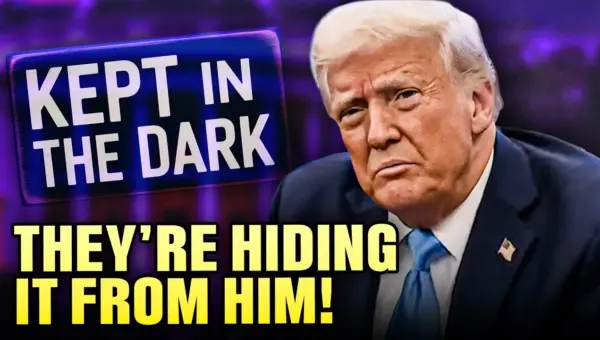
Advisors Shield Trump From War Truths, Fueling Danger
President Trump is reportedly being fed a diet of manipulated information regarding the war with Iran. Advisors allegedly curate video updates to show only U.S. successes, while downplaying or hiding setbacks. This deliberate 'cocoon of ignorance' prevents Trump from seeing the full picture, leading to potentially dangerous decisions and a distorted view of reality.


DOJ Pays Millions to Ally: Is This Legal?
A $1.2 million payout from the DOJ to Mike Flynn, a former Trump ally, has sparked outrage and questions about legality and oversight. Critics fear a pattern of "grift and corruption," while calls for accountability echo historical precedents.


Iran Hacks FBI Director: A Stunning Breach of US Security
Iranian hacker groups claim to have breached the personal email of former FBI Director Cash Patel. This incident raises serious concerns about U.S. government security and follows other controversies surrounding Patel's tenure. It highlights the ongoing threat of foreign cyberattacks.