Trump’s Iran War Enters Third Week Amid ‘Escalation Trap’
The war in Iran enters its third week, with President Donald Trump facing an 'escalation trap' and difficult choices. Despite the conflict intensifying and causing oil market turmoil, US objectives remain nebulous, while Iran inflicts significant costs. A risky ground operation for nuclear fuel looms as the US grapples with its strategic options.

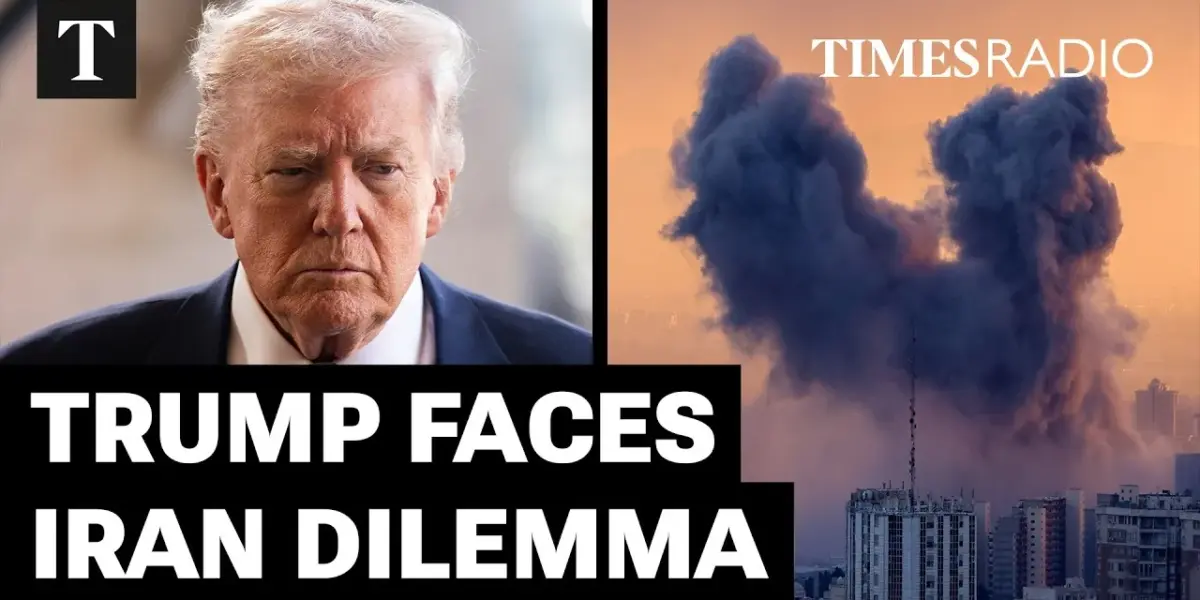
Trump Faces ‘Escalation Trap’ as Iran War Enters Third Week
The conflict with Iran has entered its third week, presenting President Donald Trump with a critical juncture. Despite the reported death of the Supreme Leader, the war is intensifying, causing significant turmoil in global oil markets. A risky ground operation for nuclear fuel now looms, while Riyadh reportedly urges continued aggressive action against Tehran. However, concerns persist that such advice, particularly given Saudi Crown Prince Mohammed bin Salman’s controversial record in Yemen, could entangle the US in a dangerous, long-term commitment.
Donald Trump himself has previously stated his foresight regarding the Strait of Hormuz’s potential use as a weapon. “I knew about the strait that it would be a weapon which I predicted a long time ago. Predicted all of this stuff,” Trump said earlier, suggesting a sense of vindication but underscoring the escalating nature of the crisis.
Assessing Trump’s Strategic Position
Michael Hannah, US program director at the International Crisis Group, suggests that the current situation likely exceeds President Trump’s expectations. “I don’t think this is what he expected,” Hannah stated, noting evidence that Trump anticipated a swift and decisive military operation, similar to the 12-day war targeting Iranian nuclear sites last year or the operation in Venezuela earlier this year. These past tactical successes, he believes, may have led Trump to assume the Iran operation would follow a similar, less protracted script.
The war has already exacted a toll, with 13 American casualties reported. The conflict is also proving unpopular domestically, adding to the pressure on the Trump administration. Hannah outlines two stark choices facing the President:
- Continue Fighting: This path involves confronting a weakened Iran that has demonstrated its ability to inflict costs, particularly through its control of the Strait of Hormuz, impacting global energy markets and the US economy. However, this option would place more American lives at risk.
- Declare Victory and Withdraw: This approach would involve framing the operation as a success and beginning a withdrawal. The significant challenge here is that a key objective—preventing Iran from developing nuclear weapons—might have to be forfeited. Achieving this objective, according to current understanding, would likely necessitate a ground operation.
The ‘Escalation Trap’ and Unclear Objectives
Michael Hannah describes the current situation as an “escalation trap.” He points out that the actions taken so far have not definitively achieved the initially stated goals, which he characterizes as “nebulous” and subject to shifting interpretations of US objectives. “The Iranians have inflicted real costs this time,” Hannah observed, highlighting the effectiveness of Iran’s retaliatory measures.
The effectiveness of military responses to challenges like the Strait of Hormuz is questionable. Hannah notes, “it’s not particularly clear that there are obvious military answers to things like the Straight of Hormuz. This is not a straightforward military operation and it’s not clear that the United States has the forces sufficient to undertake that kind of assault.”
Even the option of declaring victory and withdrawing presents difficulties. Hannah cautions that Iran, having suffered losses, might not be willing to cease hostilities. There is a concern that ending the conflict prematurely could set the stage for future US-Israeli attacks. This could incentivize Iran to prolong the fight and inflict further economic pain globally to deter future aggression, despite the significant damage it incurs upon Iran itself.
Iran’s strategy appears to be an “asymmetrical attritional approach,” driven by a perceived need to fight for its future existence. This is despite reports from Pentagon officials, such as Pete Hegseth, that Iran’s conventional military capabilities have been rapidly degraded, with reduced missile firings and a lack of air defenses or a significant air force or navy.
The Role of Arab Leaders and Disinformation
Reports have emerged suggesting that President Trump is receiving advice from Arab leaders, particularly Saudi Crown Prince Mohammed bin Salman, to continue a hard line against Iran. This echoes advice reportedly given by the late King Abdullah of Saudi Arabia. However, Michael Hannah expresses caution regarding the veracity of these claims, suggesting the information space is “rife with disinformation.”
Hannah believes there is a vested interest among certain actors in creating an impression of broader support for the war effort beyond the US and Israel, given the lack of support from European allies. While the direct claims of specific advice may be uncertain, Hannah is sure that the escalating costs to Gulf states, which are bearing the brunt of Iranian retaliation, are likely hardening their resolve. This could lead to a sentiment among Gulf leaders that having incurred significant costs, they want to see the conflict concluded decisively.
The economic dependence of Gulf states on oil exports makes them particularly vulnerable. Iran’s retaliatory actions have visibly targeted their oil resources, seemingly in an effort to pressure them into pleading with the US to halt the conflict. However, this strategy has not yet yielded the desired results, as Gulf nations have not publicly called for an end to the war.
Regional Dynamics and Future Escalation Risks
Hannah emphasizes that the Gulf should not be viewed as a monolithic entity, as member states hold diverse views. While the Strait of Hormuz remains a focal point, Iran possesses other avenues for escalation, including the Red Sea, a critical route for Saudi oil exports. Iran has also begun targeting ports in the UAE, south of the Strait of Hormuz. This indicates that Iran remains resilient and capable of further escalating the conflict and disrupting the global economy.
The US military’s long-standing assessment has been that securing the Strait of Hormuz requires immense force and entails significant risks, potentially leading to casualties not seen in recent US military history. Iran’s ability to deter commercial traffic through methods like drones, missiles, small boats, and mines can be achieved at minimal cost, regardless of the state of its conventional military.
European Allies and Shifting Defense Priorities
European leaders have indicated a reluctance to commit warships to the Strait of Hormuz, viewing it as a combat zone. However, they have expressed willingness to bolster defense capabilities in the Red Sea. This stance highlights the international community’s cautious approach to direct military involvement in the escalating conflict, while seeking to mitigate broader economic impacts.
President Trump’s recent comments suggesting he tested European allies by asking for help in protecting the Strait of Hormuz add a layer of complexity to the diplomatic landscape, leaving ambiguity about his ultimate objectives regarding international cooperation in the region.
Looking Ahead
As the conflict enters its third week, President Trump faces a critical decision point. The “escalation trap” presents a dilemma between further military engagement with uncertain outcomes and potential risks, or an early withdrawal that may compromise key strategic objectives. The role of regional players, the potential for further escalation, and the global economic impact will continue to be closely watched as the situation unfolds.
Source: Trump Faces ‘Escalation Trap’ As Iran War Enters Its Third Week | Michael Hanna (YouTube)

Related Articles

China Fights Back: Tariffs Loom Ahead of Trump Visit
China is retaliating against US trade investigations that could lead to higher tariffs. This escalating trade tension occurs just before a planned visit by President Trump. The dispute involves accusations of unfair practices and impacts global supply chains.


Israelis Forge Resilience Amidst Constant Bomb Shelter Drills
Life in Israel is a blend of resilience and constant vigilance, with many families adapting to frequent bomb shelter drills and even sleeping in makeshift shelters. Despite ongoing missile attacks, Israelis strive to maintain normalcy, though businesses face disruption and emotional fatigue is a growing concern.
Iran War Exodus: Refugees Flee to Turkey Amidst Bombings
A train from Tehran brings refugees to Turkey, fleeing daily bombings and economic collapse. Many express deep fear for loved ones left behind, while some hold onto national pride and hope for victory. The conflict's impact is also felt economically in Turkey, with rising gas prices.