Trump’s Iran War Costs Americans Dearly
Representative Greg Casar strongly criticizes President Trump's handling of the Iran conflict, arguing it imposes significant financial and human costs on Americans. He highlights the irony of dismissing rising gas prices as a "small price to pay" while millions face healthcare cuts due to perceived budget shortfalls.


Trump’s Iran War: A Costly Gamble for Americans
President Trump’s decision to engage in conflict with Iran has sparked significant debate, with critics arguing it’s a disastrous move with far-reaching consequences for everyday Americans. Representative Greg Casar, speaking on a recent broadcast, strongly criticized the approach, stating that Trump “dragged us into this war without any sort of play.” This strong language suggests a lack of preparedness and foresight in the administration’s foreign policy decisions.
The immediate impact highlighted by Casar is the rise in oil prices. Trump himself reportedly dismissed the increase as a “small price to pay.” However, Casar argues this perspective ignores the real burden. “Everything for Trump is a small price to pay because he never pays it,” he asserted. This is because the financial strain isn’t on Trump’s personal budget. Instead, it falls on millions of American families struggling with higher costs at the gas pump.
The Human Cost Beyond the Wallet
The economic impact is not the only concern. Casar also pointed to the human cost of war. He contrasted the potential deployment of American soldiers with the activities of Trump’s children. “It’s not his kids that are getting shipped off to war,” he said. “His kids are too busy cashing in on business deals with Middle Eastern desperates.” This statement implies a disconnect between the leadership’s actions and the sacrifices made by ordinary citizens and their families. It raises questions about who truly bears the weight of foreign policy decisions.
Healthcare Cuts Versus War Spending
A striking comparison was drawn between the cost of the Iran conflict and domestic spending priorities. Casar referenced a recent debate where millions of people were at risk of losing their healthcare coverage because, according to Trump’s administration, the country “doesn’t have enough money.” This perceived contradiction is a central point of his criticism. The funds requested for the ongoing war effort, he noted, are comparable to the amount that could have been used to support Affordable Care Act (ACA) subsidies.
“The amount of money we’re spending on this war, the amount of money they’re asking for to conduct this war is the same amount that they would have spent on ACA subsidies, maybe.”
Rep. Greg Casar
This comparison underscores a fundamental argument: that resources are being prioritized for military engagement over essential social programs that directly benefit American citizens. It suggests a misallocation of national funds, where the perceived necessity of foreign intervention takes precedence over the healthcare needs of millions.
Why This Matters
The debate over the Iran conflict and its associated costs highlights a critical tension in national policy. It forces us to consider how foreign policy decisions impact the daily lives of Americans, from their wallets to their access to healthcare. When leaders dismiss rising gas prices as a “small price to pay,” it’s crucial to examine who is actually paying that price. The disconnect between the perceived cost for leadership and the tangible burden on citizens is a recurring theme in political discourse.
Historical Context and Future Outlook
The United States has a long history of engaging in conflicts in the Middle East, often with complex and unforeseen consequences. Decisions made regarding military action and international relations have ripple effects that can last for decades. The current situation with Iran echoes past instances where initial justifications for military involvement have led to prolonged engagements and significant financial and human costs. Looking ahead, the ongoing costs of such conflicts, both direct and indirect, will likely continue to be a subject of intense scrutiny. The debate also points to a broader trend of questioning government spending priorities. As economic pressures mount for many families, the allocation of taxpayer money towards foreign wars versus domestic needs will remain a significant point of contention for voters and policymakers alike.
Source: Rep. Casar TORCHES Trump's Iran War #politics #fyp #new (YouTube)

Related Articles

G7 Allies Clash Over Iran War Strategy, Urge Focus on Russia
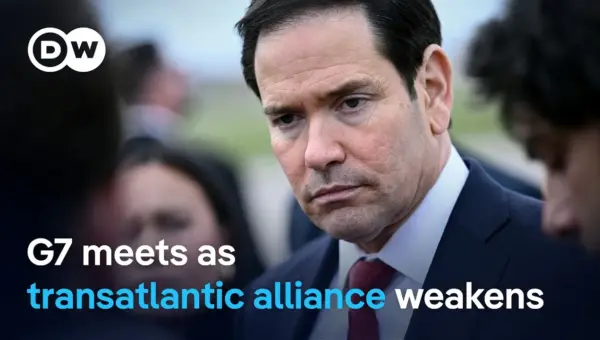
G7 foreign ministers met in Paris, revealing deep divisions over the U.S. war with Iran. European allies urged the U.S. to pressure Russia, linking its actions to the conflict and fearing support for Ukraine will wane.
Trump’s “Walk Away” Tactic Signals Tougher Stance on China
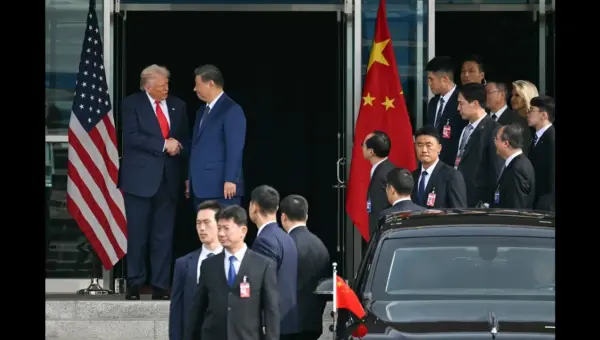
Retired Air Force Brigadier General David Stillwell believes President Trump's strategy of being willing to walk away from negotiations puts pressure on China. This tactic, combined with US global actions and strengthened alliances, signals a more assertive American foreign policy.

House Republicans Reject Senate Deal, Sparking Government Funding Clash
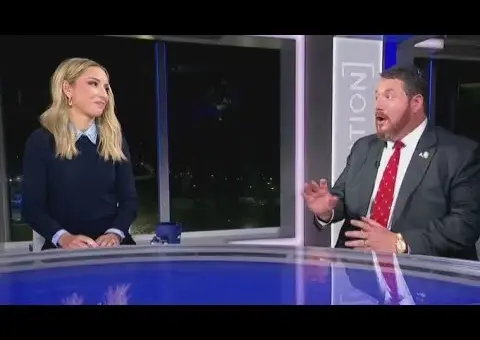
House Republicans have rejected a Senate bill to end the government shutdown, citing insufficient border security measures. Congressman Randy Fine called the Senate deal a "disgrace" and highlighted the ongoing fight for full government funding. President Trump's executive order to pay TSA agents offers temporary relief, but the core disagreement over border security continues to paralyze Washington.