Trump’s Iran War Claims Spark Confusion and Concern
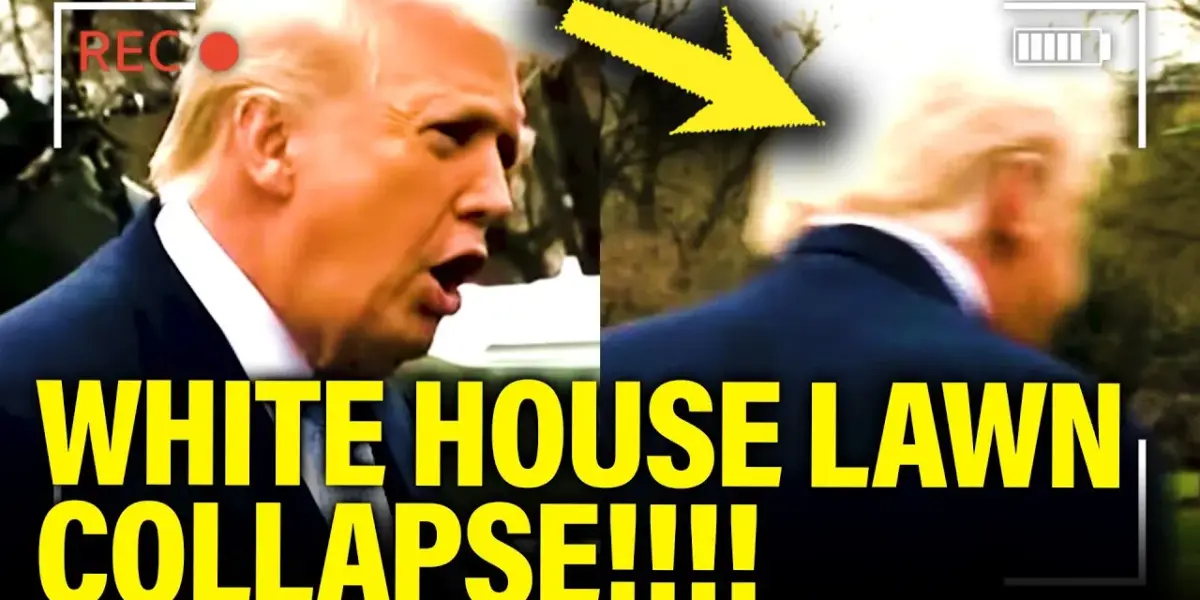
Donald Trump's recent press conference on the White House lawn was marked by claims of a decisive victory in Iran, despite ongoing regional instability. His statements about military success, the Strait of Hormuz, and shifting alliances have raised concerns and questions about the reality of the situation.

Trump’s Iran War Claims Spark Confusion and Concern
During a recent appearance on the White House lawn, Donald Trump made several striking statements about the ongoing situation with Iran, leaving many observers confused and worried. He declared that the war with Iran had been “won,” claiming that the country’s navy, air force, and anti-aircraft capabilities had been destroyed. Trump asserted that from a military standpoint, Iran was “finished” and that the United States was “roaming free.” He also suggested that the Strait of Hormuz would simply “open itself” like a miracle, and that countries like China and Japan, which heavily rely on the strait for energy, should get involved in ensuring its passage.
These pronouncements came amidst reports of potential troop deployments to the region and escalating tensions. Trump’s comments on troop movements were notably vague, stating, “I may have a plan or I may not, but how would I ever say that to a reporter?” He also expressed surprise that gas prices were not worse, stating, “I thought the prices were going to be way worse. This is really good. I expected worse.”
Conflicting Realities and Questionable Claims
The statements painted a starkly different picture from the reality on the ground. Reports indicated that Iran still possessed the ability to strike neighboring countries with American military presence and could retaliate quickly after U.S. and Israeli actions. Iran’s control over the Strait of Hormuz remained a significant concern, with experts questioning what, if anything, the U.S. could do about it. Trump’s insistence on having “won” the war and his rejection of a ceasefire, arguing it was unnecessary when “you totally obliterate the other side,” seemed to ignore ongoing regional instability and Iran’s continued influence.
When pressed for clarification on his “war won” claim, Trump reiterated his points about Iran’s depleted military assets. He described Iran’s current actions as merely “clogging up the strait,” but insisted that militarily, they were “finished.” This led to further questions about his plan for escorting ships through the Strait of Hormuz, with or without allies. Trump suggested that other nations, like Europe, Korea, Japan, and China, which depend on the strait for energy, would have to take more responsibility.
Shifting Alliances and Unsettled Questions
The discussion also touched upon international alliances. Trump’s stance appeared to be critical of NATO allies, suggesting they had not been helpful regarding the Strait of Hormuz. He questioned why China, a major user of the strait, wasn’t assisting, overlooking the geopolitical complexities and China’s own relationship with Iran. This critique of allies was echoed by his Interior Secretary, Doug Bergam, who suggested that America’s traditional European allies had been “less than reliable” and that countries closer to Russia were more aligned with Trump’s policies.
Bergam also claimed that the U.S. currently had the lowest energy prices in the world due to Trump’s policies, a statement that contrasted sharply with the widespread pain people felt from high gas prices. He further asserted that America was building alliances like never before, identifying the U.S., Israel, Saudi Arabia, Gulf States, and Japan as key partners, while noting “a lot of repair needed in Europe.”
Trump’s remarks also veered into domestic issues, mentioning the need for Democratic votes on issues like voter ID and concerns about “gender mutilation of your children” and “men in women’s sports.” He then pivoted to praising his ballroom and noting a large concrete pour in Washington.
Why This Matters
The events of the White House lawn press conference raise significant questions about leadership, communication, and foreign policy. Trump’s pronouncements on winning a war that still shows signs of active conflict and his dismissal of ongoing threats create a confusing and potentially dangerous narrative. His apparent disregard for the complexities of international relations, particularly his criticism of NATO allies while seeming to rely on their assistance, adds another layer of concern.
The disconnect between Trump’s optimistic claims about the economy and energy prices and the lived experiences of many Americans highlights a potential gap in understanding and addressing public concerns. The focus on divisive social issues alongside foreign policy discussions further complicates the message. The situation underscores the importance of clear, consistent, and fact-based communication from political leaders, especially during times of international tension and economic uncertainty.
Historical Context and Future Outlook
This incident echoes past instances where Trump has used public appearances to assert strong, often unsubstantiated, claims about military victories and economic successes. His approach has consistently involved downplaying threats and projecting an image of decisive triumph, even when faced with complex or unresolved challenges. The dynamic between his administration and traditional allies, particularly in Europe, has been strained throughout his presidency, marked by disputes over defense spending and international agreements.
The future outlook remains uncertain. The continued instability in the Middle East and the complex geopolitical landscape mean that clear-headed diplomacy and accurate assessments of threats are crucial. Whether Trump’s approach will lead to de-escalation or further complicate the situation is a critical question. The reliance on vague assurances and the questioning of established alliances suggest a period of continued unpredictability in U.S. foreign policy and its relationships with global partners.
Source: Trump CRASHES OUT on WH Lawn over WAR…ABANDONS DC?!! (YouTube)

Related Articles
G7 Allies Clash Over Iran War Strategy, Urge Focus on Russia
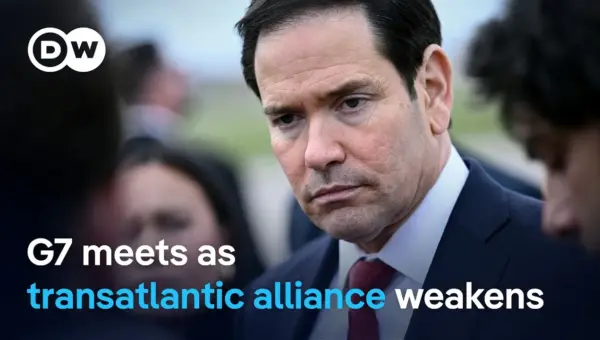
G7 foreign ministers met in Paris, revealing deep divisions over the U.S. war with Iran. European allies urged the U.S. to pressure Russia, linking its actions to the conflict and fearing support for Ukraine will wane.

Iran Blocks China Ships, Exposing Beijing’s Weak Grip
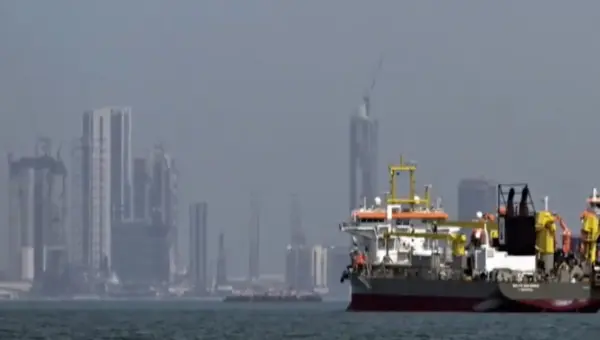
Iran's recent decision to block Chinese ships at the Strait of Hormuz is exposing the limits of Beijing's influence in the Middle East. This action is causing delays and cancellations for Chinese manufacturers, turning a perceived geopolitical win into an economic strain.
Rubio: US Can Achieve Iran War Goals Without Troops
Senator Marco Rubio outlined a strategy to counter Iran without deploying U.S. ground troops, focusing on weakening the regime and enhancing maritime security. He also criticized Cuba's economic system and expressed concerns about West Bank violence.