Trump’s Iran War Claims Crumble Under Scrutiny
President Trump's claims of a "complete" war in Iran clash with his own defense secretary's view, revealing a concerning disconnect. This analysis examines the conflicting narratives, economic fallout, geopolitical implications, and political hypocrisy surrounding the conflict.

Trump’s Iran War Claims Crumble Under Scrutiny
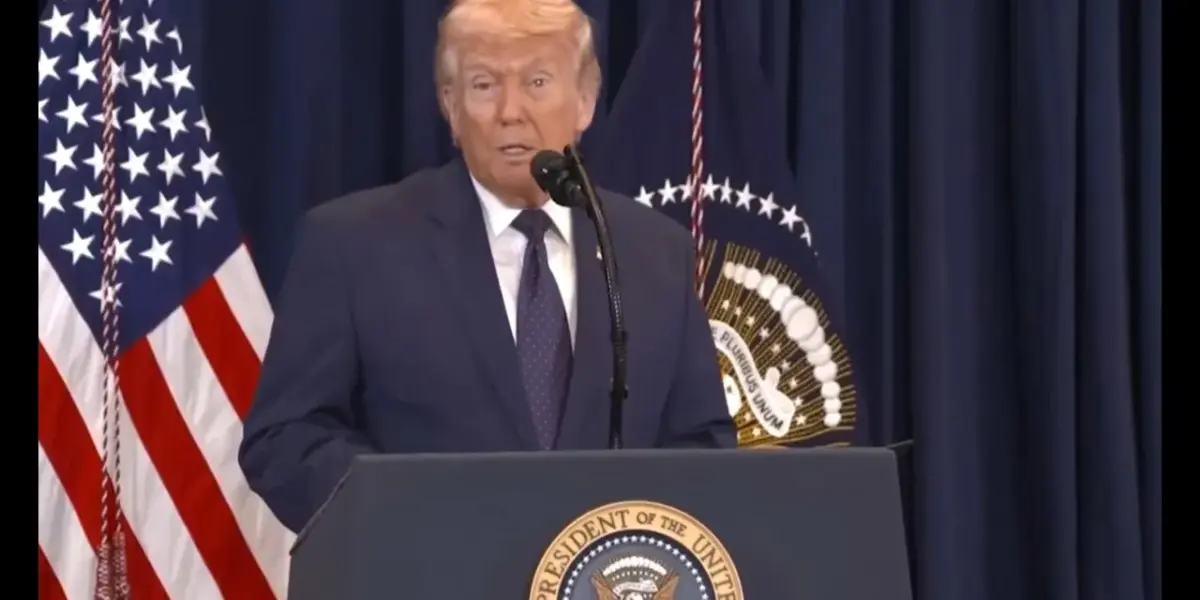
In a move that has sparked significant debate and confusion, President Donald Trump has declared the military objectives in Iran to be “pretty well complete.” This assertion, however, stands in stark contrast to statements made by his own Secretary of Defense, who described the situation as “just the beginning.” This glaring discrepancy raises critical questions about the true state of the conflict, its duration, and the administration’s transparency with the American public.
A War of Words and Conflicting Narratives
The initial declaration of a “very complete” war effort by President Trump has been met with a mixture of bewilderment and skepticism, particularly in light of Secretary of Defense Mark Esper’s (referred to as “Pete Haggsath” in the transcript) more cautious outlook. The juxtaposition of these statements suggests either a significant disconnect within the administration or a deliberate attempt to shape public perception. The transcript wryly notes the philosophical paradox: “This war is over, but has only also just begun.” This ambiguity leaves Americans uncertain about the timeline and the ultimate goals of the military engagement.
The Shadow of Congressional Approval and Operation Names
A significant point of contention is the manner in which the conflict was initiated. The transcript highlights that Trump “skipped that whole congressional approval portion of taking our nation to war,” thereby bypassing the traditional process of selling the rationale for military action to the public. Instead, the administration has focused on branding the operations with catchy, albeit aggressive, names like “Operation Epic Fury” and “Midnight Hammer.” The commentary satirizes this, suggesting that the naming of operations might have even influenced the timing of military escalations, a notion that underscores the perceived superficiality of the justifications offered for the war.
Economic Fallout and Geopolitical Repercussions
The consequences of this conflict extend beyond the battlefield, impacting the domestic economy and global markets. The transcript points to “higher gas prices at home, a global trading market in turmoil, and multiple American casualties” as direct results of the administration’s actions. These tangible effects stand in contrast to the administration’s optimistic rhetoric about achieving peace and security.
The Succession in Iran: A Defiant Act
A critical development mentioned is the appointment of 56-year-old Moshaba Hamei as Iran’s new Supreme Leader. Hamei is the son of Ayatollah, whom the transcript states was killed on the first day of the war. This succession is framed as an “act of defiance and a show of resistance” against President Trump, who had explicitly deemed the younger Hamei “unacceptable.” The narrative draws parallels to historical revenge tropes, suggesting that the son’s ascension is a direct challenge to the U.S. and a potential catalyst for further conflict. The commentary darkly jokes about the administration’s apparent lack of foresight in anticipating such a reaction, invoking cinematic references like “The Lion King” and “John Wick” to highlight the predictable nature of such geopolitical dynamics.
Political Hypocrisy and Shifting Rhetoric
The transcript also delves into the political maneuvering and rhetorical gymnastics employed by Republicans to justify the war and President Trump’s actions. It contrasts the campaign-trail promises of avoiding “unnecessary wars” and not getting “depleted… on stupid, senseless, endless wars” with the current reality. Politicians like Majority Whip Tom Emmer are criticized for their seemingly detached pronouncements and visual presentations, with the transcript sarcastically noting his “impenetrable biodome.” Lindsey Graham’s hawkish rhetoric, promising to “blow the hell out of these people” and bring the regime “to its knees” for eventual peace and prosperity, is presented as an example of the aggressive undertones often masked by more diplomatic language.
Media Complicity and Suppressing Dissent
The role of right-wing media in shaping the narrative is also scrutinized. The transcript suggests that certain media outlets are acting as an “entire news network at his disposal,” willing to do the administration’s bidding by downplaying negative consequences like rising gas prices and discouraging criticism. There’s an argument that discussing these economic impacts plays into Iran’s propaganda strategy. Furthermore, the transcript touches upon the broader issue of suppressing critical voices, alluding to the potential for social media platforms to cater to the administration’s preferences, thereby limiting the longevity of independent media.
The Erosion of Campaign Promises
A central theme is the perceived betrayal of campaign promises. Trump’s assurance that he would “stop wars” and not reinstitute a draft is juxtaposed with the current conflict and the administration’s defense of its actions. The transcript criticizes the administration for “gaslight[ing] us into submission by pretending reinstituting the draft is the cool thing to do,” a tactic allegedly used to deflect from broken promises regarding military engagement and economic policies like lowering gas prices and healthcare costs.
Conclusion: A Pattern of Duplicity
Ultimately, the transcript paints a picture of an administration that is engaged in a pattern of duplicity, attempting to rewrite the narrative of the Iran conflict to align with its agenda. The author suggests that President Trump, with the support of his administration, party, and aligned media, is presenting a version of events that is at odds with his own past statements and the observable realities of the situation. The piece concludes by emphasizing the importance of independent media and direct communication channels, given the potential for censorship and the administration’s perceived efforts to control the narrative.
Why This Matters
This analysis is crucial because it probes the gap between presidential rhetoric and the tangible realities of foreign policy. The conflict in Iran, initiated without explicit congressional approval and characterized by contradictory official statements, raises fundamental questions about accountability, transparency, and the democratic process. The economic repercussions, the geopolitical instability following Iran’s leadership transition, and the potential for prolonged conflict underscore the significant human and financial costs of such military actions. Furthermore, the discussion of media influence and the suppression of dissenting voices highlights the critical role of an informed public in a democracy, especially when leaders deviate from campaign promises and engage in actions with far-reaching consequences.
Implications, Trends, and Future Outlook
The situation in Iran, as presented, reflects a broader trend of executive overreach in foreign policy, where presidential authority is increasingly leveraged to bypass traditional checks and balances like congressional oversight. The administration’s strategy of controlling the narrative through selective messaging and leveraging media allies is a tactic that could become more prevalent. The future outlook suggests a potential for continued escalation or a protracted, undeclared conflict, with ongoing economic strain and geopolitical tensions. The succession in Iran adds a layer of unpredictability, as the new leadership’s response to perceived provocations will be key. The erosion of trust due to broken promises and perceived hypocrisy could also have lasting impacts on public faith in political institutions and leadership.
Historical Context and Background
The U.S.-Iran relationship has been fraught with tension since the 1979 Islamic Revolution. Decades of animosity, sanctions, and proxy conflicts have created a deeply complex geopolitical landscape. President Trump’s decision to withdraw from the Joint Comprehensive Plan of Action (JCPOA) in 2018 and reimpose stringent sanctions marked a significant escalation of this long-standing antagonism. The narrative of “ending endless wars” was a central promise of Trump’s 2016 campaign, yet his presidency has seen significant military actions and heightened tensions in various regions, including Iran. The current situation can be viewed as a continuation of this pattern, where assertive foreign policy actions are undertaken with significant domestic and international ramifications, often accompanied by efforts to manage public perception and justify the chosen course of action.
Source: Trump’s Iran war BACKFIRES with miserable update | Another Day (YouTube)

Related Articles


Trump Signals Iran War Nears End Amidst Escalating Oil Crisis
President Trump announced the Iran conflict is nearing an end, citing U.S. military success in degrading Iranian forces and missile capacity. However, the war has triggered a severe global oil crisis, with gas prices soaring and the Strait of Hormuz effectively closed to shipping. The conflict's true timeline and ultimate economic consequences remain uncertain.
Senator Slams Trump’s Iran Claims Amidst Missile Controversy
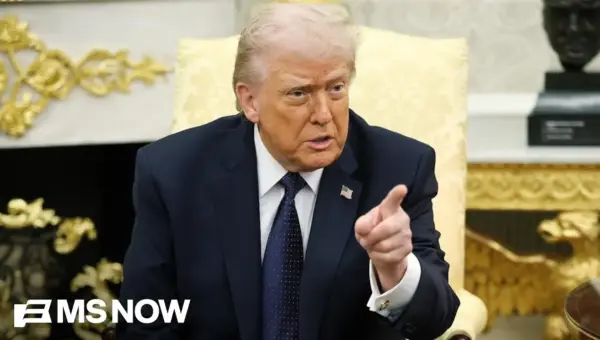
Senator Richard Blumenthal is demanding answers from the Trump administration regarding the use of U.S. Tomahawk missiles in Iran, particularly after a strike hit an elementary school. He questions the President's understanding of missile security and criticizes the lack of transparency.

Trump Signals Iran War End as Strikes Continue, Gas Prices Soar
President Trump signaled a potential end to the conflict in Iran as U.S. and Israeli strikes continue, leading to soaring gas prices and global market volatility. New evidence suggests a U.S. missile may have struck an Iranian school, while domestic security concerns were highlighted by a thwarted terror attack in New York and widespread airport chaos.