Trump’s Iran War: Chaos, Lies, and Global Instability Emerge
The U.S. engagement with Iran has devolved into a chaotic quagmire, marked by market manipulation, escalating threats, and grave allegations of targeting civilian infrastructure. This analysis explores the contradictory narratives, geopolitical ramifications, and historical context of a conflict spiraling out of control.

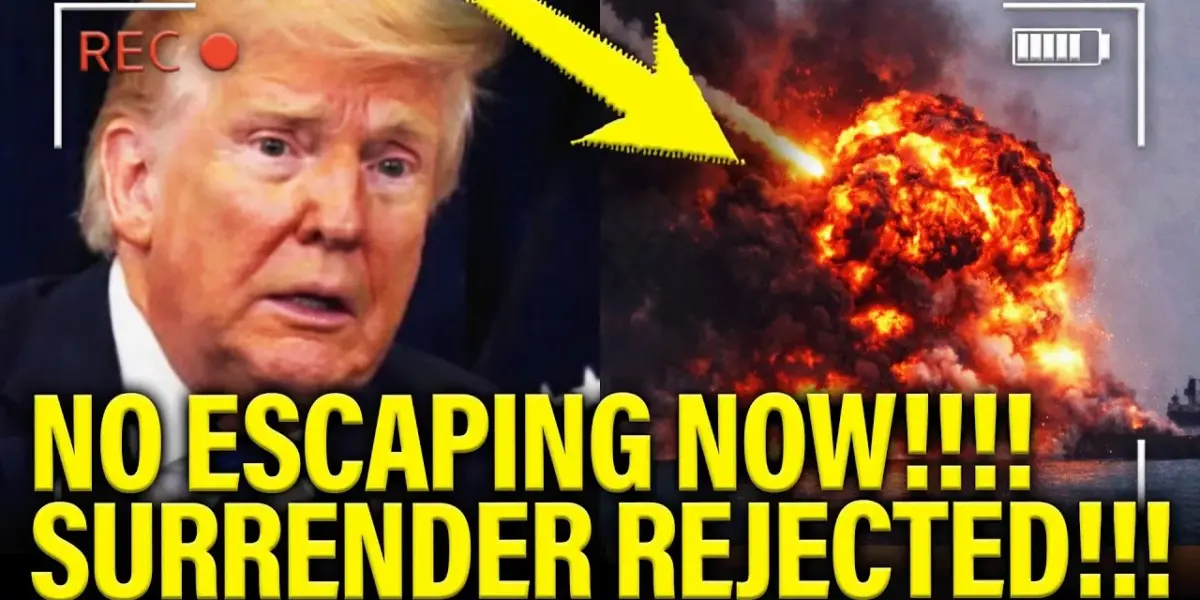
Trump’s Iran War: Chaos, Lies, and Global Instability Emerge
The escalating conflict between the United States and Iran, under the current administration, has plunged into a state of discernible chaos, marked by contradictory statements, alleged targeting of civilian infrastructure, and a disturbing disregard for diplomatic norms. What began as a series of actions by the Trump administration has spiraled into a volatile situation where market manipulation, threats of extreme retaliation, and the potential for wider regional destabilization are now front and center.
A Pattern of Contradiction and Market Manipulation
The narrative surrounding the conflict has been anything but consistent. In a move that appears to have been designed to influence market sentiment, statements were released suggesting the war was nearing its end and that the U.S. was poised for withdrawal. This was followed, however, by a late-night press conference and subsequent statements that signaled a clear intent for escalation. This whiplash effect has not only sown confusion but has also been characterized as an attempt to manipulate financial markets, with oil prices reportedly dropping following the initial optimistic pronouncements.
Iran’s response has been swift and assertive. Asserting control over the Strait of Hormuz, a critical chokepoint for global oil transit, Iranian officials have warned of severe repercussions, including significant disruptions to global energy supplies and a drastic increase in oil prices. The threat is clear: any action that impedes the flow of oil through the strait will be met with a forceful and costly response.
Escalation and Allegations of War Crimes
The rhetoric from the U.S. side has become increasingly bellicose. Threats of unleashing “death, fire, and fury” upon Iran, with an explicit promise to hit back “20 times harder” if oil flow is disrupted, paint a grim picture of potential U.S. military objectives. More alarmingly, allegations have surfaced that the Trump regime has targeted not only military installations but also civilian infrastructure, including an elementary school. The transcript directly states that over 150 children were killed in such strikes, a claim that, if substantiated, represents a grave breach of international law and a profound moral failing.
Adding to the confusion and accusations, the administration has made claims about Iran possessing Tomahawk missiles and using them to attack its own schools. This assertion has been widely debunked, with experts pointing out that Iran lacks the necessary launch capabilities and that Tomahawk missiles are a highly specialized U.S. weaponry. Such statements are being characterized as blatant falsehoods, contributing to a growing distrust in the administration’s pronouncements.
Geopolitical Ramifications and Shifting Alliances
The conflict’s implications extend far beyond the immediate U.S.-Iran dynamic. The administration’s framing of its actions as a “gift” to China and other nations reliant on the Strait of Hormuz has raised eyebrows, particularly given the stated “China First” policy. This perceived strategic misstep, coupled with a broader pattern of diplomatic miscalculations, suggests that adversaries like Russia and China are adeptly outmaneuvering the U.S. on the global stage.
Furthermore, the U.S. actions appear to be unifying the Iranian populace against external aggression, a stark contrast to the internal dissent that may have previously existed. The administration’s past promises to support Iranian protestors, followed by perceived inaction, have been cited as a betrayal that may have contributed to the consolidation of hardline elements within Iran. The targeting of civilian infrastructure is seen as further alienating the Iranian people and potentially bolstering more extreme factions.
Historical Context and Troubling Parallels
The current situation echoes past instances of escalating tensions and questionable justifications for military action. The historical context of U.S.-Iran relations is fraught with complexity, including the 1953 coup, the Iran hostage crisis, and subsequent periods of proxy conflict and sanctions. Each administration has navigated this delicate relationship with varying degrees of success, but the current approach, characterized by aggressive rhetoric and alleged disregard for civilian life, marks a particularly perilous chapter.
The administration’s focus on perceived personal grievances and idiosyncratic behaviors, such as guessing shoe sizes and engaging in bizarre prophetic pronouncements, stands in stark contrast to the gravity of the international crisis unfolding. This disconnect is seen by critics as symptomatic of a leadership detached from reality and ill-equipped to handle complex geopolitical challenges.
The Shadow of Russian Influence
Adding another layer of complexity is the reported engagement between the Trump administration and Russia. Leaked readouts suggest calls with Vladimir Putin, seeking advice on the Iran conflict and discussing the war in Ukraine. This has fueled concerns about Russia’s potential influence in shaping U.S. foreign policy decisions regarding Iran and has been juxtaposed with actions such as lifting sanctions on Russian oil, which could inadvertently benefit Russia’s war efforts and its support for Iran.
The involvement of Eric Trump’s drone company seeking Ukrainian drone technology, while Russia is allegedly being aided in selling oil, further complicates the narrative. It suggests a potential entanglement of personal business interests with national security and foreign policy, raising questions about conflicts of interest and the prioritization of American interests.
Why This Matters
The events surrounding the U.S.-Iran conflict are not merely a bilateral issue; they have profound implications for global stability, energy markets, and the international rules-based order. The alleged targeting of civilian infrastructure, if true, represents a severe violation of humanitarian principles and could have long-lasting consequences for international law and accountability. The administration’s inconsistent messaging and apparent market manipulation erode trust and create an environment of unpredictability, which is detrimental to global economic stability.
Furthermore, the narrative of the U.S. acting in ways that unite adversaries and alienate potential allies is a dangerous trend. It risks empowering strategic competitors like Russia and China and undermining U.S. influence on the world stage. The potential for miscalculation in such a volatile region, where regional powers are involved and the threat of wider conflict looms, is immense.
Implications, Trends, and Future Outlook
The current trajectory suggests a heightened risk of regional conflict, with potential for significant humanitarian and economic fallout. The trend of escalating rhetoric and aggressive posturing, coupled with a lack of clear diplomatic off-ramps, points towards a prolonged period of tension. The effectiveness of international institutions in de-escalating the situation remains to be seen, especially in the face of a U.S. administration that appears to operate outside conventional diplomatic frameworks.
The future outlook is one of considerable uncertainty. The reliance on military solutions over diplomatic engagement, the potential for civilian casualties, and the complex web of international relationships involved create a volatile cocktail. The administration’s approach, if it continues, could lead to a further erosion of U.S. credibility and a more unstable global order. The need for clear, consistent, and truthful communication, adherence to international law, and a genuine commitment to de-escalation has never been more critical.
Source: Trump PANICS and CAN’T GET OUT of DISASTER WAR!! (YouTube)

Related Articles
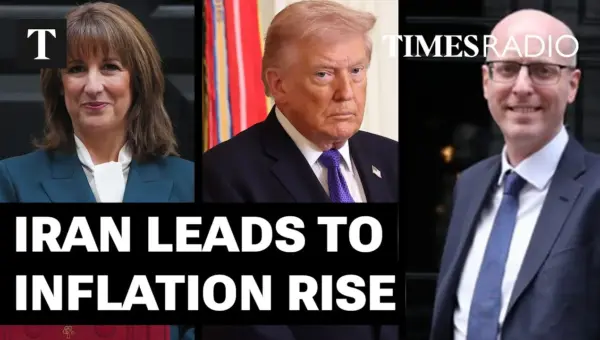
Inflation Fears Mount as Iran Conflict Fuels Cost of Living Crisis
The UK government is grappling with the escalating cost of living crisis, driven in part by the ongoing conflict involving Iran. Concerns over inflation, energy bills, and food prices are paramount, as mixed signals from international players add to the economic uncertainty. Meanwhile, domestic digital ID plans face a challenging path forward amidst public backlash and limited governmental scope.
Trump Claims Iran’s Military Power Severely Crippled
President Donald Trump claims the US and Israel have significantly degraded Iran's military capabilities, potentially "wiping out" its ability to develop long-range weaponry. However, on-the-ground reports from the region highlight the ongoing, deadly reality of the conflict for civilians. The ultimate success metrics and geopolitical implications remain uncertain.

US Unleashes Fury: Iran Faces Devastating Strikes
In a significant escalation, the United States and its allies have launched massive strikes against Iran, targeting key military assets and infrastructure. President Trump has issued stark warnings regarding the Strait of Hormuz, threatening severe retaliation if oil flow is disrupted.