Trump’s Iran War Blunder: Military Fails, Economy Suffers
Professor Dan Plesch analyzes the U.S. military's struggles with incompetence in the Iran conflict, highlighting unpredictable leadership and significant economic fallout. The war's impact on global oil prices and the Strait of Hormuz is severe, with military readiness and diplomatic efforts facing major challenges.

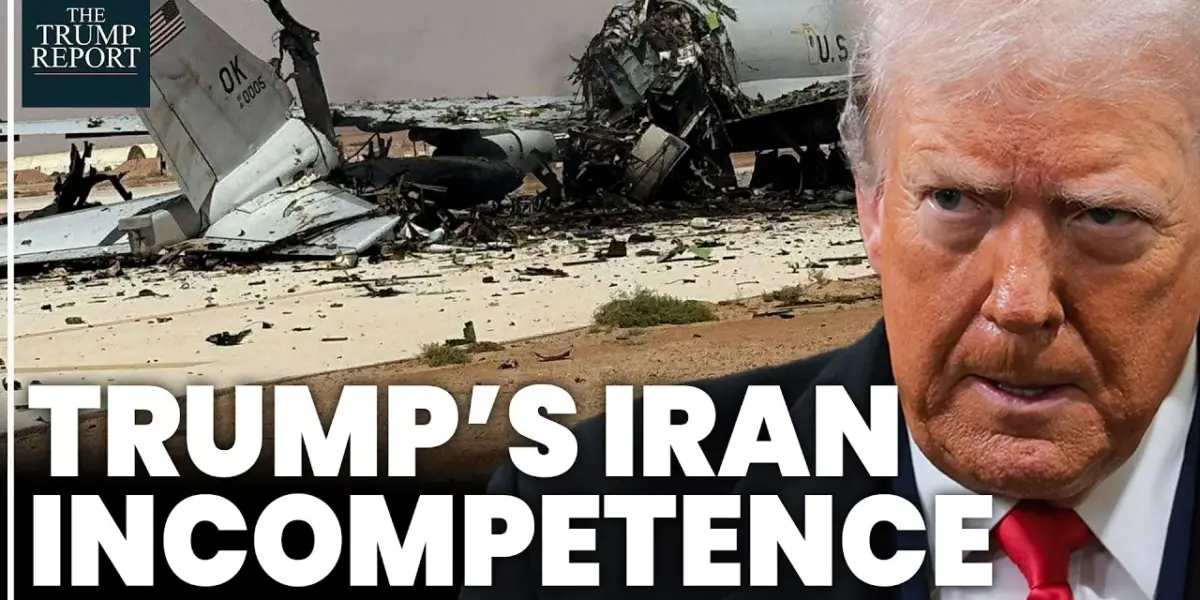
Trump’s Iran War Blunder: Military Fails, Economy Suffers
The conflict with Iran, initiated under Donald Trump’s presidency, is facing serious challenges. Many in the U.S. military are reportedly frustrated by what they see as incompetent handling of the situation. This conflict has also had a significant negative impact on the global economy, particularly concerning oil prices and the crucial Strait of Hormuz.
Unpredictable Leadership and Military Setbacks
Professor Dan Plesch, a diplomacy and strategy expert, suggests that Donald Trump’s approach to the Iran situation is often driven by immediate reactions rather than a clear, long-term plan. “I don’t think Donald Trump knows what he’s going to say from one minute to the next,” Plesch stated. This unpredictable style has led to a situation where initial goals, such as controlling Iranian uranium or overthrowing the regime, have not been met.
Instead, Iran has continued to fire missiles, hitting expensive American military assets with precision. “None of that was supposed to happen, and he himself has said, ‘Oh, we’re very surprised they attacked other countries,'” Plesch noted. This indicates a disconnect between Trump’s expectations and the reality on the ground. While Trump has claimed Iran’s missile capabilities are destroyed, recent attacks on American airborne radar planes and tanker refueling aircraft show otherwise. These were vital targets, striking at the heart of the American military machine.
Economic Repercussions and the Strait of Hormuz
The conflict’s impact on the global economy has been severe, especially concerning the Strait of Hormuz, a vital waterway for oil transport. “Nowhere is that more harshly felt than in the Strait of Hormuz,” Plesch explained. The possibility of Iran controlling this strait for the foreseeable future is a major concern. While past discussions, even during George W. Bush’s presidency, considered turning the strait into an international zone, the current situation is uncertain.
If America withdraws or stops attacking Iran without securing the region, Iran could potentially maintain control. This could lead to a continued “stranglehold” on global trade. The situation is further complicated by the involvement of groups like the Houthis and the potential closure of the Red Sea, creating powerful economic pressure points worldwide. The disruption has already led to a significant rise in oil prices, with reports of prices nearing $120 a barrel.
Historical Context and Military Readiness
The military manuals and public debates surrounding how to deal with Iran have always presumed the immediate availability of large-scale American forces. However, Plesch observes that “none of this really seems to be put in place.” This lack of preparedness is surprising given the decades of planning for potential conflict with Iran. The military is struggling to adapt to modern warfare, particularly the rise of drones. “The American military and the very slow and expensive nature of American industry means that they haven’t…” Plesch began, highlighting a fundamental issue.
Drones have been a known factor for years, yet American forces are not adequately prepared for a drone war. Plesch drew a parallel to the movie “Gallipoli,” warning of the potential for forces to be ill-equipped and under immense pressure, a scenario reminiscent of World War I’s disastrous campaign in Turkey. This points to a deeper problem of the U.S. military’s slow adaptation to new technologies and tactics.
Diplomacy and Future Outlook
Despite the conflict, there’s a question about the level of ongoing diplomacy. While Trump has claimed talks are happening, Iran denies this. Plesch believes Iran is under pressure but remains resilient. “They’re blooded but unbowed, you know, rather in the image of the character in the Rocky movie,” he described. Iran has an interest in diplomacy, and historically, deals that could have managed its nuclear capacity have been hindered, with Plesch pointing to the influence of the “Israel lobby” as a factor in past failures.
The idea of the U.S. “neutering” the Iranian state, as suggested in Plesch’s paper, appears to have failed. The conflict risks becoming a long, drawn-out, and bloody affair, similar to the U.S. experience in Iraq and Afghanistan. The unpredictable nature of escalation makes a peaceful solution seem unlikely in the short term.
Gulf Nations and Shifting Alliances
The conflict also highlights shifting alliances in the Gulf. While publicly calling for talks, some Gulf states, like Saudi Arabia, are reportedly pushing for the U.S. to take a stronger stance against Iran. Ironically, if Iran were removed as a power, these Gulf states might no longer need to rely on America, potentially altering their relationship with the U.S. and influencing their own religious and political directions.
There’s also a concern about the large Shia populations in some southern Gulf states, who could potentially face unrest. The economic pressure from rising oil prices could also fuel instability within the UN and put pressure on various countries, including those heavily dependent on oil resources for development.
Impact on NATO and Domestic Politics
Trump’s harsh rhetoric towards NATO allies during this conflict is also noteworthy. Plesch suggests that Trump’s actions have inadvertently empowered European nationalists who desire greater independence from the U.S. This could lead to the development of a stronger European military, a goal that has been pursued since the end of the Soviet Union. The idea of a Russian threat, Plesch argues, has been overstated, especially given Russia’s current exhaustion from the war in Ukraine.
Domestically, starting a war in an election year is a risky gamble for Trump. Plesch believes the situation looks bad for him. The conflict is perceived by many as primarily Israel’s war, and younger Americans are less inclined to support Israel unconditionally. This could lead to a significant backlash against Trump in the midterm elections. The potential for Trump to take desperate measures, even considering the use of nuclear weapons, cannot be entirely ruled out, though it would be a violation of long-held liberal taboos.
Why This Matters
The ongoing conflict with Iran, as analyzed by Professor Dan Plesch, reveals a dangerous mix of unpredictable leadership, military unpreparedness, and severe global economic consequences. The U.S. military’s struggles with incompetence and slow adaptation to modern warfare, coupled with the economic strain on global energy markets, paint a grim picture. The potential for prolonged conflict and the shifting geopolitical alliances in the Gulf and Europe add further layers of complexity.
For the U.S., this situation raises critical questions about foreign policy strategy, military readiness, and the long-term implications of leadership decisions. The economic fallout, particularly the rise in oil prices, affects everyone, creating pressure for a resolution. The conflict also highlights the evolving role of the U.S. in global alliances like NATO and the internal political risks associated with foreign entanglements, especially in an election year. The potential for escalation and the unpredictable nature of the conflict underscore the urgent need for clear-headed diplomacy and strategic planning, rather than reactive and inconsistent policy-making.
Source: US Military 'pulling their hair out at the incompetence' of Trump's Iran war | Prof. Dan Plesch (YouTube)

Related Articles
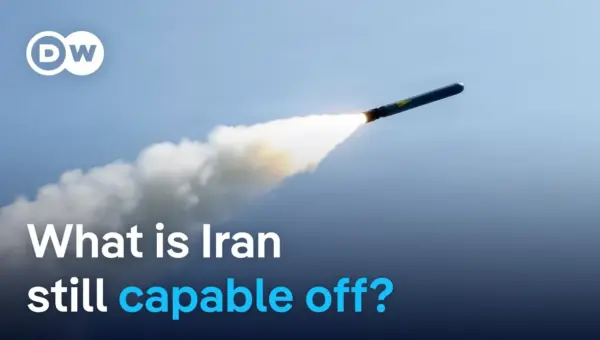
Iran Strikes Target Infrastructure: Gulf States Fear Escalation
Iran's retaliatory strikes on critical infrastructure, including a Kuwaiti desalination plant, have heightened fears across Gulf states. Expert Kaman Matin explains Iran's strategy of targeting civilian and economic assets in response to attacks, while Gulf nations brace for potential escalation. The situation remains tense, with diplomatic efforts struggling to find a path to de-escalation.

Iran Conflict Escalates: Infrastructure Attacks Spark Global Economic Fears
The conflict in Iran has escalated dramatically, with the U.S. targeting critical infrastructure like bridges. Iran is retaliating by attacking energy assets in the Gulf. This "infrastructure warfare" risks severe global economic consequences, including soaring oil prices and increased inflation.
Iran Downs US Jet, Exposing Global Power Shifts
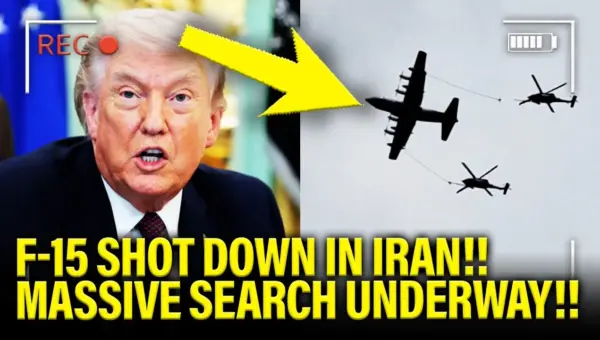
An F-15E jet shot down over Iran sparks a rescue mission and highlights global power shifts. Allies question U.S. predictability while domestic debates rage over military spending. This incident underscores complex regional tensions and evolving international dynamics.