Trump’s Iran War: Allies Refuse, Oil Prices Soar, Media Faces Threats
The Trump administration's war with Iran is facing significant challenges, including a lack of support from key allies and escalating domestic economic fallout. Gas prices continue to climb as allies refuse to join U.S. efforts in the Strait of Hormuz, while the administration threatens media outlets reporting on the conflict.

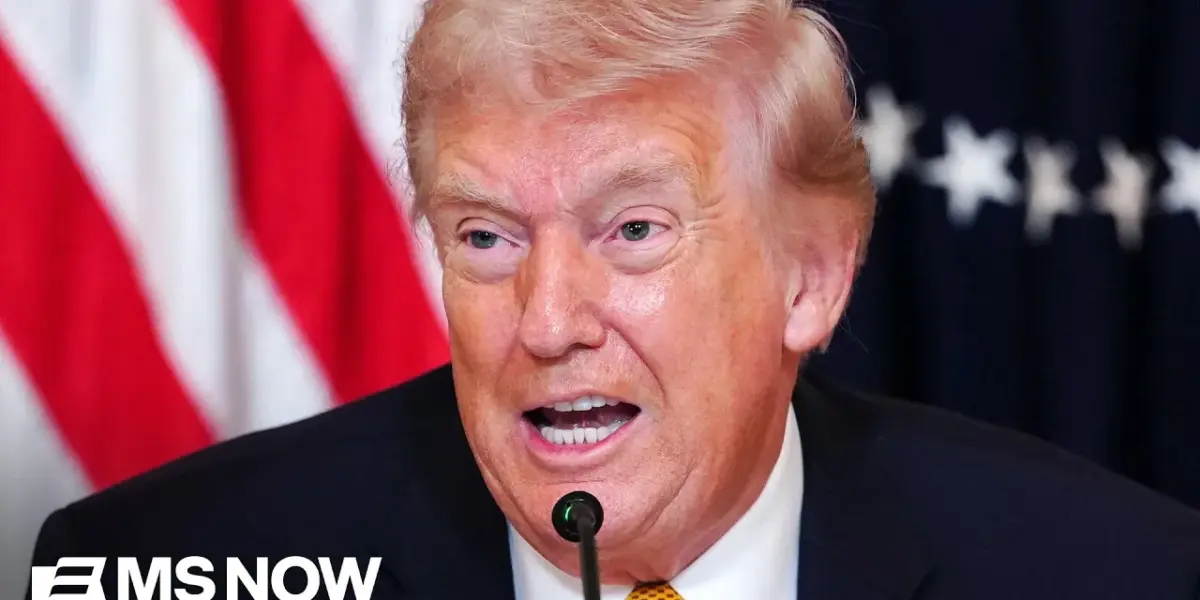
Trump Administration’s Iran War Faces Global Rebuff Amidst Economic Turmoil
New York, NY – In the 17th day of military operations against Iran, the Trump administration is encountering significant international resistance and escalating domestic economic consequences. Thirteen U.S. service members have lost their lives, with over 140 injured, as President Trump’s efforts to rally allies into supporting a blockade of the Strait of Hormuz, a critical global oil transit route, have largely failed. The economic fallout is palpable, with soaring gas prices and a defiant stance against media reporting on the unfolding crisis.
Allies Reject Calls for Joint Action on Strait of Hormuz
President Trump’s administration has been actively seeking to assemble an international coalition to escort ships through the Strait of Hormuz, a waterway through which one-fifth of the world’s oil supply travels. However, potential partners have shown a distinct lack of enthusiasm. The Wall Street Journal reported that discussions are ongoing regarding whether such operations would commence before or after the war concludes, casting doubt on the immediate effectiveness of any potential coalition.
The New York Times revealed that no nations have yet signed on to the U.S.-led initiative. Germany has issued the sharpest rejection, with its defense minister stating unequivocally, “This is not our war, we did not start it.” Similar sentiments have been echoed by top officials in Japan, Italy, and Australia, all of whom have indicated their countries will not participate in efforts to reopen the Strait. France, South Korea, and Britain have offered noncommittal responses.
This widespread refusal stands in stark contrast to President Trump’s past rhetoric, which has often involved disparaging U.S. allies and questioning their contributions. The administration now finds itself in the position of requesting these same allies to commit their forces to a conflict initiated without their input.
“From our allies who Donald Trump has spent more than a year denigrating and malining their sacrifices in past wars, Donald Trump now would like those same allies to sign up to put their soldiers in harm’s way for a war that Donald Trump started without any of their input.”
Economic Repercussions: Soaring Gas Prices and Federal Reserve Concerns
The ongoing conflict has directly impacted American consumers, with average gas prices reaching $3.71 per gallon, an increase of nearly 25 cents from the previous week. When pressed about the spike, Energy Secretary Chris Wright initially suggested it was a case of “short-term pain for long-term gain” but quickly retracted any guarantees about when prices might stabilize.
“There’s no guarantees in wars at all,” Wright stated when questioned about the duration of price hikes. “I can guarantee the situation would be dramatically worse without this military operation to defang the Iranian regime.”
The economic instability caused by the war is also complicating the Federal Reserve’s efforts to manage interest rates. Data from January indicated upward pressure on consumer prices even before the conflict began. With oil prices consistently above $100, the Fed is widely expected to hold rates steady, potentially extending a pause that began in January. This situation creates friction with the Trump administration’s persistent push for lower interest rates.
Administration Targets Media Amidst War Coverage
In response to mounting negative headlines and criticism regarding the war’s execution and its economic consequences, the Trump administration has adopted an aggressive stance towards the media. Threats have been made to revoke the broadcast licenses of networks perceived as reporting unfavorably or inaccurately on the conflict.
This tactic has drawn criticism, particularly in light of reporting by The Wall Street Journal and The New York Times that has detailed what is being described as a haphazard approach to entering the war and managing the response to the Strait of Hormuz crisis. Reports have highlighted inconsistencies in the administration’s stated goals for the operation, ranging from protecting the Iranian people to regime change.
Michael Crowley, a diplomatic correspondent for The New York Times, commented on the situation:
“The administration’s message has been all over the place. And President Trump has repeatedly cited different goals for this mission… these are different threads, and they, from the words of the president and his senior advisors, they don’t add up to a clear, coherent war plan. And so I think that that’s been reflected in the coverage, but I think to lash out at the media is not fair.”
Uncertain Future and Regional Instability
As the conflict enters its third week with operations extending into southern Lebanon against Hezbollah, the long-term implications remain uncertain. The illusion of security in regional hubs like Dubai has been shattered, raising concerns about the stability of U.S. allies in the Middle East and the potential for wider regional escalation.
The administration’s current strategy appears to be one of perseverance, despite the lack of allied support and the growing domestic economic challenges. The question remains whether President Trump will seek to declare victory and withdraw or continue the current course, despite the mounting costs and international isolation.
Source: Trump Administration failing to bully allies into the war with Iran as economic fallout continues (YouTube)

Related Articles

Trump Halts Iran Strikes Amid Stalled Diplomacy
President Trump announced a pause on planned strikes against Iran, citing productive talks, though Iran denies negotiations occurred. Reports also suggest a potential U.S. ground operation on Iran's Hark Island. The situation raises concerns about international support for Ukraine and potential shifts in U.S. foreign policy.
Polls Spell Doom: Republicans Face Voter Backlash
New polling data reveals a sharp decline in public confidence regarding the economic impact of Republican policies, particularly under Donald Trump. A significant majority now feel financially worse off, a trend that is especially pronounced among independent voters. This economic discontent poses a major challenge for the Republican party heading into future elections.
Trump’s ‘Board of Peace’ Crumbles Amidst Global Conflict
Donald Trump's 'Board of Peace,' launched with grand ambitions from Davos, faced immediate scrutiny over its $1 billion permanent membership fee. Despite attempts to secure ceasefires, the initiative appeared to falter as global conflicts, including strikes on Iran, escalated, leaving its intended purpose overshadowed.