Trump’s Iran War: A Costly Disaster at Home and Abroad
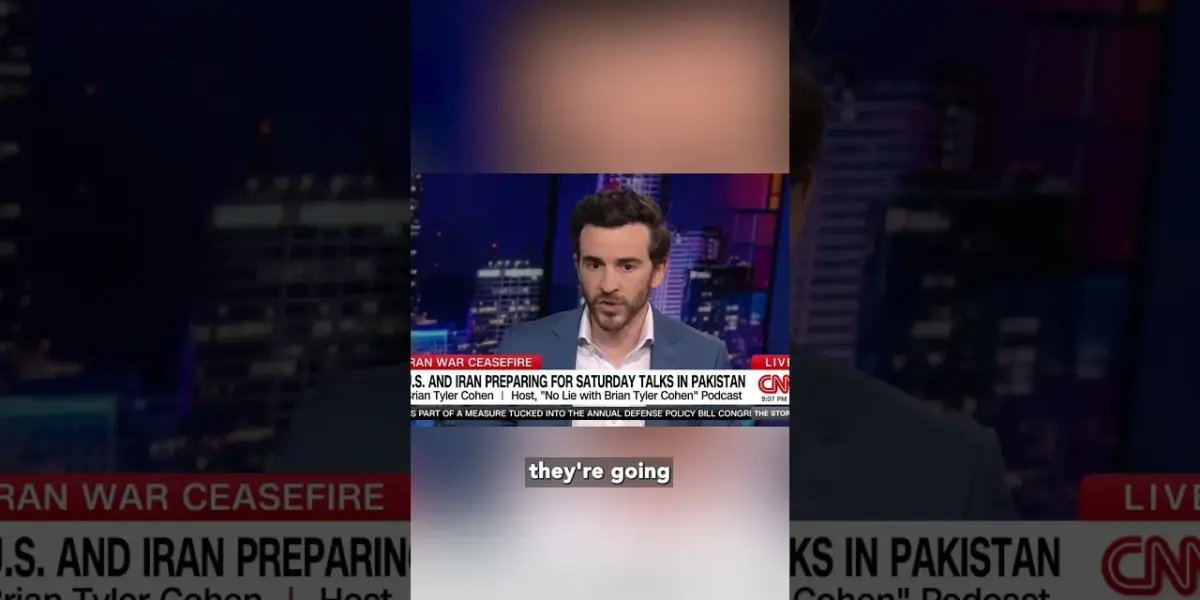
Critics are calling the recent conflict with Iran an "unmitigated disaster," highlighting a failure to achieve regime change and significant costs at home. The war has resulted in American lives lost, billions spent, and rising gas prices, raising serious questions about its worth.

Trump’s Iran War: A Costly Disaster at Home and Abroad
The recent conflict with Iran, launched with the goal of regime change, is being called an “unmitigated disaster” by critics. The stated aim was to remove Iran’s leadership, but this objective appears far from being met. Instead, the situation seems to have worsened, leaving many questioning the true cost and benefit of this military action.
International Fallout: A Failed Mission?
From an international viewpoint, the war’s primary goal of regime change has not been achieved. The transcript suggests a cycle of leadership changes in Iran, indicating that removing one leader has not fundamentally altered the country’s direction or policies. This raises serious doubts about the effectiveness of the strategy employed.
Furthermore, the economic impact on Iran, intended to weaken its military, may have backfired. While Iran’s military may have suffered initial losses, the transcript points out a concerning financial loophole. Increased tolls on ships passing through the Strait of Hormuz could provide Iran with the funds needed to rebuild its military, potentially even stronger than before.
Domestic Costs: Lives and Money Lost
The consequences of the conflict are also deeply felt within the United States. The human toll is significant, with at least 13 service members losing their lives and 400 others wounded. These are not just numbers; they represent families shattered and futures cut short.
Beyond the human cost, the financial burden is immense. Tens of billions of dollars have been spent on the war. This money, critics argue, could have been used to address pressing domestic needs. Imagine those funds going towards infrastructure, education, or healthcare instead of a foreign conflict.
The economic ripple effects are also evident at home. The transcript highlights a surge in gas prices. This directly impacts the daily lives of Americans, making everything from commuting to grocery shopping more expensive. The war’s costs are clearly not confined to distant battlefields.
Why This Matters
This analysis is crucial because it forces us to confront the real-world consequences of foreign policy decisions. When a nation engages in military conflict, especially with the ambitious goal of regime change, the outcomes must be carefully weighed against the costs. The transcript suggests that in this case, the costs—both human and financial—far outweigh any perceived benefits.
It matters because it speaks to accountability in government. Leaders must be able to justify the use of taxpayer money and, more importantly, the lives of service members. When a conflict results in more instability and greater financial strain, it demands a thorough re-evaluation of the decision-making process.
Looking Ahead: Lessons Unlearned?
The situation with Iran is a stark reminder of the complexities of international relations. Military interventions, particularly those aimed at reshaping other nations, rarely have simple or predictable outcomes. The history of such interventions is often fraught with unintended consequences.
The trend suggested by this conflict is a potentially dangerous cycle. Weakening one adversary might inadvertently create opportunities for them to regroup and re-emerge, perhaps with renewed resolve and resources. This raises questions about the long-term effectiveness of such strategies.
Moving forward, policymakers must consider alternative approaches. Diplomacy, economic pressure, and international cooperation often offer more sustainable solutions than military force. The focus should be on de-escalation and finding common ground, rather than pursuing costly and often futile regime change operations.
The narrative surrounding this conflict underscores the need for greater transparency and public discourse on matters of war and peace. Citizens deserve to understand the rationale behind military actions and to have their concerns about the costs addressed. Only through open discussion and critical analysis can we hope to make wiser decisions in the future.
Source: Brian Tyler Cohen asked if Trump's war was "worth it" (YouTube)

Related Articles

Buttigieg Spars With MAGA Host Over Iran War Claims
Transportation Secretary Pete Buttigieg and a MAGA host clashed over Iran's nuclear program and the justification for military action. The debate highlighted differing views on presidential credibility and American strength.


Netanyahu Pushed for Iran Attack; Only Trump Said Yes
John Kerry confirmed that Israeli Prime Minister Benjamin Netanyahu proposed attacking Iran to multiple U.S. presidents. While Barack Obama, George W. Bush, and Joe Biden refused, Donald Trump was the only one who agreed to the plan. This highlights significant differences in foreign policy approaches among U.S. leaders regarding Iran.

Trump’s NATO Frustration Fuels Exit Threats, Alliance Faces Crisis
President Trump's frustration with NATO allies over Iran policy has intensified, leading to renewed threats of withdrawal. While legal avenues exist to potentially block a full exit, the U.S. could significantly weaken the alliance by simply withdrawing support and troops, raising concerns among European nations.