Trump’s Iran War: A Ballroom Builder’s Fatal Flaw
Donald Trump's decision to initiate military action against Iran is scrutinized, revealing a potential lack of strategic foresight and a troubling focus on personal projects over national security. The analysis contrasts the perceived chaos of war planning with the meticulous attention given to a White House ballroom, raising questions about presidential priorities and fitness for office.

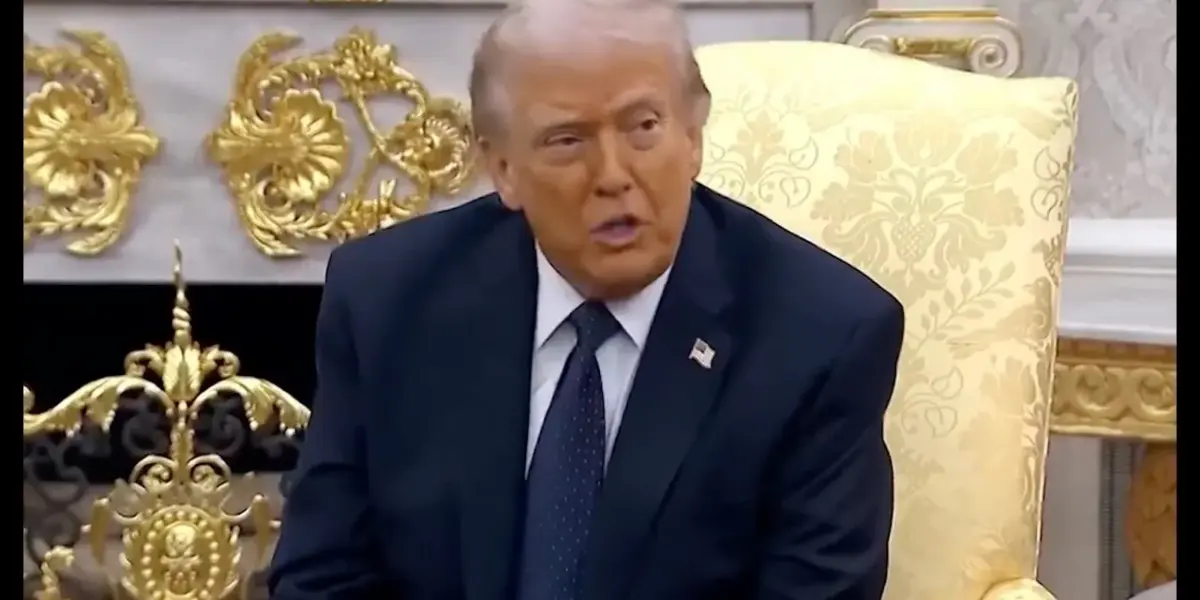
Trump’s Iran War: A Ballroom Builder’s Fatal Flaw
In a move that has sent shockwaves across the geopolitical landscape, Donald Trump has initiated military action against Iran. While the specific justifications remain a subject of intense debate, the decision-making process, as illuminated by recent statements, raises profound questions about leadership, strategic foresight, and the very foundations of presidential decision-making in times of crisis. The narrative emerging suggests a departure from traditional policy formulation, leaning instead on personal conviction and a perceived inevitability of conflict.
The Rationale: A Calculated Risk or Gut Feeling?
According to the administration’s perspective, the decision to engage militarily was precipitated by a belief that Iran was poised to attack first. “It was my opinion that they were going to attack first. They were going to attack. If we didn’t do it, they were going to attack first. I felt strongly about that,” a voice within the administration stated, emphasizing the reliance on the judgment of “great negotiators” and “top-ranked intelligence analysts.” This assertion places a significant weight on the predictive capabilities of advisors and the president’s personal interpretation of intelligence, a point that draws parallels to historical instances where intelligence assessments have been contested.
“Based on the way the negotiation was going, I think they were going to attack first. So between all our topranked intelligence analysts, world-renowned policy officials, and envoys from Department of State, the launch of this war came down to it was my opinion.”
Critics, however, draw a stark contrast to past justifications for war, referencing the controversial 2003 address by Colin Powell regarding weapons of mass destruction in Iraq. The implication is that the current administration may be prioritizing a self-fulfilling prophecy over robust, verifiable intelligence, leading to a preemptive strike based on an unproven premise. The question of ‘why’ is thus framed not as a matter of policy debate, but as an inherent characteristic of the decision-maker’s approach.
The Post-Conflict Vacuum: A Leadership Void?
Beyond the immediate trigger for conflict, the most pressing concern appears to be the lack of a coherent post-war strategy, particularly regarding the future leadership of Iran. The administration reportedly spent a year “vetting and grooming the perfect individual” to lead Iran toward a new path. However, this meticulously crafted plan seems to have encountered significant obstacles, with the revelation that “most of the people we had in mind are dead.” This unsettling admission highlights a potential disconnect between the administration’s aspirations and the harsh realities on the ground.
The subsequent efforts to identify alternative leaders reveal a concerning pattern of improvisation and a lack of contingency planning. The analogy of a “booty call” for leadership options, or a third wave of potential candidates who “may be dead also,” underscores a chaotic and reactive approach. This situation starkly contrasts with the expected meticulous planning associated with such a significant geopolitical undertaking.
The absence of a clear plan extends to the timeline of the conflict itself. Initial estimates of a four-to-five-week war have been met with contradictory statements, suggesting a war could be fought “forever.” This ambiguity mirrors the perceived instability of other foreign policy initiatives, such as the administration’s approach to the Venezuelan situation.
Evacuation Woes: A Plan for Chaos?
Compounding the concerns about strategic planning is the apparent lack of foresight regarding the evacuation of American citizens from the Middle East. With air travel severely restricted and thousands stranded, the administration’s response has been criticized as reactive and insufficient. The explanation that the situation “happened all very quickly” is met with derision, drawing an analogy to the lack of preparedness for a thunderstorm. While Senator Marco Rubio has attempted to mitigate the crisis by directing citizens to a website and phone numbers for assistance, the overall impression is one of a belated and disorganized effort.
“It happened all very quickly. That’s why you have a plan in place. It’s the same reason people have a plan not to hug trees during a thunderstorm, because lightning also happens very quickly.”
The reliance on a “throw some numbers on the screen and hope for the best” strategy is seen as a stark indicator of the administration’s overall planning deficit, drawing parallels to the perceived lack of a comprehensive healthcare plan during Trump’s presidency.
The Ballroom vs. The Battlefield: A Stark Contrast in Priorities
Perhaps the most striking indictment of the administration’s priorities comes from the juxtaposition of its approach to the war with Iran and its meticulous planning for a new White House ballroom. While the nation was seemingly on the cusp of a major conflict, involving significant financial costs and potential casualties, and without explicit congressional authorization or an evacuation plan, President Trump was reportedly engaged in extensive meetings regarding the design and construction of a ballroom. The timeline for this ballroom project, from initial planning to expected completion in 2028, is presented as remarkably detailed and concrete, a stark contrast to the nebulous plans for the war in Iran.
The emphasis on the ballroom, including discussions of design features, seating capacity, and even the selection of drapes, is framed as evidence of a misplaced focus. While Barack Obama’s first term was characterized by efforts to provide affordable healthcare, the narrative suggests that Donald Trump’s focus was on “drapes,” highlighting a perceived preference for aesthetic and tangible projects over the complex and critical responsibilities of governance, particularly in foreign policy and national security.
The administration’s engagement with the ballroom project, including formal review processes, public meetings, and even a price tag, stands in sharp relief to the lack of public engagement or formal justification for the war. This disparity leads to the conclusion that the president may have dedicated more thought, planning, and effort to the ballroom than to the war itself, raising serious concerns about his fitness for the presidency.
Why This Matters
The events surrounding the initiation of military action against Iran and the apparent lack of strategic planning have significant implications for American foreign policy and national security. The reliance on personal conviction over comprehensive intelligence, the absence of a clear post-conflict strategy, and the disorganization in citizen evacuation all point to a leadership style that prioritizes immediate action and perceived strength over long-term stability and careful deliberation. This approach risks not only escalating regional tensions but also undermining international trust and domestic confidence in the government’s ability to manage complex crises effectively. The stark contrast between the attention given to a ballroom and the apparent neglect of a war strategy underscores a worrying disconnect between presidential priorities and the demands of national leadership.
Implications, Trends, and Future Outlook
This situation highlights a growing trend in international relations where decisions of war and peace may be increasingly influenced by the personal inclinations and perceived necessities of individual leaders, rather than by established diplomatic and deliberative processes. The reliance on a singular executive opinion, even when purportedly informed by intelligence, can lead to unpredictable and potentially destabilizing outcomes. The lack of a clear exit strategy or post-conflict plan also suggests a potential for prolonged engagement and unforeseen consequences, mirroring historical precedents where initial military interventions have led to extended occupations and regional instability.
The future outlook suggests a continued need for robust oversight from Congress and the public regarding the use of military force. The ability of social media platforms to potentially suppress critical coverage also raises concerns about the free flow of information and informed public discourse necessary for democratic accountability. The emphasis on independent media and direct communication channels, as suggested by the video’s closing remarks, may become increasingly crucial for disseminating information and fostering a more informed citizenry capable of scrutinizing governmental actions.
Historical Context and Background
The decision to engage in preemptive military action, especially based on intelligence that may be subject to interpretation or dispute, has historical precedents. The Iraq War, initiated under the George W. Bush administration, serves as a significant touchstone, where the justification for war was heavily reliant on intelligence regarding weapons of mass destruction that ultimately proved to be unfounded. This historical parallel raises concerns about the potential for similar miscalculations and the long-term consequences of such decisions, including regional destabilization, immense financial costs, and human casualties. Furthermore, the concept of nation-building and installing favored leadership in foreign countries has a complex and often fraught history, with mixed results and significant challenges in achieving lasting stability and democratic governance.
Source: Trump makes FATAL MISTAKE on GLOBAL stage | Another Day (YouTube)

Related Articles

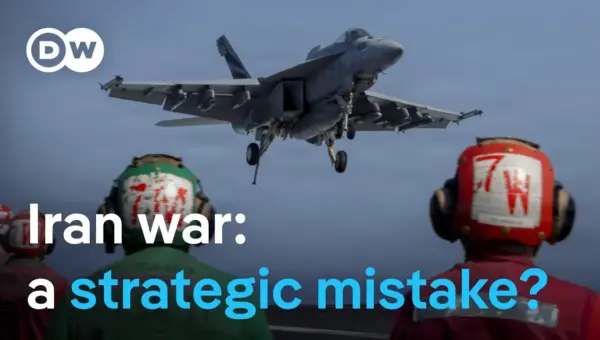
Sun Tzu, Clausewitz on Iran War: Experts Weigh In
Military historians are applying the ancient strategies of Sun Tzu and Carl von Clausewitz to the escalating tensions surrounding Iran. Experts question if modern leaders have adequately calculated the risks of a conflict that could prove far more complex and consequential than anticipated.
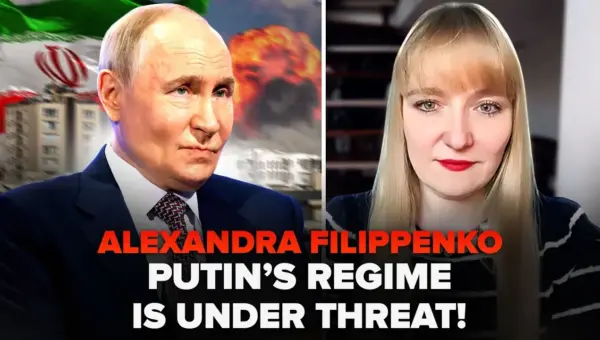
Putin’s Allies Falter: Russia’s Global Influence Shrinks
Russia's international standing appears to be diminishing as key allies face internal turmoil or leadership changes, leaving Moscow unable to provide support. The recent events in Iran and the potential blockade of the Strait of Hormuz highlight the fragility of global alliances and energy security.

Trump’s Gaffes Expose Troubling Cognitive Decline
A Medal of Honor ceremony became a stage for former President Donald Trump's apparent cognitive decline, marked by baffling verbal gaffes and disjointed rambling. The incident raises concerns about leadership fitness and media scrutiny.