Trump’s Iran War: 13 U.S. Deaths, Unclear End Strategy
The U.S. death toll in Donald Trump's war in Iran has reached 13 following the crash of a refueling aircraft. With escalating casualties and economic impacts, questions are mounting over the administration's strategy and communication, as well as the geopolitical repercussions of the conflict.

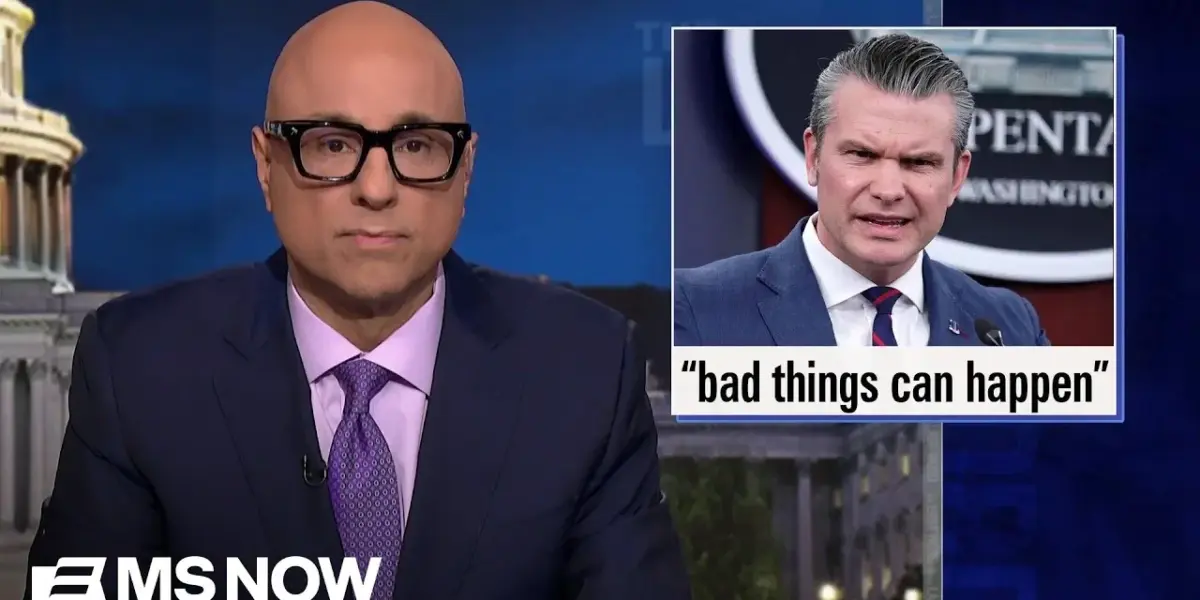
U.S. Death Toll Climbs to 13 in Trump’s Iran War, Strategy Questioned
As the United States’ engagement in Iran enters its 14th day, the number of American service members killed has risen to 13. The latest fatalities were confirmed following the crash of a U.S. refueling aircraft in Iraq, which claimed the lives of all six crew members. The Pentagon stated that the circumstances of the incident are under investigation, but confirmed it was not caused by hostile or friendly fire. This grim milestone occurs against a backdrop of escalating tensions and questions surrounding the strategic objectives and exit plan for the ongoing military operation.
Escalating Casualties and Economic Impact
The loss of the refueling aircraft crew adds to the growing list of American lives lost in the conflict. The narrative around the war has been further complicated by fluctuating reports and public statements. While former President Donald Trump has been critical of past administrations for casualties, his own administration is now facing scrutiny over the rising death toll.
The economic ramifications of the conflict are also becoming increasingly apparent. The New York Times reports that at least 16 oil tankers, cargo ships, and other commercial vessels have been attacked in the Persian Gulf since the war began, with six occurring in just two days. The benchmark for oil prices has surged over 40% since the U.S. initiated military action against Iran, with average gas prices climbing significantly. This economic pressure is impacting consumers and raising concerns about energy security.
Criticism of War Strategy and Communication
Critics have pointed to a lack of clear strategy and communication regarding the Iran conflict. Reports, including those from CNN and The New York Times, cite anonymous officials suggesting the Trump administration may have underestimated Iran’s willingness to retaliate by disrupting shipping in the Strait of Hormuz. These reports indicate that warnings were present but potentially overlooked.
Further compounding the situation, former President Trump reportedly told G7 leaders that Iran was “about to surrender.” However, this assertion was quickly juxtaposed with Iran’s new supreme leader vowing to continue fighting. Trump’s own public statements on the war’s end have been notably ambiguous, with him stating he will know when it’s over “when I feel it in my bones.” This sentiment has drawn sharp criticism, particularly given his past deferments from military service due to alleged bone spurs.
“When are you going to know when it’s over? When I feel it. Okay. I feel it in my bones.” – Donald Trump
Geopolitical Repercussions and Shifting Alliances
The war in Iran is also having unintended geopolitical consequences. According to former U.S. Ambassador to Russia Michael McFaul, the conflict has weakened the United States’ moral high ground in condemning Russia’s invasion of Ukraine. By engaging in what is perceived by some as an “illegal war” not prompted by an imminent threat, the U.S. may appear hypocritical on the international stage, potentially bolstering support for Russian actions.
Additionally, reports indicate that sanctions on Russian oil have been temporarily lifted due to the situation in Ukraine, a move that could provide a significant financial boost to Russia. This development, occurring concurrently with the U.S. military action in Iran, has led to concerns that the conflict is inadvertently benefiting adversaries.
Military Deployments and Controversial Statements
In response to the heightened tensions, approximately 2,500 Marines are being deployed to the Middle East from the Indo-Pacific region aboard several warships. These forces will join over 50,000 American troops already stationed in the region. The specific role of this new deployment remains unclear.
Controversial statements have also emerged from within the administration. Reports suggest that Secretary Hegseth made remarks about the military capabilities of the Iranian regime “crumbling” and stated, “We will keep pressing, we will keep pushing, keep advancing, no quarter, no mercy for our enemy.” These comments have drawn strong reactions, with Democratic Congressman Eugene Vindman, a former Army JAG, asserting that “no quarter” orders violate the laws of war and the Geneva Conventions, raising concerns about potential illegal directives.
Uncertainty and the Path Forward
As the conflict continues, uncertainty pervades the administration regarding a clear strategy for its conclusion. While some officials privately express pessimism, public statements from leaders like House Speaker Mike Johnson have aligned with President Trump’s optimistic outlook, suggesting the operation is nearing its end and the mission is “virtually accomplished.” However, the shifting goals and repeated declarations of success, contrasted with the ongoing casualties and economic fallout, fuel doubts about the war’s defined objectives and a coherent plan for withdrawal.
The coming days will likely see continued scrutiny of the administration’s handling of the Iran conflict, with a focus on strategic clarity, the human cost, and the broader geopolitical and economic implications. The American public and international community will be watching closely for any signs of a defined strategy to de-escalate and end the war, moving beyond pronouncements based on feelings to concrete actions and achievable objectives.
Source: Trump says he’ll end Iran war when ‘I feel it in my bones’ as U.S. death toll rises to 13 (YouTube)

Related Articles


MAGA Voters Divided Over Potential Iran War
The potential for a US war with Iran has sparked debate at CPAC, revealing a divided MAGA base. While some support military action, many express concerns over prolonged conflicts and rising economic costs, particularly higher gas prices.
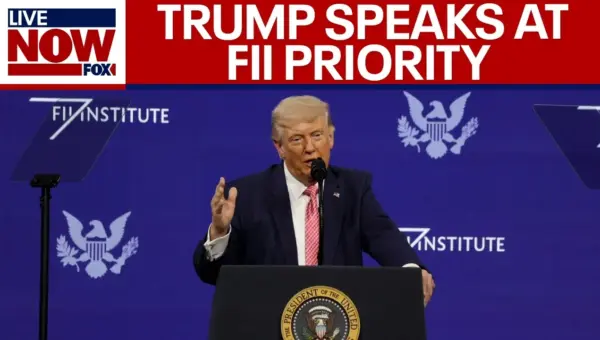
Trump Boasts Military Might, Slams Iran at Investment Summit
Former President Donald Trump spoke at the FII Priority Summit, detailing his administration's assertive stance against Iran and emphasizing the strength of the U.S. military. He claimed credit for dismantling Iran's military capabilities and preventing its nuclear ambitions. Trump also criticized NATO while praising Middle Eastern allies and touched on domestic issues like border security.


Iranian-American Comedian Uses Humor to Bridge Divides
Iranian-American comedian Max Amini is using his sold-out shows and growing platform to foster understanding amidst the ongoing war with Iran. He recently made history headlining Madison Square Garden, where he broke his usual silence on politics to address the protests within Iran. Amini aims to bridge cultural divides and challenge misconceptions about his heritage through humor and authentic storytelling.