Trump’s Iran Ultimatum Rattles Global Security
Former President Donald Trump's profane ultimatum to Iran over the Strait of Hormuz has raised global security concerns. Amidst this, Russia calls for diplomacy, while a Pakistani peace plan faces uncertainty. The situation highlights potential U.S. missile shortages and impacts aid to Ukraine.

Trump’s Iran Ultimatum Rattles Global Security
Former U.S. President Donald Trump has issued a strongly worded, profane ultimatum to Iran, demanding the opening of the Strait of Hormuz and threatening strikes on infrastructure. The message, posted on his Truth Social platform, included a vow to attack bridges and the electrical power grid if Iran did not comply. This aggressive rhetoric raises concerns about international security and the potential for escalation.
A Provocative Tone and Potential Consequences
International lawyer and former U.S. State Department official David Seafuri described Trump’s message as a sign of anger and a potential indicator that the former president feels rattled. Seafuri noted that threats to civilian infrastructure, such as bridges and power grids, could have a significant impact on the Iranian population. He emphasized that winning over the hearts and minds of the Iranian people is crucial, a sentiment seemingly lost in Trump’s post. Trump’s history of setting and then discarding deadlines makes the certainty of his threats unclear.
Pakistan’s Peace Framework Meets Resistance
According to Reuters, a framework plan aimed at ending hostilities between the U.S. and Iran has been proposed by Pakistan. The plan reportedly calls for an immediate ceasefire and the opening of the Strait of Hormuz. This would be followed by a period for negotiating a broader peace agreement, including Iran’s commitment to abandon nuclear weapons pursuits in exchange for sanctions relief. However, Pakistani sources indicate Iran has not yet committed to this plan. Seafuri expressed doubt about the plan’s success, citing its introduction by a third party and the lack of clear support from both the U.S. and Iran. He suggested that Trump’s focus on immediate action and his anger over the Strait of Hormuz could lead to an escalation of conflict.
Russia’s Call for Diplomacy and Its Implications
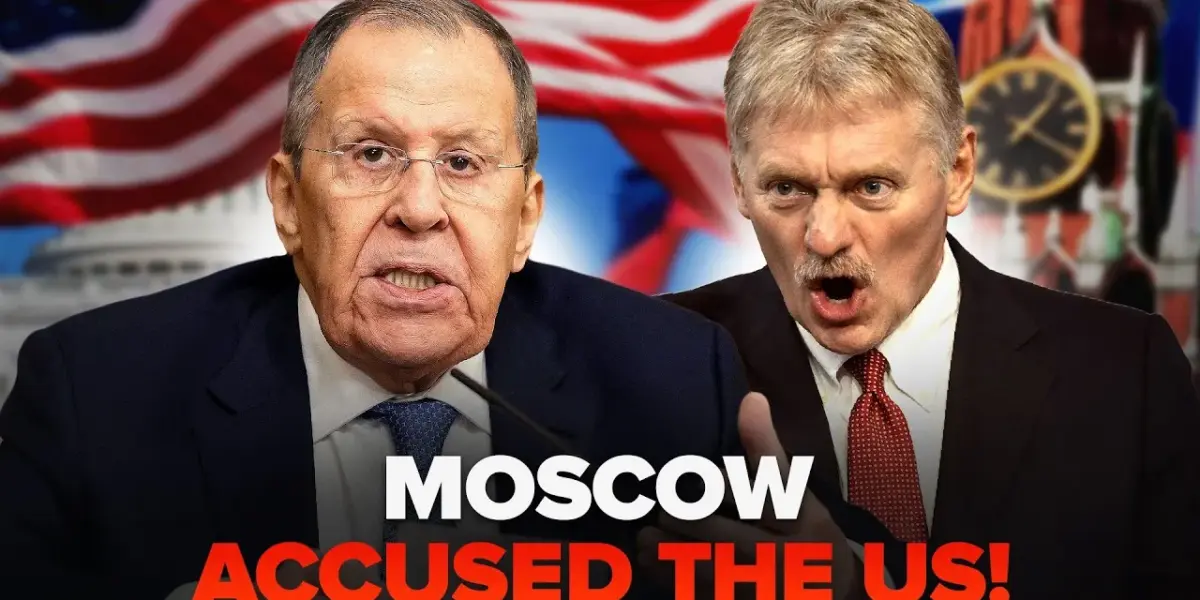
Amidst Trump’s ultimatum, Russia urged Washington to return to negotiations. Russian Foreign Minister Sergey Lavrov, in a call with his Iranian counterpart, stated that the U.S. should abandon ultimatums. Seafuri found Russia’s call for diplomacy to be absurd, given its own foreign policy record. He believes Russia supports Iran, its close ally, and would view a pro-Western democratic shift in Iran as a disaster. Seafuri suggested Russia might be quietly supporting Iran, and any ceasefire could allow Iran to rearm. He advised vigilance regarding Iran’s actions, not just its words.
Growing Russia-Iran Ties and Security Threats
Seafuri discussed the potential long-term threats arising from closer Russia-Iran ties. He noted that Russia has the capability to rearm Iran and potentially assist it with nuclear weapons. The two countries share access across the Caspian Sea, facilitating clandestine weapon shipments. Iran’s provision of Shahed drone technology to Russia, which Russia is now manufacturing, highlights their ongoing cooperation in weapons and technology sharing. Seafuri expects this trend to continue unless there is a regime change in Iran.
Internal Republican Divisions and Allied Reactions
Some American politicians have reacted with alarm to Trump’s rhetoric. Republican Congresswoman Marjorie Taylor Greene, a former Trump supporter, called for forgiveness for the administration’s actions. Seafuri, however, downplayed the significance of Greene’s comments, describing her as a renegade. He suggested that public opinion and polling data are more important indicators. Seafuri believes that Trump’s posts are not presidential and may alienate the American public. He also expressed concern that targeting civilians in Iran would be counterproductive to U.S. interests.
Strait of Hormuz: A Test for NATO?
Trump claimed he was testing NATO in the Strait of Hormuz, suggesting he did not need assistance. Seafuri found this statement contradictory and petulant. He suggested that European countries could assist in the Strait of Hormuz if properly convinced of its importance. Seafuri proposed a deal where the U.S. would increase support for Ukraine in exchange for European help in reopening the Strait of Hormuz, a move he believes would benefit all parties involved.
US Missile Arsenal Concerns
A Bloomberg report suggested the U.S. has used two-thirds of its JASSM stealth precision missile arsenal in operations concerning Iran, creating a critical shortage. Seafuri acknowledged this as a significant risk if true, although he suggested the figure might be exaggerated. He warned that such a shortage could impact the U.S. ability to respond to other potential conflicts, such as an invasion of Taiwan by China. He stressed the need for increased domestic weapons production.
Impact on Military Aid to Ukraine
Seafuri believes the reduced U.S. stock of advanced weapons has already affected military aid to Ukraine. He pointed to Patriot missiles intended for Ukraine being delayed due to their use in the Middle East. While Ukraine is developing its own weapon systems, the overall impact on aid remains a concern.
Ukraine-Russia Negotiations on Hold
Kremlin spokesman Dmitry Peskov reported that trilateral negotiations between Ukraine, the United States, and Russia to end the war are on hold. Peskov cited the U.S. being occupied with other matters as the reason for the inability to convene. Seafuri agreed that U.S. preoccupation with the situation in Iran would naturally divert focus from Ukraine. However, he also noted that previous talks had made little progress due to Russia’s unwillingness to compromise. Seafuri believes only increased economic pressure and military support for Ukraine will push Russia towards a resolution.
Rift Between Kyiv and Washington?
Reports suggest a shift in relations between Kyiv and Washington following an exchange between President Zelenskyy and Senator Marco Rubio. Zelenskyy reportedly claimed the U.S. demanded Ukraine cede territory in Donbas for security guarantees, a claim Rubio denied. Seafuri found this unfortunate and heard reports of U.S. pressure on Ukraine regarding Donbas. He believes such demands make little sense, especially since Russia does not fully control the territory. Seafuri characterized U.S.-Ukraine relations as a rollercoaster, with potential for improvement.
Zelenskyy’s Meeting with Syrian President
In a surprising development, Ukrainian President Zelenskyy met with Syrian President Bashar al-Assad, with Ukrainian and Syrian teams also holding talks. Representatives from Ukraine, Syria, and Turkey were also involved in a trilateral meeting. Seafuri described this as a clever move by Zelenskyy to seek allies and support. He noted that Syria, under al-Assad, is an enemy of Russia and Iran, suggesting a natural alliance with potential mutual benefits. Turkey’s continued support for Ukraine was also highlighted.
Source: ⚡️Kremlin issued a statement on negotiations! Peskov didn’t hold back. Russia lashed out at the US (YouTube)

Related Articles

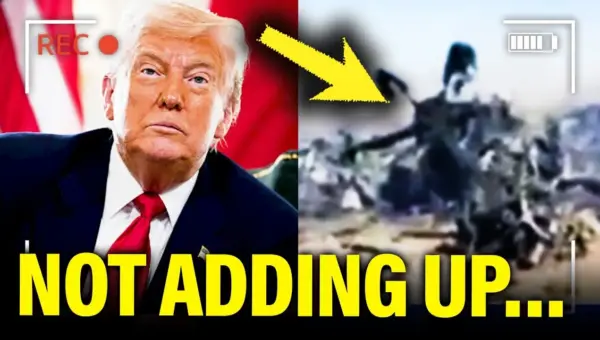
Military Rescue Mission Under Fire: Truth or Fiction?
A recent military rescue mission, hailed as a success, is now under intense scrutiny. Evidence suggests a chaotic operation with significant aircraft losses and a hefty price tag, raising questions about the official narrative and government transparency.
Trump’s Iran Standoff: A Legacy Built on Risky Gambles
Former President Trump announced a temporary halt to attacks on Iran, a move that sparked both relief and confusion due to his inconsistent rhetoric. Analysts suggest this pattern reflects a broader strategy of legacy building, where personal ambition may outweigh national consequences. Concerns about accountability and the potential for dangerous gambles remain.
Trump Halts Iran Bombing, Declares ‘Big Day for World Peace’
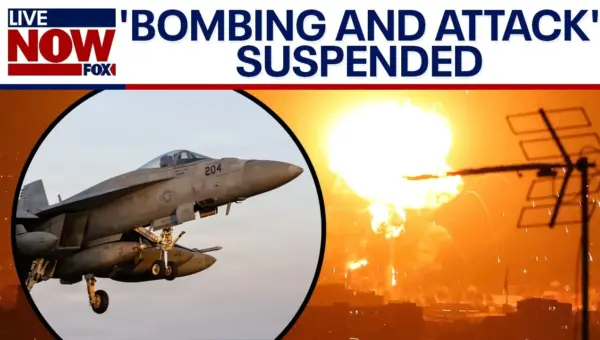
President Trump announced a surprising two-week ceasefire agreement with Iran, halting threatened military strikes and calling it a "big day for World Peace." However, details remain murky, with conflicting statements from Iran and Israel creating confusion about the terms and scope of the deal.