Trump’s Iran Threats Spark War Crime Fears, Military Dilemma
President Trump's fiery rhetoric threatening Iran with "mass destruction" has plunged the U.S. military into an ethical and legal quandary. As diplomatic efforts crumble, military leaders grapple with the potential for war crimes charges if they follow the president's aggressive public statements, while Iran vows severe retaliation and regional instability grows.

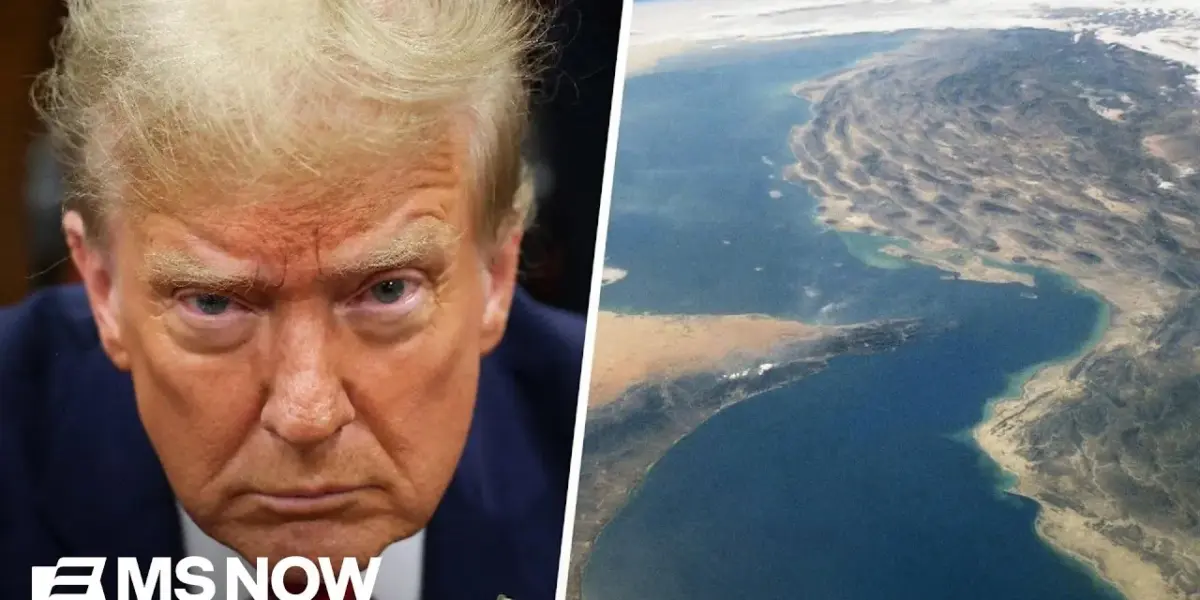
US President’s Rhetoric Raises Alarms Over Potential Conflict with Iran
As tensions escalate with Iran, President Donald Trump’s public statements have ignited serious concerns among military leaders, legal experts, and international observers regarding the potential for war crimes and the erosion of military ethics. The president’s forceful language, including threats to bomb Iran “back to the Stone Age” and “end civilization,” has put U.S. military command in a precarious position, forcing them to reconcile his rhetoric with the laws of warfare.
Military Leaders Face Ethical Crossroads
General Wesley Clark, a retired four-star general and former NATO Supreme Allied Commander, expressed deep concern over the president’s approach. “I think it’s important that the air campaign and the striking power of U.S. forces to coerce a favorable outcome to the conflict and get it over with,” Clark stated. However, he cautioned that the president’s rhetoric, which he described as “hyperbolic and intentionally hyperbolic in an effort to coerce,” might be a misreading of the adversary’s psychology.
Barbara Starr, a veteran Pentagon reporter, noted the unprecedented nature of the president’s public pronouncements. “I don’t think any of us have,” she said when asked if she had ever heard a president speak like this. Starr highlighted the critical question facing the U.S. military: Will they adhere to the president’s potentially unlawful orders, or will a wave of resignations ensue? “If we are headed into resignations by top military officials, that takes the United States into truly uncharted territory,” she warned.
White House Dynamics and Diplomatic Stalemate
Peter Baker, chief White House correspondent for The New York Times, questioned whether anyone within the president’s inner circle is attempting to temper his aggressive stance. He pointed to Vice President J.D. Vance, who has previously expressed skepticism about overseas military involvement, as a potential voice of caution. However, Vance is currently abroad in Hungary, leaving a vacuum in crucial discussions. “The president himself seems to be driving this train,” Baker observed, raising doubts about whether those around him are offering genuine counsel or simply agreeing with his impulses.
Meanwhile, diplomatic efforts to de-escalate the situation appear to be failing. Pakistani sources and Gulf diplomats have indicated that the chances of a deal to reopen the Strait of Hormuz and establish a ceasefire before a critical deadline are extremely low. This diplomatic stalemate intensifies the pressure on military decision-makers.
Iran’s Response and Regional Instability
Inzamam Rashid, an MSNBC contributor reporting from the region, described the atmosphere as a “region on tenterhooks.” Iranian officials, including the Red Crescent, have claimed that U.S. forces have already struck civilian sites, a charge that complicates the narrative for the American public. The IRGC Missile Command has issued a stark warning, vowing to strike infrastructure in a way that would “deprive the United States and regional countries of oil and gas resources for years to come.” Orders have reportedly been transmitted, with operations expected to begin immediately.
The potential for retaliation has heightened regional anxiety. Reports of fighter jets overhead in the UAE suggest military repositioning. Iran has already targeted energy facilities in Saudi Arabia, Bahrain, Kuwait, Qatar, and the UAE, demonstrating its capacity and willingness to strike regional infrastructure. U.S. embassies in the region are reportedly evacuating staff, and U.S. military bases are on high alert.
The Dilemma of “Dual-Use” Targets
General Clark suggested that U.S. forces would likely adhere to the laws of armed conflict, targeting only legal and legitimate military objectives. This could include power plants supporting military factories or research facilities, and bridges crucial for military logistics. “They will find military targets. I don’t think they will follow the rhetoric. They will follow what is legal and proper,” he asserted.
However, Barbara Starr pointed out the difficulty military lawyers face. “Even if they do their very best, whatever targets they strike, international lawyers will look to the president’s language and words and posts he put out to the public and have to assess them through that lens?” she questioned. The president’s public statements create a challenging precedent, potentially making it difficult to defend any military action against accusations of war crimes, regardless of the actual targets chosen.
Human Shields and Escalating Threats
Compounding the volatile situation, Iranians are reportedly being mobilized to act as human shields in front of potential military targets like power plants and bridges. Images released by Iranian state TV show civilians, including children, positioning themselves to deter strikes. This tactic, while designed to prevent attacks, further complicates the military’s targeting decisions and raises humanitarian concerns.
Looking Ahead: A Region on Edge
With diplomacy seemingly at a dead end and military action appearing imminent, the region remains on edge. The Strait of Hormuz, a critical global oil chokepoint, remains under Iranian control. The coming hours will be crucial as the world watches to see how the United States will respond to Iran’s actions and whether President Trump’s rhetoric will translate into legally defensible military operations or cross the threshold into war crimes. The potential consequences for millions in Iran and across the wider region are immense.
Source: Iran refuses to budge on Trump demands to reopen Strait of Hormuz (YouTube)

Related Articles
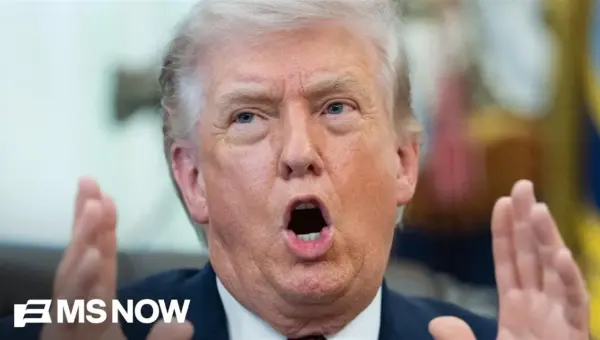
Trump’s Words Harm US Standing, Damage Democracy: Law Prof
Legal experts warn that President Trump's rhetoric has already harmed America's global standing and strained its democracy. Discussions highlight concerns over potentially unlawful military orders targeting civilian infrastructure and the legal obligations of service members. The debate also revisits the effectiveness of the Iran nuclear deal, with former negotiator Robert Malley asserting diplomacy's superiority over military action.
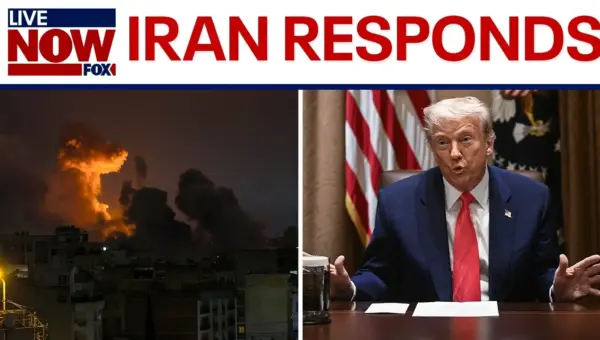
Iran Vows ‘Immediate Action’ as Trump Deadline Looms
Iran has warned of 'immediate and proportionate action' if President Trump follows through on threats to strike following a looming deadline. Tensions have escalated over the Strait of Hormuz, a vital global shipping lane, with direct diplomacy between the U.S. and Iran now severed.
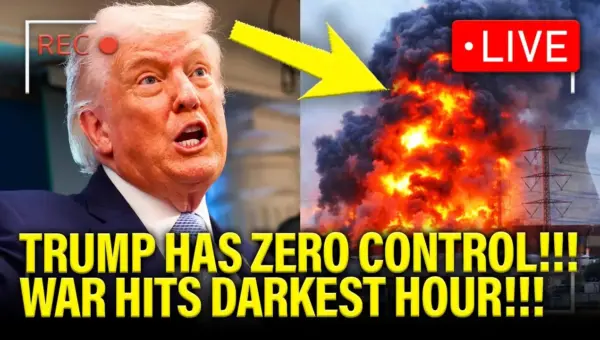
Trump Faces Legal Reckoning as Key Deadlines Loom
Critical deadlines are fast approaching in the multiple legal cases involving former President Donald Trump. These legal battles are testing the rule of law and the justice system's ability to hold powerful figures accountable. The outcomes could significantly impact Trump's political future and set precedents for future leaders.