Trump’s Iran Threats Signal Economic Peril and Sanity’s Erosion
Donald Trump's aggressive rhetoric towards Iran, threatening war crimes over oil flow, signals economic peril and raises questions about his stability. This analysis explores the historical context and economic implications of such volatile pronouncements.

Trump’s Rhetoric on Iran Escalates Amidst Economic Fears
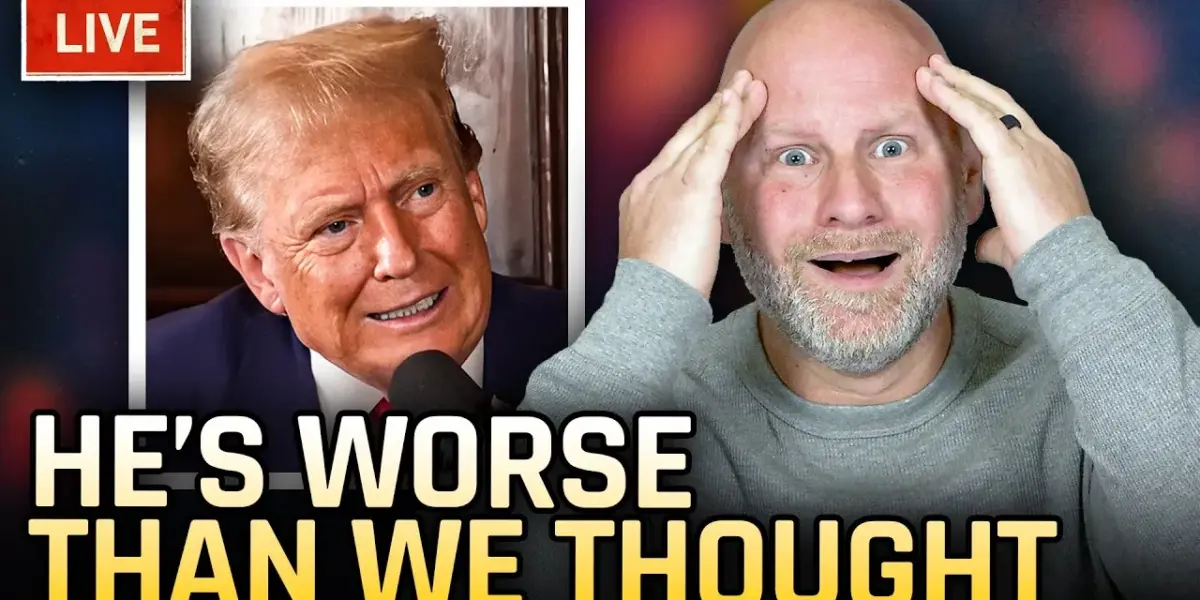
The recent pronouncements from former President Donald Trump on the social media platform Truth Social regarding Iran have ignited a firestorm of concern. Describing Trump as increasingly “unhinged,” commentator Farron Cousins highlights a pattern of aggressive rhetoric directed at Iran, particularly concerning the potential obstruction of oil tanker flow. This verbal escalation, Cousins suggests, is not merely a political outburst but a symptom of mounting pressure, potentially linked to broader geopolitical and economic anxieties.
The Specter of War Crimes and Economic Instability
Central to Cousins’ analysis is Trump’s explicit threat of “war crimes” against Iran should they interfere with oil shipments. This language, according to the analysis, is highly inflammatory and raises serious questions about international law and the potential consequences of such rhetoric. The underlying economic concern is the impact of fluctuating oil prices on the U.S. economy. The transcript posits that Iran is aware of this vulnerability, and Trump’s agitated response underscores a perceived inability to manage the situation effectively. Cousins frames this as a sign of deteriorating mental composure, a “lunatic” reaction as “the last pieces of his sanity disappear forever.”
Historical Context: Sanctions, Geopolitics, and Shifting Alliances
To understand the current tensions, a brief look at the historical context is essential. U.S.-Iran relations have been fraught since the 1979 Islamic Revolution. Successive U.S. administrations have employed various strategies, including sanctions and diplomatic isolation, to curb Iran’s nuclear program and influence in the region. Trump’s presidency saw a significant escalation of these policies, with the U.S. withdrawing from the Joint Comprehensive Plan of Action (JCPOA) in 2018 and reimposing stringent sanctions. This period was marked by heightened rhetoric and several near-confrontational incidents in the Persian Gulf. The current climate, therefore, is not entirely unprecedented but represents a continuation and potential intensification of long-standing animosities, now amplified by the specific economic leverage Iran might wield through its control over vital oil transit routes.
Economic Vulnerabilities and Strategic Calculations
The transcript implicitly points to the delicate balance of global energy markets. The price of oil is a significant driver of inflation and economic stability worldwide. Any disruption to supply, particularly from a major producer like Iran, can have immediate and far-reaching consequences. Iran, facing its own economic challenges due to sanctions, may see interfering with oil flow as a strategic tool to exert pressure on the international community and potentially alleviate its own economic burdens. Trump’s reaction, as described, suggests a recognition of this economic lever and a potentially impulsive response driven by the fear of domestic economic fallout.
Analyzing Trump’s Rhetorical Style and Political Strategy
Cousins’ commentary focuses heavily on Trump’s communication style, particularly his use of Truth Social. This platform has become a primary channel for Trump’s unfiltered thoughts and reactions. The description of his language as “violently” lashing out and acting like a “lunatic” suggests a critique of his temperament and his suitability for high office. This rhetorical approach, while perhaps resonating with his base, is also seen as destabilizing by critics, particularly when directed at international relations and economic policy. The assertion that his “sanity” is eroding is a strong claim, intended to convey a sense of irrationality and unpredictability in his decision-making process.
Balanced Viewpoints: The Complexity of International Diplomacy
While Cousins presents a critical view of Trump’s actions, it’s important to acknowledge the complexities of international diplomacy. Governments often use strong rhetoric as a negotiating tactic or to signal resolve. The situation in the Persian Gulf is inherently volatile, and threats from any side can be interpreted in multiple ways. Iran’s actions, past and present, have also been subject to international scrutiny. However, the specific focus of the analysis is on the *reaction* to potential Iranian actions and the perceived detrimental impact of Trump’s response on both geopolitical stability and economic well-being. The argument is not necessarily that Trump’s concerns about oil flow are invalid, but rather that his *method* of addressing them is seen as counterproductive and indicative of deeper issues.
Why This Matters
The implications of this situation extend far beyond political commentary. If Trump’s rhetoric reflects a potential future foreign policy approach, it signals a return to a more confrontational and less predictable stance on the global stage. The threat of war crimes, even if hyperbolic, normalizes extreme language and could have serious repercussions for international humanitarian law. Furthermore, the direct link drawn between Trump’s emotional state and the U.S. economy highlights the critical interdependence of foreign policy and domestic economic health. A volatile approach to international relations, especially concerning vital resources like oil, can directly translate into higher prices for consumers and broader economic instability. This analysis serves as a stark warning about the potential consequences of leadership driven by perceived personal grievance or emotional volatility rather than calculated diplomacy.
Trends and Future Outlook
The trend towards heightened rhetoric in international relations, particularly from populist leaders, is a significant development. Social media platforms have accelerated the dissemination of such messages, often bypassing traditional media filters. The future outlook suggests a continued tension between the desire for stable international relations and the appeal of aggressive, nationalistic posturing. For the U.S., the economic implications of any conflict or severe disruption in the Middle East remain a critical concern. Policymakers will need to navigate these complex dynamics, balancing national interests with the imperative of global stability. The role of energy security in geopolitical strategy is unlikely to diminish, and any administration will face the challenge of ensuring reliable supply while managing international relations.
Conclusion: A Call for Measured Response
The commentary presented offers a critical perspective on Donald Trump’s recent statements regarding Iran. It frames his aggressive language as a sign of personal and political strain, with potentially severe economic and geopolitical consequences. While the transcript does not offer direct solutions, the underlying message is a call for a more measured, strategic, and less emotionally driven approach to foreign policy. The interconnectedness of global economics and international relations demands careful consideration, and the erosion of reasoned discourse, as suggested by the analysis, poses a significant threat to both.
Source: Iran Has Obliterated The Last Of Trump's Sanity (YouTube)

Related Articles
Oil Shock Jolts Auto Supply Chain, Threatens Production
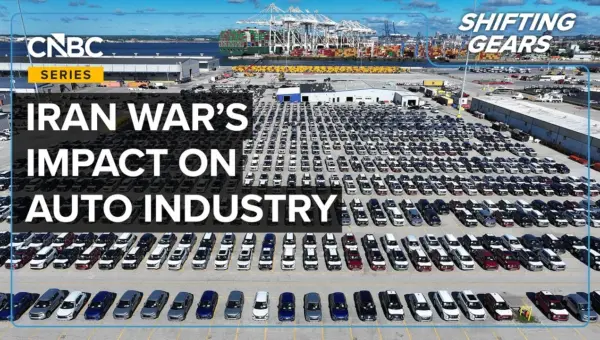
Geopolitical tensions in the Strait of Hormuz are driving up oil prices, threatening the global auto supply chain. Soaring energy costs and potential raw material shortages could lead to increased manufacturing expenses and higher vehicle prices for consumers, complicating the industry's transition to EVs.


Ukraine’s Drone Tech to Defend US Bases: A Geopolitical Game-Changer
The United States is now seeking advanced drone technology from Ukraine to protect its military bases in the Middle East, marking a significant shift in global defense dynamics. This move highlights Ukraine's innovation in drone warfare and its growing strategic importance in countering Russian aggression.


Trump’s Pressure Forces China to Rethink Economic Future
China's latest economic blueprint, revealed at the "Two Sessions," signals a significant recalibration driven by internal challenges and external pressures, particularly from the U.S. under Trump. Facing a "crumbling" economy, Beijing is lowering growth targets and pivoting to "new quality productive forces" while grappling with massive debt and a potential overcapacity crisis.