Trump’s Iran Threats Fall Flat: Experts Doubt ‘OTT’ Tactics
President Trump has extended his deadline for Iran, threatening severe action if demands are not met. Experts like Catherine Philp of The Times doubt the effectiveness of these 'over the top' threats, arguing Trump misunderstands the Iranian regime. The situation is complicated by Israel's stance and the potential for devastating retaliation against regional infrastructure.

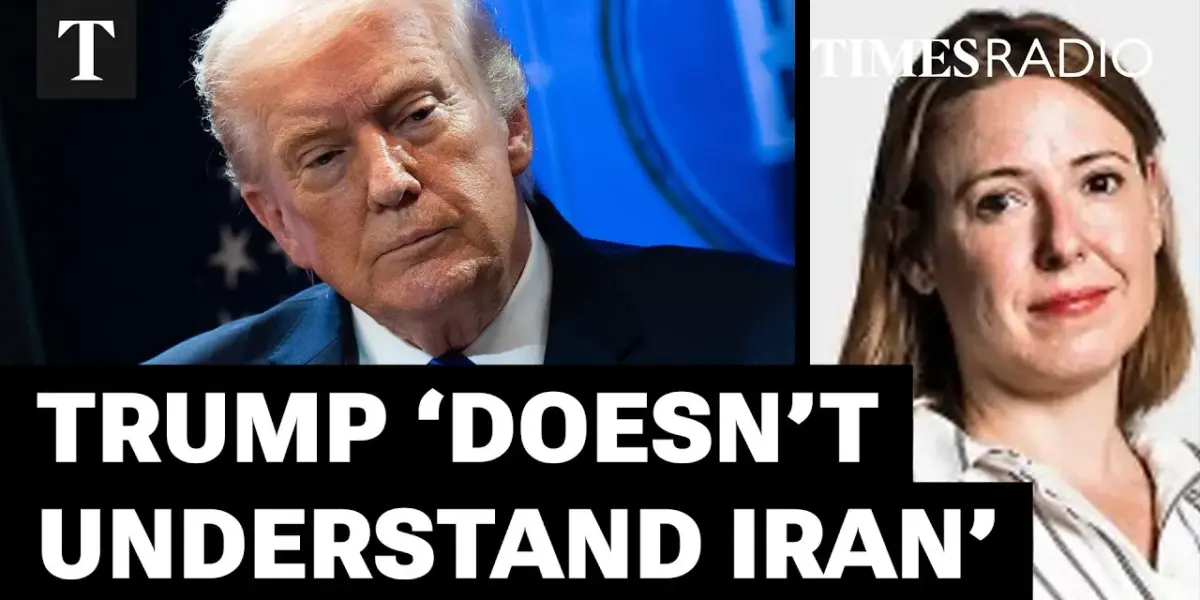
US President Extends Deadline Amidst Growing Frustration
President Donald Trump has once again extended his deadline for Iran to agree to a deal and reopen the Strait of Hormuz. The new deadline passed at 1:00 a.m. UK time, following a period of intense diplomatic pressure and threats. If Iran’s leaders fail to comply, the US president has vowed to destroy their bridges and power plants within a single night, even vowing to bomb the country “back to the stone ages.” So far, Iran has shown no sign of bowing to these demands.
Expert Skepticism on Trump’s ‘OTT’ Threats
Catherine Philp, The Times’ World Affairs Editor, expressed skepticism about the effectiveness of President Trump’s aggressive tactics against Iran. “We’ve seen these deadlines come and go,” Philp noted, pointing out that the previous deadline expired the day before. She suggested that Trump appears frustrated and unsure of his next steps, resorting to what she described as “OTT” or “over the top” threats. While acknowledging that Trump has the capability to carry out such attacks, Philp emphasized that these threats are unlikely to work on Iran. “He doesn’t fundamentally understand the nature of the regime and how they respond to this kind of a threat,” she stated.
Iran’s Stance and a 10-Point Plan
Philp explained that Iran’s response has been largely to keep the Strait of Hormuz blocked, except for close allies. However, Iran has also submitted a 10-point plan to Pakistan outlining its demands. This plan, while perhaps not “maximalist” under normal circumstances, is significant given the ongoing conflict. A key demand is for America to compensate Iran for damages already incurred. The plan does propose reopening the Strait of Hormuz, a point President Trump had previously dismissed.
Philp observed that President Trump’s reactions often seem more influenced by market responses than by regional realities. “He’s shown himself more sensitive to how the markets react to what he says than really anything that’s happening in the region,” she commented.
Israel’s Role and Concerns Over Civilian Infrastructure
The conversation also touched upon Israel’s influence in the situation. Reports indicate that Israeli Prime Minister Netanyahu is not keen on a ceasefire and has actively tried to steer President Trump away from one. Philp suggested that the conflict has strong Israeli motivations, as Israel has been directly attacked by Iran in the past, unlike the US. Netanyahu’s stance on Gaza shows he has “no compunction about the kind of destruction that Donald Trump is talking about.”
Philp warned that striking civilian infrastructure, as Trump has threatened, could amount to war crimes. She noted that Iran has already inflicted significant distress on its neighbors through similar actions. If Trump were to target Iran’s infrastructure, potentially rendering it “uninhabitable for a modern population,” Iran could retaliate against its neighbors. This is particularly concerning for Gulf states like Dubai, which rely heavily on desalination plants for fresh water. Such attacks could cripple their economies, which have already suffered.
Israel, Philp added, is in a relatively safer position, being out of reach of some of Iran’s destructive capabilities, such as the Shahed drones. These drones pose a significant threat to Gulf states but do not directly affect the US, suggesting a potential disconnect in how threats are perceived.
The Temptation of High-Tech Warfare
William Hague’s column in The Times discussed how technology has changed warfare, making it potentially more straightforward to conduct strikes, even against foreign leaders. Philp agreed that this technological advancement presents a “great temptation” for leaders like Trump. She drew a parallel to the situation in Venezuela, where the swift removal of a leader was perceived as easy.
“I think that gave him a very artificial sense of the power that he has to go into a place like Iran and try and bring it to heel,” Philp explained. “It simply doesn’t respond to the same kind of warfare.” She concluded that while high-tech tools might have aided in pinpointing targets in other scenarios, they do not translate to effective control over a regime like Iran’s, which operates differently.
Source: Trump’s ‘OTT Threats’ Won’t Work On Iran | Catherine Philp (YouTube)

Related Articles
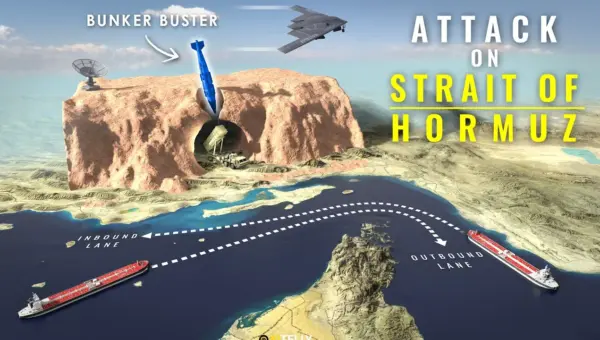
Iran’s Strait of Hormuz Trap: How the US Fights Back
Iran's strategy to control the Strait of Hormuz involves using islands as bases for anti-ship missiles and launching swarm attacks with small boats. The US counters with advanced defense systems, surveillance drones, and powerful bunker-buster bombs, highlighting the ongoing tension in this vital global shipping lane.
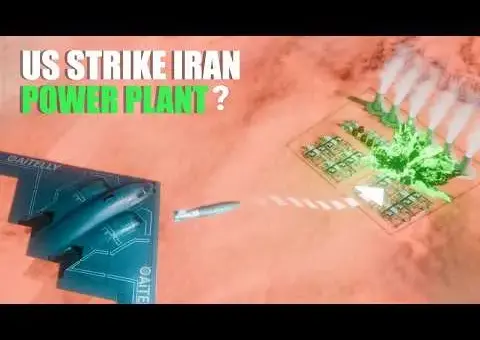
US Aims to Cripple Iran’s Power Grid to Secure Strait of Hormuz
A new US strategy reportedly targets Iran's power grid, including major plants like Damavand, to force open the Strait of Hormuz. The plan involves multi-stage air attacks using advanced bombers and precision munitions to cripple energy infrastructure and cause cascading failures.

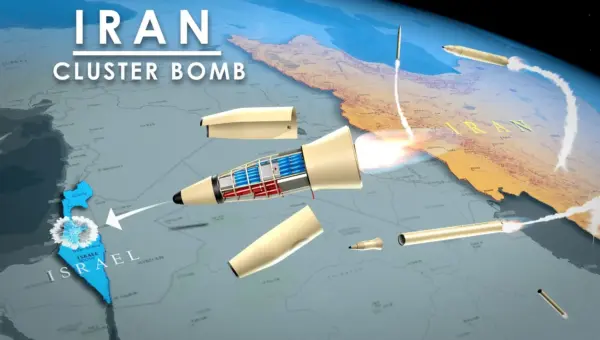
Iran’s Cluster Bombs: A Calculated Gamble to Overwhelm Defenses
Iran's use of cluster bombs against Israel was a deliberate tactic to overwhelm advanced missile defenses. These weapons scatter numerous smaller explosives, making interception difficult. While tactically advantageous, they raise serious humanitarian concerns due to their indiscriminate nature and unexploded ordnance.