Trump’s Iran Threats: A Risky Election Year Gamble?
President Trump's strong threats against Iran are creating a difficult situation as an election nears. His past promises to avoid Middle East conflicts clash with current military actions, impacting his credibility and domestic concerns like gas prices. The administration's approach faces criticism, but the goal of preventing Iran's nuclear ambitions is widely shared.

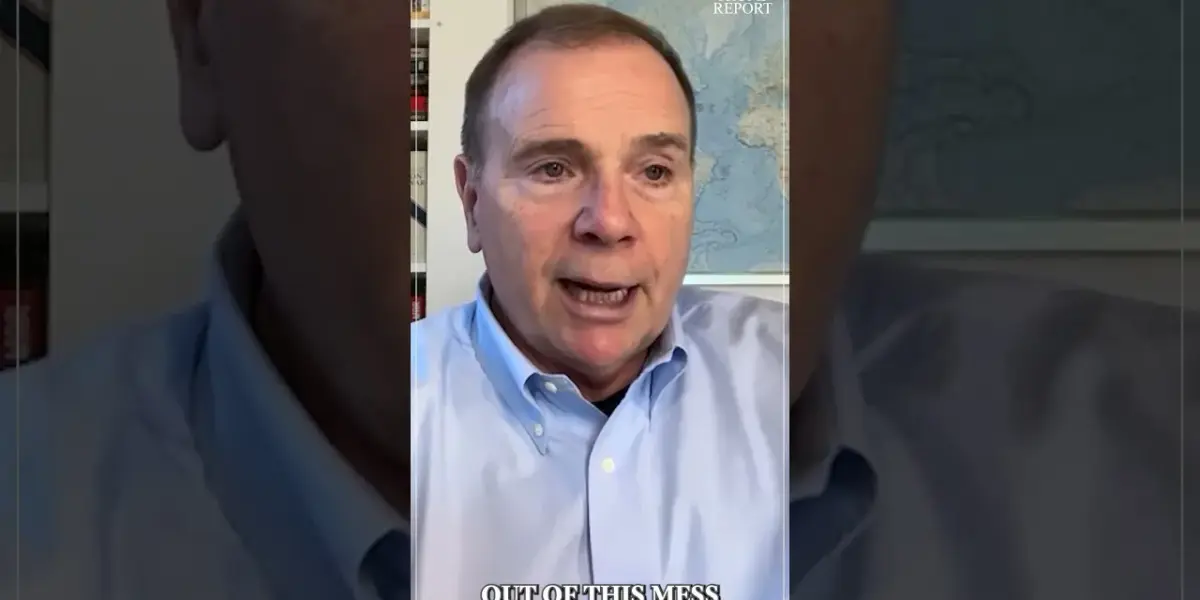
Trump’s Iran Threats: A Risky Election Year Gamble?
President Trump has made strong threats against Iran, promising severe action if a ceasefire agreement is not followed. This has put him in a difficult position, especially as an election year approaches. When leaders make big threats and don’t act on them, it can weaken their standing and make people less likely to believe them in the future. This is exactly the kind of situation Trump finds himself in right now.
A key part of Trump’s past success was his promise to end what he called ‘mindless Middle Eastern wars.’ However, he has now started new military actions in the region. This is happening even though he has not gotten the official approval from Congress, which is normally required for such actions. The situation has also led to higher gas prices and increased inflation, which directly affects American households.
The Domestic Dilemma
With an election coming up, Trump needs to find a way out of this complicated situation he helped create. His supporters might not be happy about new military conflicts, especially after he promised to avoid them. The rising cost of everyday goods, like gasoline, is a major concern for voters. This puts pressure on him to resolve the conflict without further damaging his chances of reelection.
Past Promises vs. Present Actions
It’s worth remembering Trump’s campaign promises. He campaigned on a platform of non-intervention in the Middle East. Many voters supported him because they wanted a change from prolonged military engagements. Now, his administration is involved in actions that seem to contradict those earlier pledges. This disconnect could alienate some of his base.
Criticisms of the Administration’s Approach
While the goal of stopping Iran’s support for terrorism and preventing it from obtaining nuclear weapons is widely shared, the way the Trump administration has handled the situation faces criticism. The lack of congressional consultation is a significant point of concern. Furthermore, the administration’s tone towards traditional allies has sometimes been seen as dismissive. This approach can make it harder to build the necessary international support for U.S. policies.
“When you throw out these outlandish threats like this and then you don’t follow up on them, you really undermine your own credibility.”
This statement highlights the risk of making bold pronouncements without a clear plan for follow-through. It suggests that a consistent and credible foreign policy requires careful consideration of actions and their consequences.
Shared Goals, Different Paths
Despite the criticisms, there’s a common understanding that Iran’s actions in the region are problematic. No one wants to see Iran continue to fund terrorist groups or develop nuclear weapons. The desire to prevent Iran from becoming a nuclear power is a goal shared by many, both within the U.S. and among its allies. The disagreement lies in the best strategy to achieve these shared objectives.
Why This Matters
The decisions made regarding Iran have significant consequences. They affect regional stability, global energy markets, and the U.S.’s standing on the world stage. For Americans, the impact is felt directly through economic factors like gas prices and inflation. The president’s credibility is also on the line, especially in an election year where voters are scrutinizing his every move. How this situation is managed will likely influence voter perceptions and the broader foreign policy direction of the country.
Implications and Future Outlook
The current situation presents a complex challenge. If Trump escalates actions against Iran, it could lead to wider conflict and further economic instability. If he backs down from his threats, it could be seen as a sign of weakness, both domestically and internationally. The administration needs to carefully balance its desire to counter Iran’s influence with the need to maintain credibility and avoid unnecessary conflict. The path forward will likely involve a mix of diplomacy, economic pressure, and potentially targeted military responses, all while navigating the pressures of a domestic election.
Historical Context
U.S.-Iran relations have been strained for decades, particularly since the 1979 Iranian Revolution. Periods of intense tension have often been punctuated by threats and limited military engagements. Previous administrations have also faced challenges in dealing with Iran’s nuclear program and its regional activities. Trump’s approach, characterized by strong rhetoric and a willingness to challenge established diplomatic norms, represents a continuation of this complex and often volatile relationship.
Source: Will Trump follow through with his threats to strike Iran if the ceasefire agreement isn't followed? (YouTube)

Related Articles


NFL Faces Antitrust Probe Over Streaming Game Fees
The Justice Department is investigating the NFL over its game streaming fees, aiming to ensure consumer affordability. Meanwhile, a 60-year-old man has walked onto a college football team, aiming to become the oldest player. Tensions remain high in the Middle East as peace talks loom, and First Lady Melania Trump has addressed rumors linking her to Jeffrey Epstein.

Congress Must Curb Trump’s War Powers Now
Concerns are mounting over President Trump's actions regarding Iran, prompting calls for Congress to reclaim its constitutional war powers. Senator Schumer is forcing a vote to highlight this issue, putting Republicans in a tough spot during an election year. This debate is crucial for maintaining the balance of power in U.S. foreign policy.

Iran Demands Full Control Over Strait of Hormuz
Iran is pushing for maximum control over the Strait of Hormuz, presenting a maximalist demand in ongoing negotiations. Deep disagreements persist between key global players, particularly concerning Iran's nuclear ambitions and the stability of a potential ceasefire. The clarity and unity of negotiating teams remain uncertain, adding further complexity to the delicate geopolitical situation.