Trump’s Iran Threats: A Dangerous Escalation?
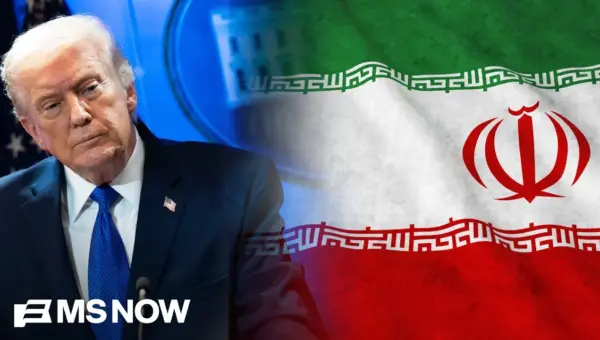
Donald Trump's recent Truth Social posts and interviews reveal a pattern of aggressive rhetoric towards Iran, including threats of destruction. This volatile approach raises concerns about potential escalation and international instability.


Trump’s Iran Threats: A Dangerous Escalation?
Donald Trump has a habit of posting controversial messages on holidays. Usually, these posts include insults for his perceived enemies. This past Easter Sunday, however, Trump’s message was far more alarming. Instead of his usual holiday greetings to ‘haters and losers,’ he posted a threat directed at Iran.
His message, posted on Truth Social, declared Tuesday would be ‘power plant day and bridge day’ in Iran. He added, ‘There will be nothing like it. Open the [expletive] straight, you crazy bastards, or you’ll be living in hell.’ He concluded with ‘Praise be to Allah.’ This short statement packed a serious punch, combining accusations of war crimes, intense anger, and mockery of a religion.
A Pattern of Aggression
This wasn’t the only concerning post from Trump regarding Iran. The day before, on Saturday morning, he had written, ‘Remember when I gave Iran 10 days to make a deal or open up the Hormuz Strait. Time is running out. 48 hours before all hell will rain down on them. Glory be to God.’ These statements suggest a pattern of escalating threats and a willingness to use aggressive language towards Iran.
Adding to the concern, Trump gave an interview to Axios shortly after these posts. He stated, ‘There is a good chance we reach a deal with Iran, but if they don’t make a deal, I am blowing up everything over there.’ He also mentioned that while negotiations were going well, ‘you never get to the finish line with the Iranians.’ This suggests a volatile approach to foreign policy, where talks can quickly turn into threats of destruction.
Historical Context
The United States and Iran have a long and complicated history. Diplomatic relations were severed after the 1979 Iranian Revolution. For decades, tensions have remained high, marked by sanctions, proxy conflicts, and periods of direct confrontation. Previous administrations have sought diplomatic solutions, sometimes with limited success, while others have adopted more confrontational stances.
Trump’s presidency saw a significant shift in U.S. policy towards Iran. He withdrew the U.S. from the Joint Comprehensive Plan of Action (JCPOA), also known as the Iran nuclear deal, which aimed to curb Iran’s nuclear program. This move was met with strong criticism from allies and increased tensions in the region. His administration also imposed severe economic sanctions on Iran.
Why This Matters
The rhetoric used by Donald Trump carries significant weight, especially when directed at a nation like Iran. Such strong language can be misinterpreted or escalate existing tensions. It can also create uncertainty for allies and adversaries alike, making diplomatic efforts more difficult. The potential for miscalculation is high in international relations, and aggressive public statements can increase that risk.
Furthermore, the combination of threats, insults, and religious mockery is unusual for official communications from a political figure, particularly one who has held the highest office in the United States. It raises questions about the stability and predictability of U.S. foreign policy under such rhetoric. The mention of ‘war crimes’ and ‘blowing up everything’ points to a potential for severe conflict if these threats were ever acted upon.
Implications and Future Outlook
If Donald Trump were to regain the presidency, these statements suggest a potential return to a highly confrontational foreign policy, particularly concerning Iran. The unpredictability of his approach could lead to increased global instability. Allies might question the reliability of U.S. commitments, while adversaries could be provoked into aggressive responses.
The future outlook depends heavily on how these statements are perceived by the Iranian government and the international community. While some may dismiss them as mere political bluster, others might see them as a genuine indication of future actions. The effectiveness of diplomacy often relies on clear communication and predictable behavior, both of which seem to be challenged by Trump’s recent remarks.
Ultimately, the language used in international affairs is not just about words; it can have real-world consequences. The statements made by Donald Trump about Iran highlight the critical need for careful consideration of rhetoric in diplomacy and the potential dangers of unchecked aggression in international relations.
Source: Something is DANGEROUSLY wrong with Trump (YouTube)

Related Articles
Iran Strait Threat Puts Global Oil Flow at Risk
Tensions are high around the Strait of Hormuz, a vital global oil shipping route. Experts warn that Iran has the capacity to disrupt this waterway with relatively simple tactics, potentially impacting global energy prices. The situation underscores the geopolitical risks affecting international trade.

Trump’s Iran Strategy: War Crimes or Necessary Force?
Accusations of war crimes are swirling around Donald Trump's strategy in Iran, with critics alleging threats to civilian infrastructure. The approach has shifted from encouraging protests to potentially devastating the country, sparking debate on historical context and future implications.
Economist Calls Trump’s Iran War Rebound Claims ‘Nonsense’
Economists are dismissing President Trump's claims that the economy will rebound swiftly after the Iran conflict, calling the assertion "nonsense." Experts warn of prolonged economic disruption, citing falling stock prices, rising inflation, and decreased consumer confidence. The conflict's financial strain is also fueling voter anxiety about the American Dream and domestic priorities.