Trump’s Iran Threat: Not Bluster, But a Warning Sign
MSNBC's Ali Velshi warns against dismissing Donald Trump's threat to destroy Iran's 'civilization' as mere talk. History shows dehumanizing language can precede mass atrocities. Velshi urges Americans to speak out against such rhetoric at the ballot box and in public spaces.

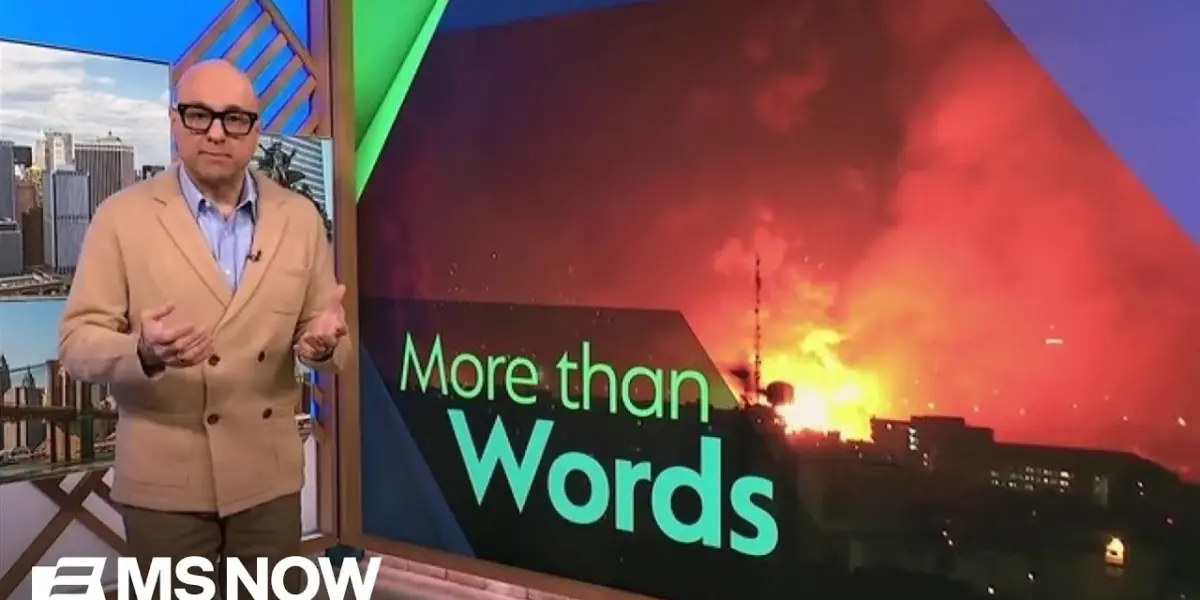
Trump’s ‘Civilization’ Threat: More Than Just Words?
Ali Velshi, a prominent voice at MSNBC, is urging Americans not to ignore Donald Trump’s recent threat to destroy “a whole civilization” in Iran. Velshi argues that this statement, delivered at a campaign rally, should be taken far more seriously than typical political rhetoric. He warns that history offers a grim lesson: the line between aggressive talk and real-world destruction is often crossed through the dehumanization of a target group.
The MSNBC anchor’s concern stems from the historical pattern where inflammatory language, particularly when directed at entire nations or groups of people, can pave the way for devastating actions. Velshi believes that Trump’s words, while seemingly extreme, echo dangerous precedents. He suggests that if such rhetoric goes unchallenged, it risks becoming normalized and potentially leading to catastrophic consequences.
The Danger of Dehumanization
Velshi draws a direct parallel between Trump’s language and the historical processes that have led to mass atrocities. He explains that dehumanization is a critical step that makes violence against a group seem acceptable or even necessary. When a group is portrayed as less than human, it becomes easier for leaders and their followers to justify extreme measures against them.
This process often starts with rhetoric that strips away the humanity of the targeted population. By referring to an entire civilization as something to be destroyed, Trump is, in Velshi’s view, engaging in this dangerous form of dehumanization. This makes the idea of extreme military action seem less like an act of war against people and more like the eradication of a problem.
A Call to Action for Americans
The core of Velshi’s message is a powerful call to action for American citizens. He stresses that silence in the face of such dangerous rhetoric is not neutral; it can be interpreted as agreement or acceptance. Velshi insists that Americans have a responsibility to speak out against language that threatens violence and dehumanizes entire populations.
He outlines several avenues for this resistance: voting in elections, participating in public protests, and making their voices heard in all public and private spaces. Velshi believes that collective action is essential to counteract the potential harm of Trump’s words. If Americans remain silent, he contends, they implicitly endorse the sentiment, making it a shared responsibility.
Historical Echoes and Broader Implications
The implications of Trump’s statement extend beyond the immediate threat to Iran. It raises questions about the role of rhetoric in international relations and the potential for dangerous escalation. History is replete with examples where strongman language has preceded conflict, often with devastating human costs.
Velshi’s analysis suggests that this isn’t just about one politician’s words; it’s about a pattern of communication that can have profound global consequences. The international community closely watches the rhetoric of major world leaders, and such statements can destabilize regions, incite fear, and increase tensions. The threat against Iran’s civilization can be seen as a symptom of a broader trend where political discourse becomes increasingly aggressive and less concerned with the human impact.
What to Watch Next
As the political landscape continues to evolve, the focus will remain on how these strong words translate into policy and action. The international community will be watching closely for any signs of escalation or diplomatic shifts regarding Iran. Furthermore, the response from American voters and citizens will be crucial in determining whether such rhetoric becomes normalized or is rejected.
The upcoming elections and public discourse surrounding foreign policy will be key indicators. Americans will have the opportunity to voice their stance on aggressive rhetoric and its potential consequences at the ballot box. The debate over the power of words versus the reality of actions will undoubtedly continue to shape discussions on national security and international relations.
Source: Don’t dismiss President Trump’s threat to destroy 'a whole civilization' (YouTube)

Related Articles

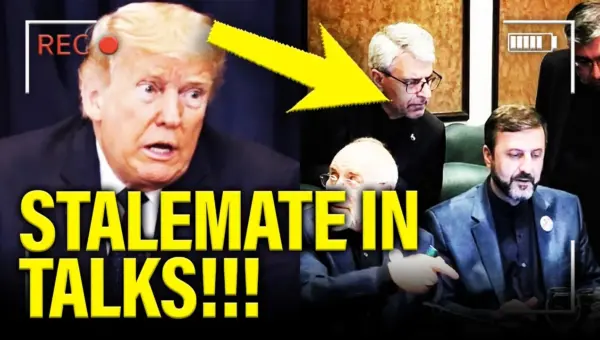
Iran Talks Stall: US ‘Arrogance’ Fuels Mideast Stalemate
Peace talks between Iran and the U.S. in Pakistan have stalled due to what Iran calls "excessive demands" and a U.S. attempt to alter a pre-agreed 10-point framework. Tensions are high, with both sides expressing deep mistrust and a readiness for conflict.
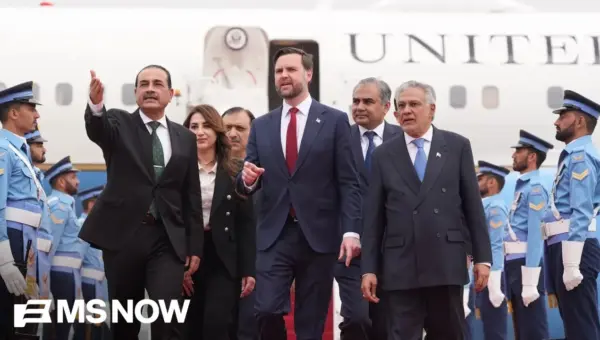
US Warships Transit Hormuz Amid Mine-Clearing Ops
Two U.S. Navy destroyers have entered the Persian Gulf through the Strait of Hormuz, beginning mine-clearing operations. This bold move by the U.S. military occurs amid ongoing peace negotiations and aims to secure vital oil tanker routes. The operation is seen as a risky but potentially crucial step towards restoring stability in a key global waterway.
Trump’s Pardon Promises Fuel Lawlessness Fears
Donald Trump's controversial promise to pardon those near the Oval Office raises alarms about encouraging lawlessness. Legal experts warn that while pardons have limits, such statements signal a disregard for legal principles and could embolden supporters to engage in questionable activities, believing they will be shielded from consequences.