Trump’s Iran Threat: A ‘Big Mistake’ With Global Consequences
Former Foreign Secretary William Hague has called President Trump's threats to bomb Iranian civilian infrastructure a "big mistake" that is morally wrong and legally indefensible. Experts warn of potential war crimes and global economic instability, while also discussing the broader implications of advanced technology in warfare.

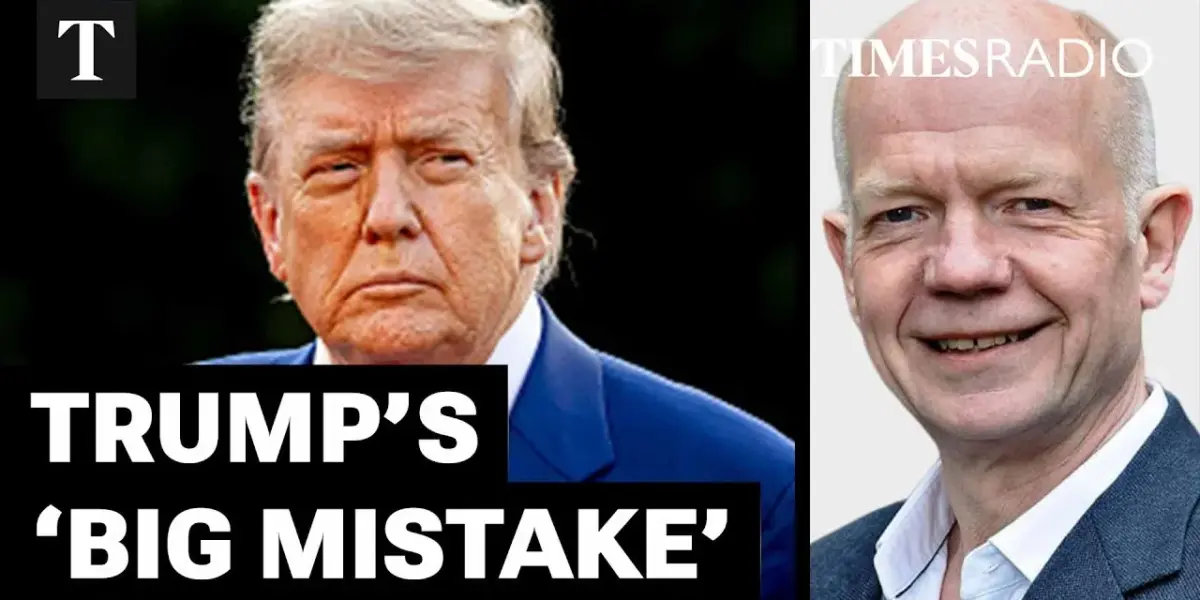
Trump Threatens Iran, Experts Warn of Major Misstep
President Donald Trump has issued a stark warning to Iran, threatening to attack its infrastructure if its leaders do not agree to his terms. This aggressive stance, which includes a demand for the reopening of the Strait of Hormuz within 16 hours, has drawn sharp criticism from foreign policy experts. William Hague, former Foreign Secretary, described the potential actions as a “big mistake” that is morally wrong, legally indefensible, and politically counterproductive.
Potential for War Crimes and Economic Instability
The core of the concern lies in Trump’s stated intention to target civilian infrastructure, such as bridges and power plants. Hague emphasized that deliberately harming millions of people is not only morally reprehensible but also legally indefensible. He argued that such actions would likely strengthen the Iranian regime internally, rather than weaken it, and could lead to further escalation of conflict across the Gulf. This could, in turn, cause oil prices to surge, creating wider economic instability.
“To destroy civilian infrastructure deliberately to harm millions of people really is is not morally right. It is legally indefensible.” – William Hague
Kzia, a commentator, echoed these concerns, highlighting Trump’s transactional approach to foreign policy. She suggested that his high-stakes threats are aimed at securing a deal, rather than promoting global security or the future stability of Iran. The surreal nature of these threats, juxtaposed with public appearances, underscores the unpredictable element in Trump’s decision-making.
The Age of Temptation: AI and Modern Warfare
Beyond the immediate Iran crisis, Hague raised a broader point about the evolving nature of warfare. He argued that advancements in artificial intelligence, cyber warfare, and precision weaponry are creating an “age of temptation” for leaders. The ability to target specific individuals or infrastructure with greater ease and less apparent risk could lower the threshold for conflict.
Hague warned that this shift is not unique to Trump but represents a global trend. As more states and even terrorist groups gain access to these powerful technologies, the world is likely to become less stable. He stressed the urgent need to build stronger defenses and resilience against these new threats, noting that the problem will persist long after Trump leaves office.
The discussion also touched upon the changing role of superpowers. Hague contrasted Trump’s approach with that of President Truman, who, despite possessing unprecedented power after World War II with sole control of nuclear weapons, exercised restraint. He lamented a perceived loss of wisdom and restraint, which were once hallmarks of American foreign policy aimed at building a more ordered world.
Kanye West Controversy: Ban or Dialogue?
The conversation then shifted to a separate controversy surrounding the rapper Kanye West. West has faced widespread condemnation for past antisemitic remarks, including the sale of swastika-adorned merchandise and a song titled “Hilde Hitler.” He recently issued a statement expressing a desire to meet with the Jewish community and present a “show of change” through his music.
William Hague expressed a reluctant but firm belief that West should be banned from the UK. He argued that while such powers should be used sparingly, West’s actions constitute premeditated hatred, not mere mistakes. He stated that there must be consequences for such blatant antisemitism to take a stand against it.
“This is not just a joke that went wrong or a momentary error of judgment… This is really premeditated hatred.” – William Hague
Kzia agreed, suggesting that the organizers of the Wireless festival, where West is scheduled to headline, are not facing enough pressure. She urged the festival organizers to reconsider their decision and, if they do not, then a ban might be the only option. She described West’s attempt to use the Jewish community as a shield to justify his presence and profit as “morally reprehensible.”
Forgiveness, Excuses, and Consequences
The discussion explored whether West could ever be forgiven, especially after blaming his bipolar disorder for his past statements. Hague acknowledged that while society should generally be more forgiving, West’s case is different. He pointed to a consistent record of outrageous actions and a recent contrition that seems to have emerged only due to public controversy, suggesting forgiveness should not be immediate.
The role of fans buying tickets was also debated. Kzia argued that the primary pressure should be on West and the festival organizers, not the fans who may not know the full extent of the controversy or may be attending for other artists. Hague added that while individuals can choose not to listen to West’s music, organizing and promoting him as a festival centerpiece is a different matter entirely, and organizers’ excuses are not sufficient.
Looking Ahead: Global Stability and Social Responsibility
The implications of Trump’s aggressive stance on Iran and the ongoing debate surrounding Kanye West highlight critical issues for the future. The potential for escalating conflicts driven by new technologies and the need for clear consequences for hate speech are challenges that require careful consideration. As global dynamics shift, the importance of restraint, ethical decision-making, and social responsibility will be paramount.
Source: This Is The 'Big Mistake' Trump Could Make In Iran | William Hague (YouTube)

Related Articles
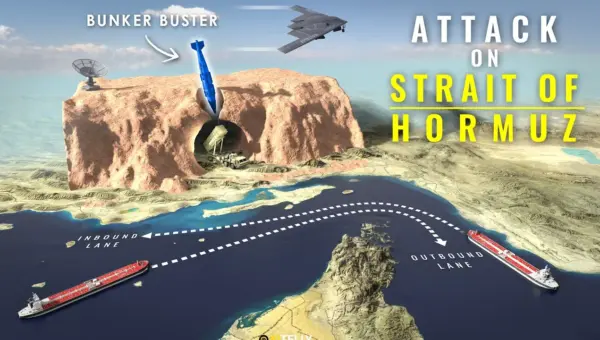
Iran’s Strait of Hormuz Trap: How the US Fights Back
Iran's strategy to control the Strait of Hormuz involves using islands as bases for anti-ship missiles and launching swarm attacks with small boats. The US counters with advanced defense systems, surveillance drones, and powerful bunker-buster bombs, highlighting the ongoing tension in this vital global shipping lane.
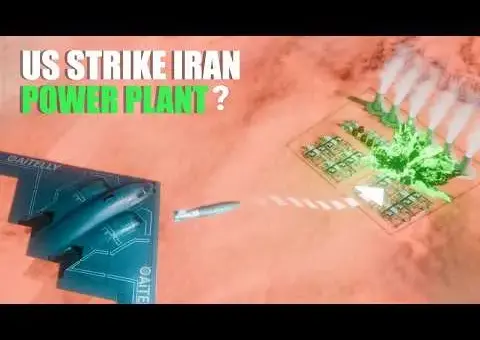
US Aims to Cripple Iran’s Power Grid to Secure Strait of Hormuz
A new US strategy reportedly targets Iran's power grid, including major plants like Damavand, to force open the Strait of Hormuz. The plan involves multi-stage air attacks using advanced bombers and precision munitions to cripple energy infrastructure and cause cascading failures.
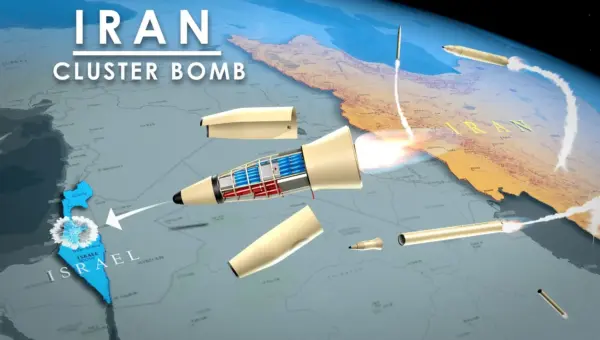
Iran’s Cluster Bombs: A Calculated Gamble to Overwhelm Defenses
Iran's use of cluster bombs against Israel was a deliberate tactic to overwhelm advanced missile defenses. These weapons scatter numerous smaller explosives, making interception difficult. While tactically advantageous, they raise serious humanitarian concerns due to their indiscriminate nature and unexploded ordnance.