Trump’s Iran Talks: A Real Estate Deal, Not Diplomacy?
Diplomatic efforts between the U.S. and Iran are faltering as a 15-point proposal was rejected, and Iran presented its own demands. Analysts question President Trump's negotiation style, comparing it to a real estate deal. Meanwhile, military actions and strained relationships with allies complicate the path to peace.

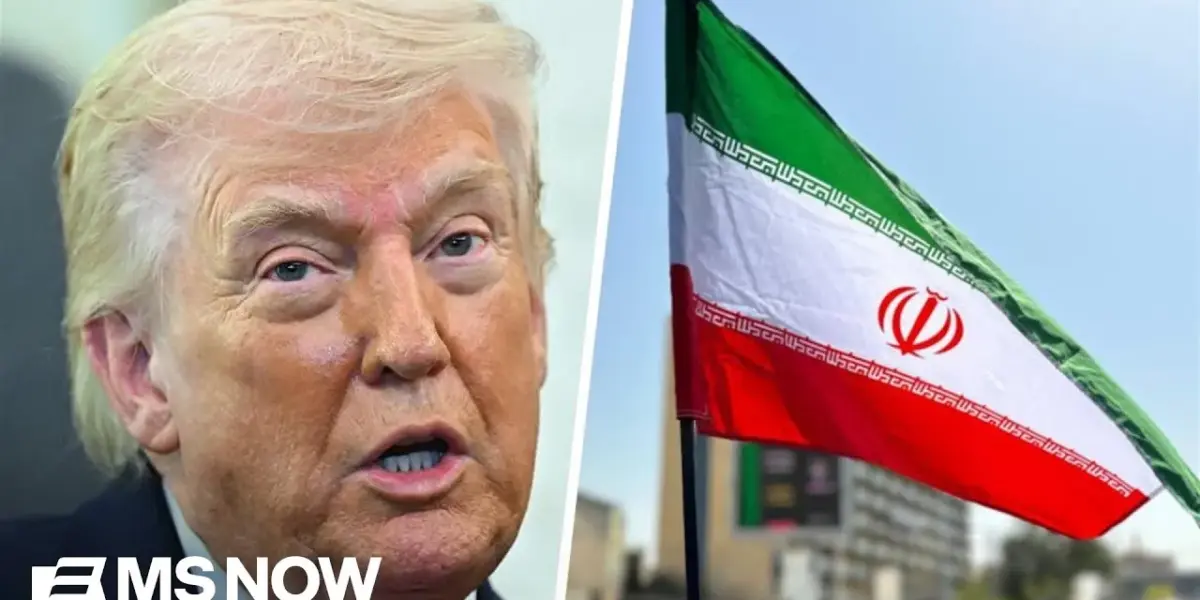
US-Iran Diplomacy Hits Snag Amidst Conflicting Signals and Military Actions
Recent diplomatic efforts between the United States and Iran to de-escalate tensions have stalled, with analysts suggesting President Trump is approaching the situation like a real estate negotiation rather than a traditional diplomatic process. Despite ongoing back-channel communications facilitated by Pakistan, a clear path toward a breakthrough remains elusive, complicated by military actions and public rhetoric from both sides.
A Rejected Proposal and Iranian Demands
A 15-point proposal, conveyed to Iranian negotiators through Pakistan, has been rejected by Iran. In response, Tehran has put forth its own set of demands. These include an end to aggressive actions, guarantees against future conflict, reparations for war damages, and sovereignty over the Strait of Hormuz, alongside an end to proxy wars.
The specifics of the U.S. plan and Iran’s response remain largely opaque. “The administration hasn’t released its plan. The Iranians haven’t released their plan. It’s all incredibly opaque and seemingly deliberately,” noted Richard Stengel, a political analyst and former undersecretary of state.
Pakistan’s Role as Mediator
Pakistan has confirmed its ongoing role as a mediator, relaying messages between the U.S. and Iran. The Pakistani foreign minister stated that his country is committed to promoting peace and regional stability, emphasizing that dialogue and diplomacy are the only way forward. This suggests a continued effort to keep communication lines open, even amidst heightened tensions.
“Pakistan’s very committed to being this communicator between the two countries,” said Inzamam Rashid, an MSNOW contributor with diplomatic sources. “What it seems is that the U.S. are clearly showing a sign that they want to try and negotiate, that they want to have discussions at least publicly anyway.”
Military Actions Undermine Diplomacy
However, concurrent military actions are casting a shadow over these diplomatic overtures. Israel has reportedly launched air assaults targeting Iran’s arms industries and facilities. Additionally, thousands of U.S. troops are being deployed to the region, raising concerns that any imposed deadline for a pause in fighting could be extended, or that an invasion might be under consideration.
The killing of an IRGC commander in Bandar Abbas, a key figure responsible for the Strait of Hormuz, by Israeli strikes further complicates matters. While some individuals with negotiation authority, like Iran’s foreign minister and parliamentary speaker, reportedly remain, their numbers are dwindling due to ongoing strikes.
Trump’s Negotiation Style Questioned
Analysts like Richard Stengel have criticized President Trump’s approach, suggesting he views the situation as a negotiation akin to a real estate deal, where truth may be secondary to tactics. “He sees his role as something different, negotiator-in-chief, where it doesn’t matter whether what you say is true or false because it’s all a negotiation,” Stengel explained.
This style of communication has reportedly baffled U.S. allies, leaving them in a state of uncertainty. “Politico is reporting his absurdly incoherent messaging on Iran, that’s how they put it, it has befuddled America’s allies,” noted Jackie Alemany, co-host of The Weekend on MSNOW.
Allies Growing Frustrated
The lack of clear strategy and Trump’s rhetoric, including recent comments about NATO, have strained relationships with traditional allies. “This has just been dreadful for any alliance that we have, I mean, we’re out there on our own,” Stengel commented, adding that allies are reluctant to assist, for example, in securing the Strait of Hormuz.
This situation reflects a broader shift, described as a “rupture in the old world order where the U.S. had a bunch of allies that we all worked together, that isn’t happening anymore.”
Republican Lawmakers Raise Concerns
Domestically, Republican lawmakers are also expressing frustration over the lack of clarity regarding the war in Iran. Members of the House Armed Services Committee have voiced concerns about not receiving clear answers about the administration’s plans. “We just wanted them to tell us what’s the plan and we didn’t get any answers,” stated one representative.
While Republican support for military actions has often been strong, a potential deployment of U.S. troops on the ground appears to be a red line for many. Concerns about loss of life, the cost of war, and a desire not to sacrifice American lives for potentially failed foreign policies are growing. “We will not sacrifice American lives for the same failed policies,” Congresswoman Nancy Mace posted on social media.
Regional Attacks Escalate
Meanwhile, attacks in the Gulf region have escalated. Recent drone strikes attributed to Iran have resulted in casualties in the UAE and increased alerts in Kuwait, Saudi Arabia, Bahrain, and Qatar. The Gulf Cooperation Council (GCC) has collectively expressed anger and is considering further self-defense measures, potentially including military action against Iran.
What to Watch Next
The coming days will be crucial in determining the trajectory of U.S.-Iran relations. Continued military actions, coupled with the lack of clear diplomatic progress, could push the situation toward further conflict. The ability of Pakistan to maintain open communication channels and the willingness of both the U.S. and Iran to genuinely engage in de-escalation will be key factors. Furthermore, the response of U.S. allies and the growing unease among Republican lawmakers, particularly regarding the potential for U.S. troop deployment, will shape the administration’s options moving forward.
Source: Trump is acting like negotiations with Iran are a 'real estate deal': Analyst (YouTube)

Related Articles

Tiger Woods DUI Arrest Sparks Political Ripples
Golf legend Tiger Woods was arrested for DUI in Florida after a rollover crash, showing signs of impairment not related to alcohol. President Trump commented on the incident, noting a personal connection through Woods' girlfriend.


CPAC Crowd’s Boos Reveal GOP’s Deep Divide
A moment at CPAC where the crowd booed impeachment hearings reveals deep divisions within the Republican party. Younger supporters are concerned the GOP base is crumbling due to issues like the Iran war, gas prices, and other controversies.

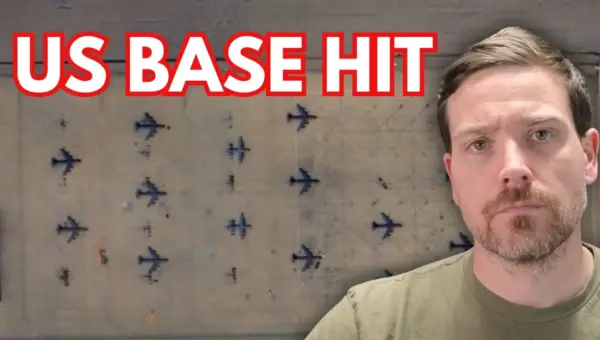
Iran Strikes US Base: Are We Learning from Mistakes?
A recent Iranian drone and missile attack wounded American service members and damaged aircraft in Saudi Arabia. This incident highlights concerns about military preparedness and the failure to learn from past mistakes, as exposed aircraft remain vulnerable targets. The ongoing conflict involves complex regional dynamics, including Iran's missile capabilities and the potential involvement of groups like the Houthis, raising questions about future stability.