Trump’s Iran Strikes Lack European Allies’ Backing Amid Escalation
President Trump's recent strikes on Iran have met with a notable lack of support from key European allies, highlighting a growing transatlantic rift. As the conflict escalates with Iranian retaliation, questions linger about the sustainability of the US strategy and the stability of the Iranian regime.

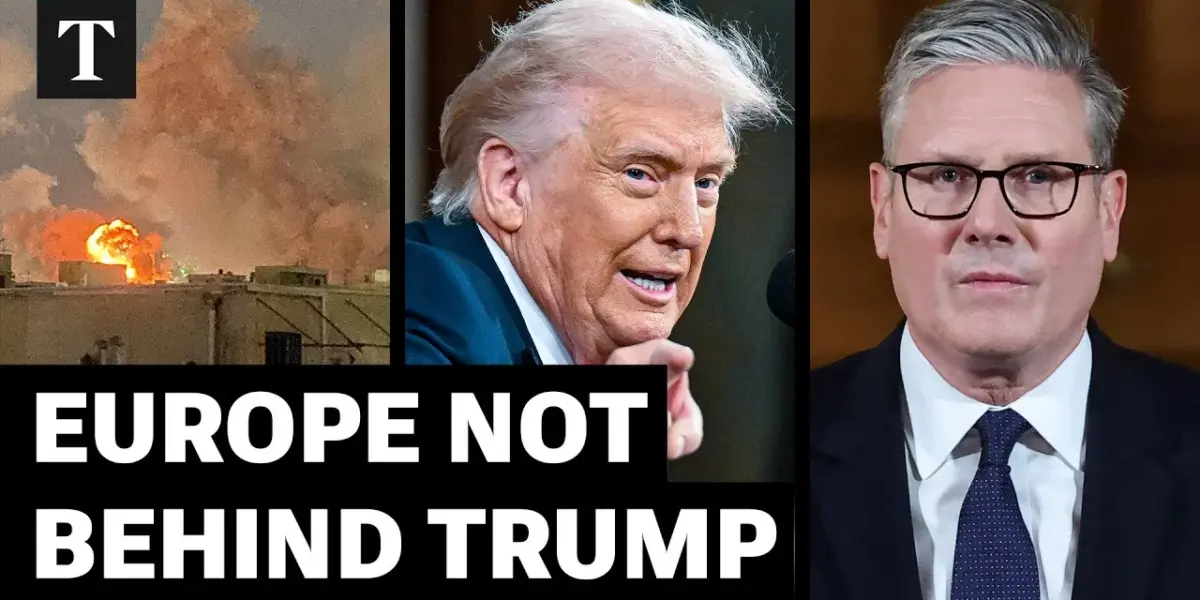
US-Iran Tensions Flare: European Allies Hesitate as Conflict Widens
In the wake of unprecedented air strikes targeting Iran, a significant rift has emerged between the United States and its key European allies, with several nations expressing a clear lack of support for the military action. The conflict, which began as a US-Israeli operation, has rapidly escalated, drawing in regional players and leading to casualties on both sides. While President Donald Trump has characterized the situation as progressing “ahead of schedule,” the international response suggests a more complex and potentially prolonged engagement than initially anticipated.
Regional Retaliation and Shifting Alliances
Following the initial strikes, Iran retaliated with air attacks against American allies in the Persian Gulf. The ensuing escalation saw several US fighter planes crash in Kuwait, with their crews surviving, but the United States has confirmed the deaths of at least three service personnel. The scope of Iran’s retaliation, extending to countries in close proximity like the UAE, has not surprised defense analysts. Michael Evans, former defense editor of The Times, noted, “The Iranians, in their planning for retaliation, have gone for the countries where US troops are based and where there are US aircraft. It’s the closest, if you like, targets for them.”
“I think we are set for a war that will last a few weeks, several weeks.”
– Michael Evans, Former Defense Editor, The Times
The UK’s position has been notably cautious. Initially, the British government refused to confirm whether it supported the US action or would allow the use of British air bases for launching attacks. However, this stance shifted after an Iranian drone struck an RAF base in Cyprus. British Defense Secretary Kustama stated, “We have taken the decision to accept this request to prevent Iran firing missiles across the region, killing innocent civilians, putting British lives at risk, and hitting countries that have not been involved.” The justification was based on “collective self-defense of long-standing friends and allies and protecting British lives.”
Uncertainty Over Iran’s Internal Response and Regime Stability
The internal situation within Iran following the strikes remains opaque. Analysts are divided on the potential for internal dissent or uprising against the regime. “It seems plausible at least that what he had hoped for was that a decapitation of the regime would lead to some kind of uprising on the ground that would do the rest of the work for him,” one observer noted. However, Evans expressed skepticism, stating, “I think most unlikely. I think the poor Iranian people having lost thousands and thousands of people of their own people during those protests in January, I think it’s highly unlikely that they’re going to feel either the motivation or the courage to come forward now and start protesting in the streets.”
Despite the reported killing of the head of the regime and some associates in the initial strikes, the broader regime structure appears to remain intact. “The regime as such continues. There are key people who have remained who are controlling the retaliation to the attacks by America and Israel. And I think the regime will do its best to survive,” Evans added. This resilience of the regime poses a significant challenge for President Trump, potentially prolonging the conflict beyond his initial expectations.
Navigating Defensive vs. Offensive Actions
A key point of contention has been the distinction between defensive and offensive military actions, particularly concerning the use of British bases. Kustama’s approval for the use of British bases was explicitly limited to “defensive strikes” aimed at neutralizing Iranian missile batteries and launchers targeting regional states and Cyprus. “It’s a very keen distinction and it’s one that might get a little bit foggy when the attacks actually happen,” Evans cautioned.
The broader question of European support for US actions in Iran remains a significant concern. “Does Trump have the support of America’s European allies for the attacks on Iran? And I guess the answer is they don’t,” Evans concluded. This lack of unified support underscores a growing divergence in foreign policy approaches between the US and its traditional European partners.
France’s Nuclear Ambitions and European Deterrence
Amidst the escalating Middle East crisis, French President Emmanuel Macron has reignited discussions about European strategic autonomy, particularly concerning nuclear deterrence. France is proposing to allow British observers to witness its nuclear exercises, signaling a move towards deeper cooperation. Macron intends to articulate in a speech that France’s nuclear arsenal could serve as a deterrent for other European nations, including Germany, Poland, and Sweden.
Evans commented on the feasibility of this proposal: “I think it’s perfectly sensible and prudent to have these discussions, but they have, by the way, been going on for an awful long time.” However, he expressed doubts about France and Britain’s capacity to replace the American nuclear umbrella for all of Europe. “I don’t think that is either practical or sensible. Neither France nor Britain have the sort of apparatus now – I’m talking about early warning systems and satellites etcetera – to cover that sort of responsibility.” He further noted the limited timeframe of Macron’s presidency and the potential for political shifts.
Looking Ahead: A Protracted Conflict?
The coming weeks will be critical in determining the trajectory of the conflict. The extent to which European nations can reconcile their differing approaches to the Iran crisis, alongside the ongoing strategic discussions about European defense, will be closely watched. The resilience of the Iranian regime and the potential for further escalation or de-escalation will heavily influence regional stability and global security dynamics.
Source: Trump ‘Doesn’t Have’ European Support Concerning Iran Strikes (YouTube)

Related Articles
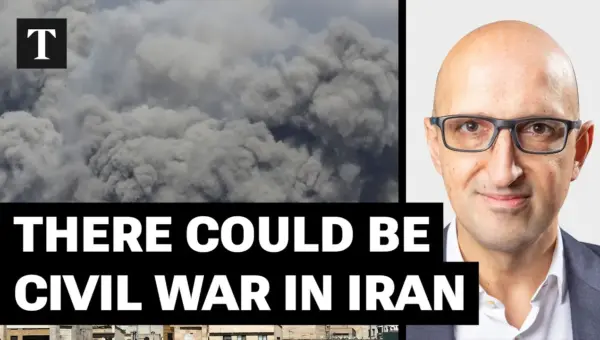
Syed Questions Trump’s Iran Strategy Amidst Global Instability
Journalist Matthew Syed voiced strong concerns about the lack of a clear aftermath plan for potential US military action against Iran under President Trump. He argued that such a move, without strategic foresight, risks engulfing the Middle East in chaos and creating unintended consequences for the Western alliance.

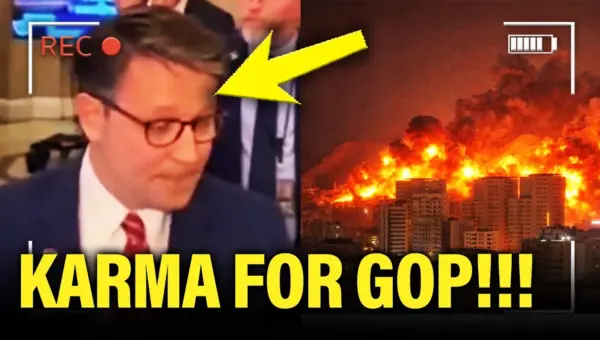
Trump’s Iran War: Public Outcry Meets GOP Defense
A new poll shows low public support for U.S. military action in Iran, fueling a debate over whether these are "strategic strikes" or an "unlawful war." Congressional efforts to assert oversight face strong Republican opposition, exposing deep partisan divides on presidential war powers and the justification for conflict.

Ex-IDF Officer: Air Strikes Target Iran’s Military Backbone
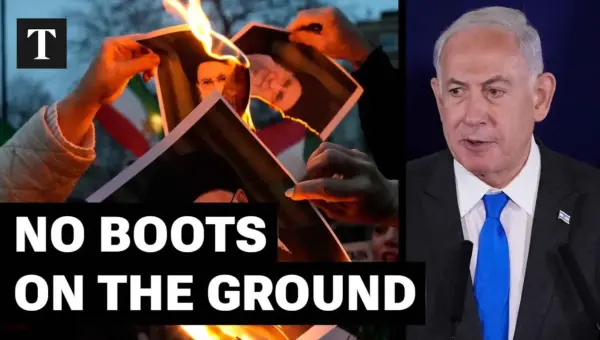
A former IDF Colonel emphasizes that foreign boots on the ground won't change Iran's regime, but air strikes are crucial for dismantling its military capabilities. The ongoing conflict sees escalating attacks and a broad consensus in Israel supporting defensive measures.