Trump’s Iran Strike: A Risky Gambit Provokes Retaliation
President Trump's decision to strike Iran raises serious questions about constitutional authority, diplomatic missteps, and potential diversion tactics. The move risks escalating regional conflict and carries a history of unintended consequences from regime change efforts.

Trump’s Iran Strike: A Risky Gambit Provokes Retaliation
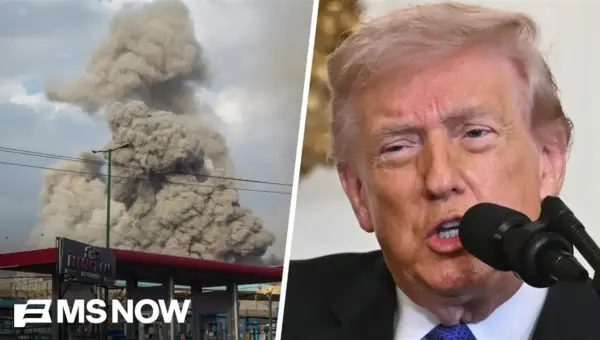
The recent US-led military actions against Iran, ostensibly targeting a key leader, have ignited a firestorm of debate and concern, raising profound questions about presidential authority, geopolitical strategy, and the unintended consequences of escalating international conflict. Amidst retaliatory strikes and a palpable sense of unease within military and intelligence circles, the situation underscores the precariousness of unilateral foreign policy decisions and the complex web of alliances and rivalries in the Middle East.
Constitutional Concerns and Broken Promises
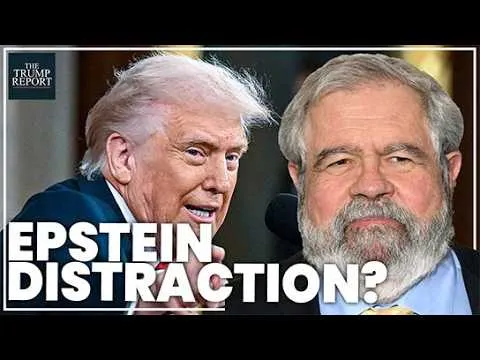
At the heart of the controversy lies a fundamental challenge to the U.S. Constitution, which vests the sole power to declare war in Congress. While Congress has granted presidents limited authority for the use of military force, particularly in defensive measures, the recent actions against Iran are viewed by some as a significant overreach. Professor David K. Johnston, a distinguished journalist and author specializing in Donald Trump’s presidency, emphasizes this point, stating, “First and foremost, the American Constitution vests in Congress alone the power to go to war.” He further notes that there was “no immediate threat to the United States from anything the Iranians are doing,” casting doubt on the justification for such aggressive action.
Adding to the critique is the perceived betrayal of Trump’s own campaign promises. He repeatedly positioned himself as the “peace president,” vowing to avoid war with Iran and criticizing his opponents for potentially leading the nation into such a conflict. Johnston highlights this apparent contradiction: “So complete violation of that principle.” This pivot from a platform of non-intervention to one of direct military engagement has left many questioning the consistency and motivations behind the recent escalation.
Historical Parallels and Unintended Consequences
The strategy of regime change, often employed by the U.S. in its foreign policy, has a checkered and frequently unsuccessful history. Johnston draws parallels to past interventions, citing failures in Haiti, Afghanistan, and Iraq, and noting that in Venezuela, “the same group are still in power; we just removed the president Maduro.” The argument is that imposing democracy or desired political outcomes through military force often leads to prolonged instability and unforeseen negative repercussions.
Furthermore, the act of eliminating a foreign leader, while achieving a tactical objective, carries significant strategic risks. “Throwing a head of state is something you just don’t do for several reasons. One of which is you put a target on your own head of state,” Johnston warns. This sentiment is echoed by the concern that the Iranian military is now actively planning retaliation against U.S. leadership, creating a cycle of violence that could prove difficult to contain.
The Illusion of Stability and the Bench Strength of Theocracy
While the Iranian regime has been criticized for its internal repression, including the violent suppression of protests, Johnston cautions against assuming that its removal would automatically lead to a more stable or democratic outcome. He argues that the Iranian regime, despite its brutality, maintains an “absolute monopoly on violence” and that there is no clear indication of a viable internal movement to replace it. The idea that removing current leaders would usher in an era of freedom is challenged by the historical precedent of interventions leading to power vacuums and further conflict.
The notion that the strike eliminated potential successors, thereby weakening the theocracy, is also met with skepticism. Johnston suggests that Iran possesses “plenty of bench strength to establish a new and renewed theocracy.” The danger, he posits, lies in the unknown: “the devil you don’t know may be worse than the devil you did know.” The potential emergence of a less sophisticated or more brutal leader, unburdened by the current regime’s established, albeit flawed, diplomatic considerations, presents a significant risk.
A Diplomatic Off-Ramp Ignored?
Crucially, the timing of the military action raises questions about missed diplomatic opportunities. Johnston reveals that less than 24 hours before the strikes, Iranian negotiators in Geneva had offered the U.S. a deal that was reportedly more favorable than the 2015 Iran nuclear deal. This offer included significant limitations on nuclear enrichment and concessions to American oil companies. The fact that this diplomatic avenue was seemingly bypassed in favor of military action suggests a preference for force over negotiation, sending a chilling message to potential adversaries that engaging with the U.S. may be futile.
Internal Dissent and Strategic Blind Spots
Reports from within the Pentagon and the Trump administration suggest deepening concerns about the conflict spiraling out of control. Anxiety over the potential for prolonged fighting, the depletion of critical U.S. air defense stockpiles, and the broader implications for regional stability are widespread. The comment that “I don’t often think people have fully absorbed it yet” regarding the strain on military resources underscores the gravity of the situation.
This concern is amplified by the alleged dismantling of experienced diplomatic and military teams that possessed deep knowledge of Iran. Johnston states, “they fired many of the most sophisticated diplomats and military people who have studied Iran, who have contacts with Iranians, both openly and back channel.” This depletion of expertise, coupled with what is described as Trump’s “appallingly ignorant” understanding of the region’s complex sectarian divides (Sunni vs. Shia), leaves the U.S. in a strategically vulnerable position.
Distraction and Diversion Tactics
A significant, and perhaps cynical, interpretation of the timing of the Iran strikes is their potential role as a diversionary tactic. With damning information emerging from the Epstein files, which could have serious implications for Trump, the escalation in Iran has effectively shifted the media spotlight. Johnston observes, “Epstein is not on the front page of the New York Times today. Iran is.” This strategic pivot, if intentional, highlights a pattern of using foreign policy crises to manage domestic political narratives and distract from potentially damaging revelations.
Why This Matters
The events surrounding the U.S. military actions against Iran serve as a stark reminder of the immense power and responsibility wielded by heads of state. The decision to engage in military conflict carries profound consequences, not only for the nations directly involved but for global stability. This situation highlights:
- The importance of constitutional checks and balances: The debate over congressional authorization for war is paramount in a democratic society.
- The dangers of unilateralism: Relying solely on presidential authority for major military decisions can lead to strategic miscalculations and international isolation.
- The unpredictable nature of conflict: Military actions, even those intended to be decisive, can have unforeseen ripple effects, potentially drawing in other regional actors and exacerbating existing tensions.
- The critical role of diplomacy: The apparent dismissal of a last-minute diplomatic offer underscores the need to prioritize negotiation and de-escalation, even in high-stakes situations.
- The weaponization of foreign policy for domestic gain: The potential for using international crises to distract from domestic political challenges raises ethical and strategic concerns.
Implications, Trends, and Future Outlook
The current trajectory suggests a heightened risk of further escalation in the Middle East. The depletion of U.S. military resources, particularly missile interceptors, could embolden adversaries like China to consider actions against Taiwan. The potential for conflict to spread to southern Lebanon, involving Hezbollah, and the impact on global oil prices are significant concerns.
The U.S.’s inconsistent application of foreign policy standards—targeting Iran while cooperating with nations like Saudi Arabia, despite human rights abuses—further complicates regional dynamics and undermines U.S. credibility. The unintended consequence of fostering closer ties between Russia and Iran, driven by poorly conceived U.S. diplomatic actions, also presents a strategic challenge.
Looking ahead, the situation demands careful de-escalation, a renewed commitment to diplomatic engagement, and a clear understanding of the long-term consequences of military intervention. The need for informed leadership, grounded in a deep understanding of regional complexities rather than short-term political calculations, has never been more critical.
Historical Context and Background
The current tensions in the Middle East are rooted in decades of complex geopolitical maneuvering, including the U.S.-backed overthrow of Iran’s democratically elected Prime Minister in 1953, the subsequent installation of the Shah, and the Iranian Revolution of 1979. The ongoing rivalry between Iran and its Sunni Arab neighbors, particularly Saudi Arabia, fueled by sectarian differences and proxy conflicts, further exacerbates regional instability.
The U.S. has historically played a significant role in the region, often through military alliances and interventions aimed at securing energy interests and countering perceived threats. However, these interventions have frequently led to unintended consequences, including the rise of extremist groups and prolonged periods of instability, as seen in Afghanistan and Iraq. The current situation represents another chapter in this long and often turbulent history of U.S. involvement in the Middle East.
Source: Trump just put a ‘target’ on his head | David Cay Johnston (YouTube)

Related Articles

Germany’s China Gamble: A Self-Inflicted Economic Catastrophe?
Germany's deep economic ties with China are increasingly viewed as a critical vulnerability. Despite recognizing China as a "systemic rival," the country's actions suggest a continued, potentially self-destructive, reliance on the Chinese market and supply chains, leading to job losses and a widening trade deficit.

Trump’s Drapes Distract from Deadly Iran Conflict
Presidential priorities appear to be dangerously skewed, with a focus on trivial matters like drapes overshadowing the deadly consequences of military actions in Iran. This analysis delves into the perceived chaos and lack of accountability in recent foreign policy decisions.
Trump Hints at Escalation: ‘The Big One Is Coming Soon’
President Trump's recent remarks about an impending major escalation with Iran, stating "The big one is coming soon," have been met with confusion due to inconsistent messaging from his administration. Conflicting narratives on regime change and the immediacy of threats, coupled with reports of diplomatic overtures and regional instability, leave a cloud of uncertainty over the escalating conflict.